
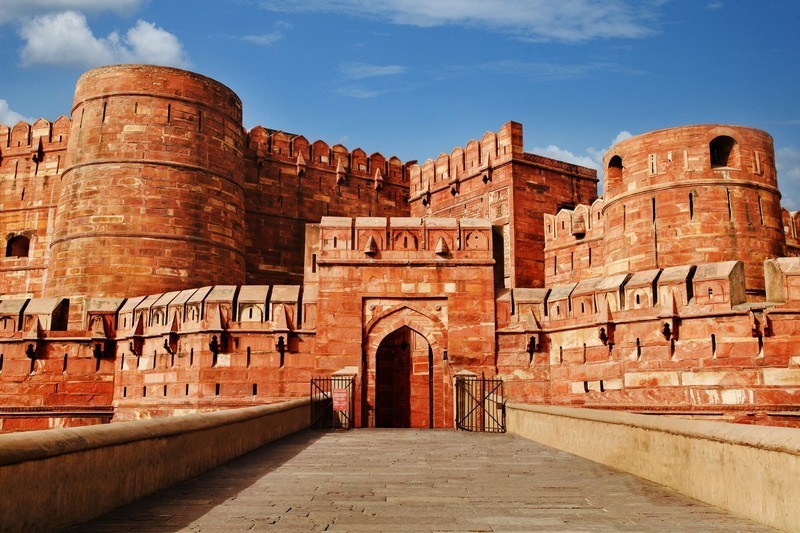
The success of the Ghurid military expansion into Northern India (1175–1206 CE) was fundamentally rooted in the superior mobility, training, and tactical flexibility of their cavalry. Unlike the Indian military systems of the 12th century, which prioritized heavy infantry and slow-moving elephant corps, the Ghurids utilized the Central Asian doctrine of highly mobile horse archers.
Evolution of Mounted Archery
Mounted archery was the cornerstone of the Ghurid tactical advantage, allowing their forces to dominate the battlefield without engaging in direct melee combat.
- The Ghurid horse archers were capable of firing arrows with high accuracy while their mounts were at a full gallop.
- This tactic allowed them to maintain a constant distance from the enemy, effectively thinning the ranks of Indian infantry and cavalry while remaining safely out of range of counter-attacks.
- The use of the composite bow, which possessed higher tensile strength and range, enabled Ghurid archers to inflict damage from distances that rendered traditional Indian defensive formations obsolete.
- The archers were trained to move in rotating files, ensuring a continuous barrage of projectiles that prevented the enemy from reorganizing or advancing.
Integration of Technological Advancements
The Ghurid cavalry benefited from specific technological innovations that were largely absent or underdeveloped in contemporary Indian military equipment.
- Iron Stirrups: The adoption of the iron stirrup provided Ghurid cavalrymen with a stable platform, allowing them to remain balanced during rapid maneuvers and to deliver strikes with significantly greater force.
- Horseshoes: The widespread use of iron horseshoes enabled the Ghurid mounts to traverse diverse terrains—including the rocky paths of the Hindu Kush and the soft soil of the Gangetic plains—without suffering hoof degradation, thus ensuring endurance during long-distance campaigns.
- Saddle Design: The specialized Central Asian saddle provided both comfort for the rider and stability, essential for the high-speed lateral and vertical movements required during mounted combat.
Tactical Maneuvers: The Feigned Retreat
The Ghurid military utilized advanced psychological and tactical maneuvers, most notably the feigned retreat, to exploit the lack of command cohesion in Indian armies.
- Execution: The Ghurid cavalry would initiate a simulated withdrawal, creating the appearance of a panic-stricken retreat.
- Luring the Enemy: When the Indian forces, often eager to secure a victory, broke their defensive lines to pursue the retreating Ghurids, the Ghurid forces would suddenly wheel around.
- Counter-Attack: The pursuit would leave the Indian army overextended and disorganized, allowing the Ghurid heavy cavalry reserves to strike the exposed flanks and rear, typically leading to the complete collapse of the enemy formation.
Comparative Analysis: Ghurid vs. Indian Military Doctrine
| Feature | Ghurid Cavalry Model | Indian Regional Model (Rajput/Sena) |
| Primary Tactical Unit | Light Horse Archer | Static Heavy Infantry |
| Maneuverability | High; fluid and mobile | Low; confined to rigid formations |
| Weaponry Focus | Composite bow and lance | Swords, spears, and maces |
| Battlefield Role | Harassment and breaking lines | Defensive holding and elephant shock |
| Mobility Source | Constant cavalry replenishment | Site-bound local recruitment |
Strategic Role of the Elephant Corps in India
Indian military success historically relied on the war elephant as both a command platform and a shock-weapon. The Ghurids systematically neutralized this advantage through the following methods:
- Flanking: Ghurid horse archers would encircle the elephant units, firing arrows into the animals’ eyes and trunk areas.
- Creating Panic: Once the elephants were wounded, they would often turn in terror, trampling their own infantry in the ensuing chaos.
- Lack of Counter-Measures: Indian armies struggled to provide adequate protection for their elephants against the high-mobility, long-range fire of the Turkish archers.
Logistical and Intelligence Superiority
The efficiency of the Ghurid cavalry was sustained by a sophisticated logistical and intelligence network.
- Intelligence: Before engaging, Ghurid commanders utilized extensive scout networks to map terrain and identify the command structure of the opposing Rajput or Sena forces.
- Desert Transit: The Ghurids demonstrated their ability to traverse challenging geographies, such as the Thar Desert, by carrying pre-planned water supplies and using specialized animal transport, a logistical feat that contemporary Indian rulers deemed impossible.
- Professional Training: Soldiers were trained in centralized camps in Ghazni and Ghor. Unlike the hereditary warriors of the Indian feudal system, Ghurid soldiers were professional Mamluks whose primary role was military expertise, leading to high levels of battlefield discipline and coordinated movement.