
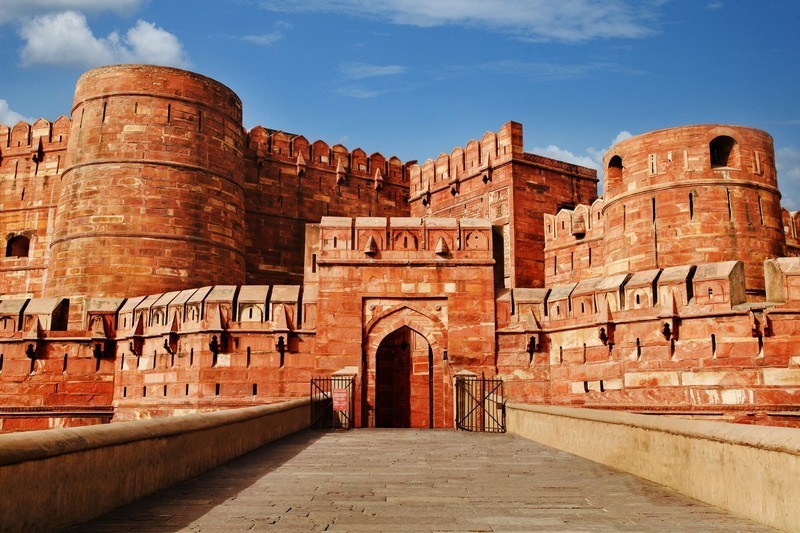
The transition from the Mamluk (Slave) Dynasty to the Khalji Dynasty in 1290 marks a watershed moment in the history of the Delhi Sultanate. This political shift, known as the “Khalji Revolution,” signified the end of the dominance of the Ilbari Turks and the rise of a new ruling class that was more inclusive of Indian Muslims and diverse ethnic groups.
Factors Leading to the Decline of the Mamluk Dynasty
The Mamluk Dynasty entered a phase of rapid decay following the death of Ghiyas-ud-din Balban in 1287. The centralized, autocratic structure he built could not be sustained by his successors, who lacked his administrative rigor and military command.
- Weak Succession: Balban’s grandson, Muiz-ud-din Kaiqubad, who succeeded him, was largely incompetent and prone to luxury, which led to a breakdown in law and order in Delhi.
- Collapse of Authority: The rigid exclusionary policies of Balban had alienated many sections of the nobility, and the lack of a strong central figure caused these factions to assert their independence.
- Administrative Paralysis: The intelligence network (Barids) and the military department (Diwan-i-Arz) created by Balban became defunct, allowing regional governors and ambitious nobles to consolidate local power.
- Rise of New Factions: The monopoly held by the Ilbari Turkish nobility was challenged by the emergence of the Khalji tribe, who had gained prominence through their military contributions during the wars against the Mongols.
Jalal-ud-din Khalji and the Coup of 1290
Jalal-ud-din Firuz Khalji, an aged and experienced commander who had served as the governor of Samana and Ariz-i-Mamalik, capitalized on the political vacuum in Delhi.
- The Assassination: Taking advantage of the ailing condition of Kaiqubad and the subsequent murder of his infant son, Kaimurs, Jalal-ud-din moved into Delhi to claim the throne.
- The Khalji Revolution: Historians characterize this transition as a revolution because it broke the monopoly of the Turkish nobility over high offices. The Khaljis were of Turko-Afghan origin and were perceived as “outsiders” by the established Turkish elite.
- Consolidation: Jalal-ud-din initially ruled from the Kilokhri palace, a new center of administration, to distance himself from the traditionalists in Delhi who remained loyal to the memory of Balban.
Comparison of Administrative Transitions
| Feature | Mamluk Dynasty | Khalji Dynasty |
| Ruling Elite | Exclusive Ilbari Turkish Nobility | Diverse group including Khaljis and Indian Muslims |
| Political Base | Tribal loyalty and slave-soldier hierarchy | Meritocratic and military-based administration |
| Policy Focus | Stabilization and defensive consolidation | Aggressive expansion and economic regulation |
| Geographical Reach | Focused on the Gangetic plains and Punjab | Expansion into Central and Southern India |
Key Differences in Political Outlook
The Khalji transition represented a shift toward a more expansive and pragmatic style of government compared to the rigid, ceremonious rule of the late Mamluks.
- Inclusive Governance: Unlike the Mamluk practice of excluding “low-born” individuals, the Khaljis were more willing to appoint officials based on military and administrative competence rather than pedigree.
- Military Strategy: While the Mamluks, specifically Balban, focused on defensive fortification against the Mongols, the Khaljis moved toward a forward-defense and expansionist strategy that paved the way for the conquest of the Deccan.
- Shift in Power Centers: The relocation of the royal court by Jalal-ud-din signaled a symbolic break from the conservative traditions of the earlier Sultanate and the beginning of a more urbanized, centralized administration centered around the ruler’s military camp.
Significance of the Transition for UPSC
- End of Ilbari Dominance: The 1290 coup finalized the decline of the Turkish slave-officers who had acted as kingmakers for nearly eight decades.
- Socio-Political Inclusion: The rise of the Khaljis integrated various non-Turkish Muslim groups into the power structure of the Sultanate, broadening the base of the ruling class.
- Precursor to Imperialism: The transition laid the foundation for the imperialist policies of Ala-ud-din Khalji, which saw the Sultanate expand across the majority of the Indian subcontinent, marking the first time in the medieval era that a Sultan asserted control over the deep south.
- Historical Perspective: The event is famously chronicled by Ziauddin Barani in Tarikh-i-Firoz Shahi, who viewed the change as a turning point that moved the Sultanate away from the old, aristocratic order toward a more pragmatic, militarized state.