
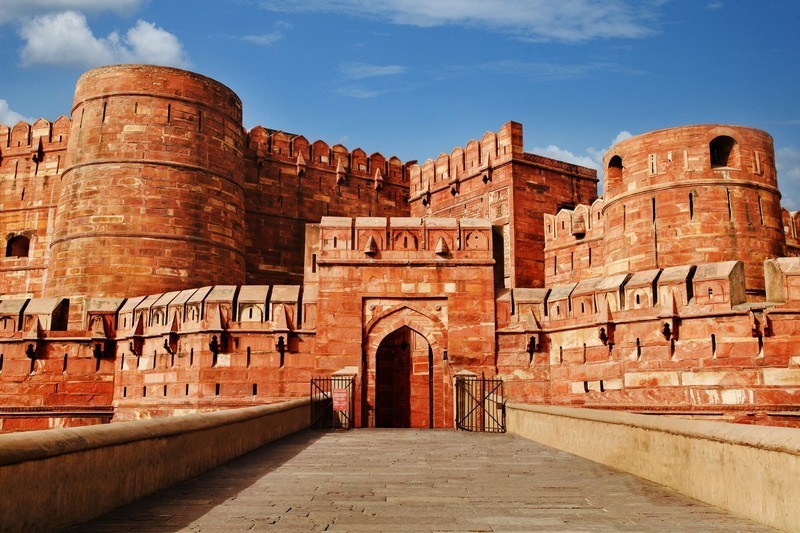
The military organization during the Sayyid (1414–1451) and Lodi (1451–1526) periods underwent a significant shift from the centralized, professional standing armies of the early Sultanate to a decentralized, feudalized tribal structure. This evolution was primarily driven by the need for regional autonomy and the tribal governance model favored by the Afghan ruling class.
Military Organization under the Sayyid Dynasty
The Sayyid rulers inherited a weakened military apparatus following Timur’s invasion in 1398. Their military capability was hampered by limited resources and constant internal instability.
- Tribal and Feudal Levies: The Sultanate relied heavily on military contingents provided by regional governors and local chieftains. There was no large-scale, state-funded standing army.
- Regional Dependence: The military was largely focused on local pacification within the Doab and Punjab rather than large-scale imperial expansion.
- Lack of Standardization: Due to the lack of central authority, there was no uniform training or armament for the troops, leading to significant variations in military quality across different provincial commands.
Military Structure under the Lodi Dynasty
The Lodi dynasty introduced an Afghan-centric military model, which functioned as a confederation of tribal armies.
- Afghan Tribal Contingents: The military core consisted of Afghan tribal levies provided by the nobility. Each noble held an Iqta and was responsible for maintaining a specified number of soldiers from that territory.
- The Role of Iqta-holders: The Iqta system served as the primary mechanism for military recruitment. Nobles were expected to provide military service in exchange for land revenue, which linked the military structure directly to the agrarian economy.
- Focus on Cavalry: The Lodi army, like its predecessors, remained primarily cavalry-based. Mobility and shock tactics were the standard features of battlefield engagement.
- Lack of Centralized Control: The Sultan’s military authority was always precarious, as it depended on the continued loyalty of the Afghan tribal chiefs. This created a fragmented chain of command that proved disastrous during crises.
Military Technological and Tactical Limitations
The late Sultanate military forces faced significant challenges in adapting to the changing nature of warfare in the 15th and 16th centuries.
- Absence of Gunpowder Artillery: Unlike the contemporary Mughal forces, the Lodi army failed to integrate gunpowder, field artillery, and matchlocks into their standard tactical formations.
- Rigid Battle Formations: The Lodi military adhered to traditional, dense infantry and cavalry formations. These proved highly vulnerable to the mobile, encirclement, and artillery-led tactics employed by Babur.
- Reliance on War Elephants: While war elephants remained a prominent feature of the Sultanate army, they were increasingly ineffective against disciplined artillery and fire-based defensive measures.
Comparison of Sultanate Military Models
| Military Feature | Early Sultanate (Khalji/Tughlaq) | Late Sultanate (Sayyid/Lodi) |
| Recruitment Basis | Professional standing army (State-paid) | Feudal levies (Afghan tribal contingents) |
| Command Structure | Centralized (Sultan-controlled) | Decentralized (Noble-controlled) |
| Primary Tactical Focus | Imperial expansion | Local pacification and defense |
| Technology Integration | Minimal | Negligible (Failure to adopt artillery) |
Factors Contributing to Military Decline
The disintegration of the Sultanate’s military power was caused by a combination of structural and strategic failures.
- Fragmentation of Command: The tribal loyalty of the soldiers to their specific clan heads superseded their allegiance to the Sultan, preventing the formation of a unified military front.
- Financial Fragility: Because the revenue was tied to non-transferable tribal land grants, the central treasury lacked the liquid capital required to procure modern weapons or pay professional soldiers.
- Strategic Isolation: The loss of control over the Deccan, Bengal, and Gujarat meant that the Sultanate was cut off from the main supply lines of military resources and skilled personnel.
- Internal Betrayal: The conflict between the Sultan and the nobility often led to military non-cooperation. Key commanders, such as Daulat Khan Lodi, actively undermined the state’s military defense by aligning with foreign invaders.
The Failure at Panipat (1526)
The First Battle of Panipat exposed the terminal decline of the Lodi military structure.
- Babur’s Tactics: Babur utilized the Tulugma (encircling) tactic, which overwhelmed the Lodi forces from the flanks while pinning them in the center with artillery fire.
- Lodi Tactical Failure: The Lodi army’s inability to respond to field artillery and mobile maneuver warfare demonstrated the obsolescence of their tribal military system.
- End of an Era: The death of Ibrahim Lodi on the battlefield, alongside a significant portion of his high-ranking nobility, signaled the permanent destruction of the Sultanate’s military potential.