
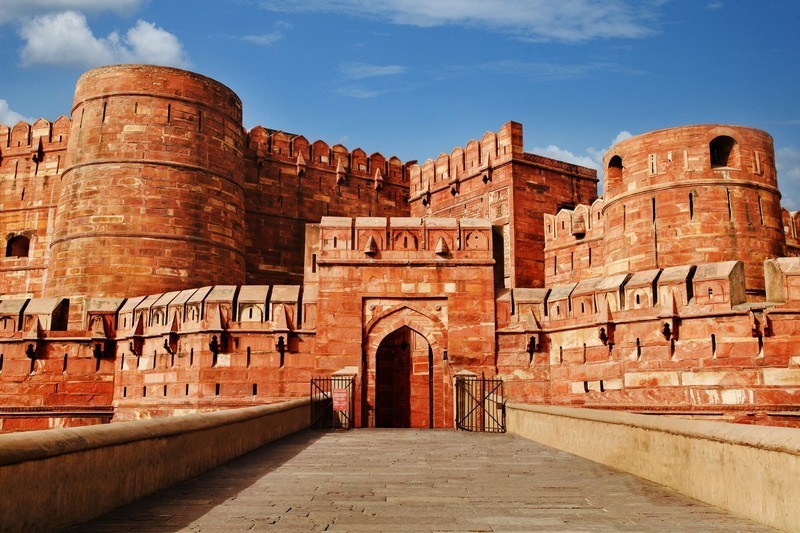
The transition from the Sayyid to the Lodi dynasty (1451–1526 AD) introduced a distinct political framework in the Delhi Sultanate. Unlike the centralized, autocratic Turkish models of the Khaljis and Tughlaqs, the Lodi polity was rooted in Afghan tribal traditions. This structure prioritized the consensus of tribal chiefs over the absolute authority of the Sultan, fundamentally altering the relationship between the crown and the nobility.
Core Principles of Afghan Tribal Governance
The Afghan nobility functioned under a decentralized framework that sought to balance the Sultan’s authority with the autonomy of tribal leaders.
- Masnad-i-Ali: Bahlul Lodi, the founder, adopted the title of Masnad-i-Ali, meaning “first among equals.” He famously sat on a carpet rather than a throne to emphasize that he was a leader of peers rather than an absolute monarch.
- Iqta System Integration: The empire was administered through extensive land grants (Iqtas). Tribal leaders were granted significant regional autonomy in exchange for military contingents and occasional tribute, which decentralized economic and military power.
- Consultative Decision Making: Strategic policies and military campaigns were often discussed in councils comprising powerful Afghan tribal chiefs, rather than being dictated solely by the Sultan.
- Tribal Factionalism: The system relied on the loyalty of various Afghan clans (such as the Lodi, Nuhani, and Farmuli). This structure made the Sultanate’s stability directly proportional to the Sultan’s ability to manage clan interests and rivalries.
Evolution of Nobility Dynamics under Sikandar Lodi
Sikandar Lodi (1489–1517 AD) recognized the limitations of a purely consultative tribal model and sought to impose greater discipline on the Afghan nobility without triggering a direct revolt.
- Centralized Oversight: He introduced the Gaj-i-Sikandari for standardized land measurement. This removed the ability of tribal nobles to arbitrarily adjust revenue demands, thereby tightening the state’s grip on fiscal administration.
- Espionage and Intelligence: To counter the independent nature of the tribal chiefs, Sikandar Lodi maintained a sophisticated network of spies and informants to monitor the nobility’s loyalty.
- Shifting the Capital: The move from Delhi to Agra in 1504 AD was a strategic attempt to distance the crown from the traditional, entrenched power bases of the Delhi-based nobility, allowing for more direct administrative control over the Doab and Rajput regions.
Ibrahim Lodi and the Break with Tribal Tradition
The eventual collapse of the Lodi dynasty was driven by Ibrahim Lodi’s (1517–1526 AD) fundamental rejection of the Afghan tribal political ethos in favor of absolute monarchy.
- Autocratic Reorientation: Ibrahim Lodi viewed the Afghan nobles as servants rather than partners. He openly stated that a king has no kinship, a direct affront to the tribal ethos where the Sultan was obligated to respect the status of his fellow chiefs.
- Elimination of Challenges: He utilized intimidation, imprisonment, and execution to deal with powerful nobles who resisted his centralization efforts. This alienated even the most loyal segments of the Afghan nobility.
- Erosion of Loyalty: By abandoning the consultative process, the Sultan severed the social contract that held the Afghan confederation together. This resulted in widespread disillusionment among key power players.
Factors Contributing to Sultanate Decline
The conflict between the Sultan and the Afghan nobility became the primary internal factor that rendered the state vulnerable to external collapse.
- Lack of Unified Command: Because the army was composed of feudal levies provided by tribal chiefs, the Sultan’s military authority was always contingent on the willingness of his nobles to participate.
- Internal Betrayal: The conflict reached its zenith when influential nobles, such as Daulat Khan Lodi (Governor of Punjab) and Alam Khan Lodi (the Sultan’s uncle), sought external intervention. They invited Babur, the ruler of Kabul, to displace Ibrahim Lodi, effectively ending the dynasty.
- Economic Decentralization: The Iqta-based system allowed tribal leaders to retain a significant portion of agrarian revenue. This weakened the central treasury’s ability to fund a professional, modernized standing army capable of resisting superior military technologies like field artillery.
- Military Incompatibility: The Afghan tribal structure was optimized for decentralized defense, not for coordinated resistance against the highly organized, gunpowder-based military tactics introduced by Babur.
Comparative Summary: Turkish vs. Afghan Noble Status
| Feature | Turkish Sultanate (Tughlaq/Khalji) | Lodi Afghan Polity |
| Sovereignty | Absolute, centralized autocracy. | Tribal, consultative, “first among equals.” |
| Status of Nobles | Servants of the Sultan (often slaves). | Tribal partners and peers of the Sultan. |
| Military Basis | State-paid, professional standing army. | Feudal levies from tribal fiefdoms. |
| Power Center | Direct royal appointments. | Distributed authority via Iqtas. |
| Loyalty Mechanism | Fear of state power and royal patronage. | Clan affiliation and tribal consensus. |
Historical Significance
The friction between the Lodi Sultans and their Afghan nobility highlights the inherent difficulty in maintaining a sprawling empire using a decentralized tribal governance model. The failure of Ibrahim Lodi to reconcile his imperial ambitions with the traditional rights of the Afghan nobility not only led to the downfall of the Lodi dynasty but also provided the necessary political fragmentation that enabled the Mughal conquest in 1526 AD.
Last Modified: June 20, 2026