
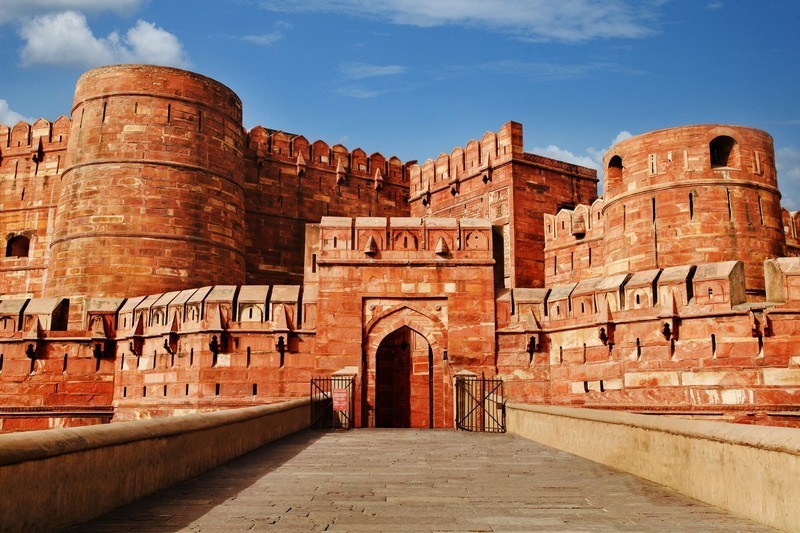
Sufism (Tasawwuf), the mystical and inner dimension of Islam, began entering the Indian subcontinent around the 11th century CE, gaining structural dominance during the Delhi Sultanate and Mughal eras. It transformed the socio-religious fabric of medieval India by offering an experiential alternative to orthodox scriptural legalism.
Core Theological Framework and Terminology
- Tawhid-i-Wujudi (Unity of Being): Formulated by Ibn al-Arabi, this doctrine posits that God and the creation are fundamentally one, sharing a non-dual reality that deeply resonated with Vedantic Monism (Advaita).
- Fana and Baqa: Fana denotes the spiritual annihilation of the human ego, while Baqa represents eternal subsistence or resurrection within the Divine Consciousness.
- The Mystical Path (Tariqa): Devotees progress through spiritual stages (Maqamat) and psychological states (Ahwal) under the absolute guidance of a spiritual preceptor (Pir, Murshid, or Sheikh).
- The Spiritual Bond: The disciple (Murid) binds themselves to the preceptor via an oath of allegiance (Bay’ah) to receive esoteric knowledge (Ma’rifat).
- Institutional Hubs: The center of Sufi life was the Khanqah (hospice) or Jama’at Khana (communal hall), which was maintained by state or public charity and managed by an appointed successor (Vali or Khalifa).
Classification and Typology of Sufi Orders
Sufi lineages were structurally classified into two broad categories based on their alignment with Islamic canonical law (Sharia).
Categorical Division of Orders
- Ba-Shara Orders: Lineages that strictly observed the external dictates of Islamic law (Sharia) while practicing inner mysticism. These included major institutional Silsilas (chains) such as the Chishti, Suhrawardi, Qadri, and Naqshbandi.
- Be-Shara Orders: Wandering dervishes, Qalandars, and Malangs who operated outside formal monastic networks. They rejected marital ties, property, and external legal codes, practicing extreme asceticism.
Structural Analysis of the Major Indian Silsilas
| Silsila (Order) | Indian Founder / Key Preceptor | Primary Regional Base | Theological Stance & State Relations |
| Chishti | Khwaja Moinuddin Chishti (d. 1236) | Ajmer, Delhi, Punjab, Deccan | Practiced Wahdat-ul-Wajood; maintained absolute aloofness from court politics; rejected state grants; adopted local Hindu musical traditions (Sama). |
| Suhrawardi | Bahauddin Zakariya (d. 1262) | Punjab, Multan, Sindh | Rejected poverty; actively accepted state appointments (Sheikh-ul-Islam) and land grants; held conservative views on scriptural implementation. |
| Qadri | Shah Niamatullah & Dara Shikoh | Punjab, Sindh, Uttar Pradesh | Moderately orthodox; emphasized charitable endowments; heavily patronized by the Mughal royalty during the 17th century. |
| Naqshbandi | Khwaja Baqi Billah & Sheikh Ahmad Sirhindi | Delhi, North India | Highly orthodox; fiercely rejected Wahdat-ul-Wajood in favor of Wahdat-ul-Shuhud (Unity of Witness); opposed musical innovations and Akbar’s syncretism. |
| Firdausi | Shaikh Sharfuddin Yahya Maneri | Bihar (Rajgir, Patna) | A specialized branch of the Suhrawardi order; left behind significant instructional letters (Maktubat) on ascetic discipline. |
Chronological Blueprint of Prominent Sufi Saints
The expansion of Sufism in India occurred via an unbroken chain of succession that systematically mapped spiritual geography across the subcontinent.
The Chishti Masters
- Khwaja Moinuddin Chishti: Established the order in Ajmer, Rajasthan, following the Ghorid conquests. His shrine, the Dargah Sharif, became the primary center of subcontinental pilgrimage.
- Qutbuddin Bakhtiyar Kaki: Brought the order to Delhi during the reign of Iltutmish; the Qutb Minar complex is structurally named to honor his memory.
- Baba Farid (Fariduddin Ganjshakar): Settled in Pakpattan (Punjab). He composed mystical poetry in the Punjabi language, expressing his deep devotion to God.
- Nizamuddin Auliya: Operated in Delhi through the reigns of seven Sultans while refusing to meet any of them. He popularized the concept of Mahbub-i-Ilahi (Beloved of God) and emphasized humanitarian service.
- Nasiruddin Chirag-i-Dehlvi: The last great master of the early Delhi Chishtis; he worked to reconcile Sufi ecstatic practices with orthodox legal scholarship.
- Gesudaraz (Banda Nawaz): Migrated to Gulbarga in the Deccan during the Tughlaq shifts, spreading Chishti thought into Southern India and pioneering literature in the Dakhni language.
Key Non-Chishti Preceptors
- Sheikh Ahmad Sirhindi: A prominent Naqshbandi saint who claimed the title of Mujaddid Alif Sani (Renover of the Second Millennium). He openly opposed the liberal religious policies of Mughal Emperors Akbar and Jahangir.
- Prince Dara Shikoh: The eldest son of Shah Jahan, initiated into the Qadri order by Mian Mir. He translated the Upanishads into Persian as Sirr-i-Akbar (The Great Secret) and authored Majma-ul-Bahrain (The Mingling of the Two Oceans) to prove the shared metaphysical foundations of Hinduism and Islam.
Socio-Cultural Syncretism with the Bhakti Movement
The interaction between Sufi Khanqahs and Bhakti institutions created a unique syncretic space that permanently altered medieval Indian society.
Epistemological Convergences
- The Guru-Pir Dynamic: The complete spiritual submission demanded by Bhakti saints toward their Guru structurally matched the Pir-Murid relationship of Sufi lineages.
- Bridal Mysticism: Sufis adopted the indigenous poetic device of representing the human soul as a longing wife (Virahini) and God as the divine husband, a direct inversion of classical Arab Sufi poetry where God is viewed as the beautiful mistress.
- The Nath Panthi Dialogues: Sufi masters engaged in continuous theological debates with Nath Jogis. The translation of the Sanskrit hatha-yoga text Amritakunda into Persian and Arabic (titled Hauz-al-Hayat) led to Sufis adopting yogic breath-control techniques (Pas-i-Anfas).
Impact on Indigenous Cults
- Satyapir Cult: Emerging in medieval Bengal, this folk movement blended the veneration of Islamic Sufi Pirs with Hindu deities (Satyanarayan), creating a shared, casteless platform for rural worship.
- The Sikh Scriptural Synthesis: Recognizing the spiritual harmony between the two movements, Guru Arjan Dev incorporated 112 couplets (Slokas) and 4 hymns of the Chishti saint Baba Farid directly into the Adi Granth (Guru Granth Sahib) in 1604 CE.
Impact on Art, Architecture, and Performing Arts
Sufi aesthetic sensibilities deeply influenced the artistic, musical, and architectural expressions of medieval India.
Evolution of Devotional Music
- Sama: Musical gatherings designed to trigger a state of spiritual ecstasy (Wajd).
- Qawwali: Formulated by Amir Khusrau (a disciple of Nizamuddin Auliya), this genre combined Indo-Persian melodic structures, rhythmic cycles (Talas), and mystical poetry, creating a distinct musical tradition.
- Ghazal and Kafi: Sufis used the Ghazal (short lyric poems) and the Punjabi Kafi (popularized by Bulleh Shah and Shah Hussain) to convey complex spiritual concepts through engaging folk melodies.
Architectural Footprints
- The Dargah Complex: The burial shrines of Sufi saints evolved into grand architectural complexes under state patronage. Key features included the Mazar (tomb chamber), Ibadat Khana (prayer halls), massive Buland Darwazas (gateways), and extensive Jali (intricate stone lattice screens) designed to filter light and create private spaces for meditation.
- Spatial Inclusivity: Unlike elite palaces, Khanqah architecture focused on open, central courtyards surrounded by small cells (Hujras), creating flexible public spaces where people of all castes and creeds could congregate freely.
Literary Revolution and Language Development
Sufi scholars discarded elite foreign languages to compose their works in regional tongues, driving a major literary renaissance across India.
Development of Vernacular Languages
- Hindavi and Khari Boli: Early Chishti saints utilized Hindavi (the precursor to modern Hindi and Urdu) to preach to local markets and agrarian communities, creating a shared vocabulary across religious divides.
- Dakhni Literature: In the Deccan, saints like Gesudaraz combined Arabic, Persian, and local Telugu/Kannada grammar patterns to form Dakhni, producing major texts like Mi’raj al-Ashiqin.
- The Punjabi Sufi Corpus: Poets like Baba Farid, Sultan Bahu, and Bulleh Shah established Punjabi as a serious literary medium, using metaphors drawn from rural spinning wheels (Charkha), rivers, and buffalo-herding.
Specialized Poetic Genres
- Premakhyans: Sufi allegorical love epics written in Awadhi verse. Towering examples include Malik Muhammad Jayasi’s Padmavat (1540 CE), Kutuban’s Mrigavati, and Manjhan’s Madhumalati. These works used local Rajput folklore to illustrate the soul’s painful quest to merge with the Divine.
- Maktubat Genre: The preservation of public and private letters written by Sufi masters (such as the Maktubat-i-Saddi of Sharafuddin Maneri) created a unique historical archive detailing medieval governance, economic strains, and spiritual counseling methodologies.
Technical, Technological, and Economic Intersections
Sufi networks played a vital role in the technical, agrarian, and economic developments of medieval India.
Urban Micro-Economies and Artisan Guilds
- The Futuh System: Khanqahs operated on Futuh (unsolicited charitable gifts). This capital was immediately redistributed daily to fund community kitchens, purchase grain, and patronize local oil-pressers, potters, weavers, and metal-smiths, stimulating local market economies.
- The Weaving Economy: The expansion of the Chishti order in urban centers coincided with the introduction of the treadle-powered spinning wheel and the cotton-carder’s bow. Sufi poems frequently used the technical steps of carding, spinning, and weaving to explain the internal process of purifying the human heart.
Agrarian Colonization and Hydraulic Advancements
- Clearing Arid Landscapes: In regions like Sindh, Punjab, and the Bengal delta, Sufi pioneers received waste land grants (Inam) from the state. They mobilized local tribes to clear forests and set up settled farming communities.
- Hydraulic Diffusion: To secure agriculture in these newly cleared lands, Sufi-led settlements oversaw the installation of the Persian Wheel (Saqia) for deep groundwater irrigation, turning arid frontier zones into highly productive rice and wheat belts.
Manuscript Proliferation and Document Preservation
- The Paper Revolution: The urgent need to record, duplicate, and distribute copies of Sufi Malfuzat (discourses) and Silsilah genealogies (Shajras) drove the growth of the manual paper-making industry.
- Ink and Binding Innovations: Scribes developed waterproof inks using iron dust and plant dyes. They adopted advanced leather bookbinding methods, using stamped geometric medallions to preserve extensive manuscript collections within monastic libraries.