
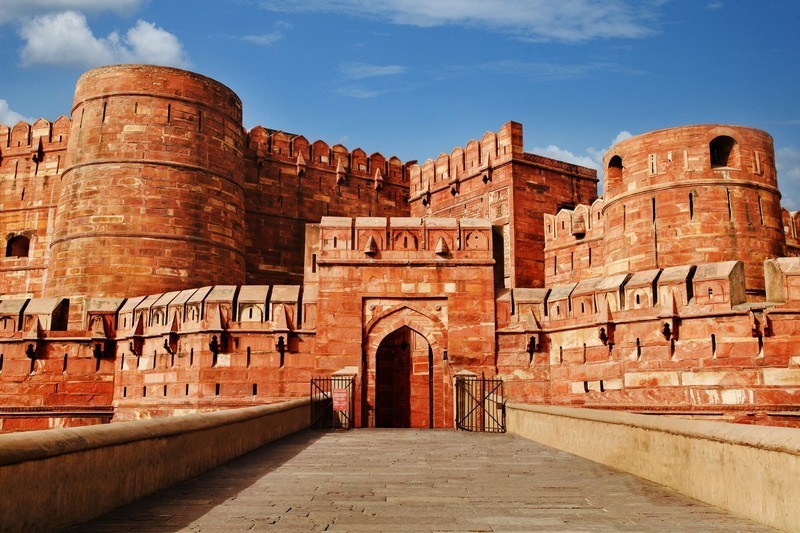
The Suryavamsi Gajapati Kingdom (1434–1541 CE) marked a critical era in medieval Indian history, characterized by intense military expansionism and centralized sovereign authority. The dynasty was founded by Kapilendra Deva in 1434 CE through a bloodless coup that overthrew Bhanudeva IV, the last weak monarch of the Eastern Ganga Dynasty. Kapilendra Deva claimed descent from the Suryavamsa (Solar Dynasty) to establish political legitimacy, replacing the lunar lineage of the Gangas. He assumed the title of “Gajapati” (Lord of the Elephants), reflecting the kingdom’s reliance on a formidable military corps of war elephants.
Geopolitical Scope Across Three Fronts
At its geographical zenith, the Gajapati Empire extended far beyond modern Odisha, encompassing a multi-regional territory that spanned from the lower Ganges (Ganga) in the north to the Kaveri River in the south. The empire successfully managed distinct geopolitical zones:
- Eastern Region (Coastal Core): The fertile deltas of Utkala and Kalinga along the Bay of Bengal served as the economic, agricultural, and cultural heartland of the empire.
- Western Region (Highland Buffer): The rugged, tribal-dominated terrains of Kosala, Jharkhand, and Gondwana formed a strategic shield against the Kalachuris and central Indian Sultanates.
- Frontier Regions (North and South): Highly volatile border zones where the Gajapatis directly contested territory with the Husain Shahi Sultanate of Bengal in the north, and the Bahmani Sultanate, Vijayanagara Empire, and Reddi kingdoms in the south.
Military Expansionism and Frontier Conflicts
Northern Campaigns in Bengal
Kapilendra Deva launched aggressive offensive campaigns against the Sultanate of Bengal. He defeated the forces of Sultan Nasiruddin Mahmud Shah and extended the Gajapati frontier up to the Bhagirathi River. To commemorate this victory over the Islamic forces of the north, he assumed the title of “Gaudesvara” (Lord of Gauda/Bengal). This northern frontier remained a zone of recurring conflict, later contested by Purushottama Deva and Prataparudra Deva against Sultan Alauddin Husain Shah.
Southern Conquests and the Vijayanagara Rivalry
The most intense frontier conflicts occurred in the south over the control of the fertile Krishna-Godavari delta and trading ports. Kapilendra Deva annexed the Reddi kingdoms of Rajahmundry and Kondavidu. His forces marched further south, capturing strategic fortresses like Udayagiri and Chandragiri, eventually occupying parts of the Tamil country up to Tiruchirappalli and the Kaveri basin. This brought the Gajapatis into direct, prolonged conflict with the Vijayanagara Empire under the Sangama and Saluva dynasties, and later under Krishnadevaraya of the Tuluva dynasty.
Western Campaigns and Tribal Integration
The western frontier was secured by subjugating the semi-autonomous chieftains of the Garhjat hills (modern western Odisha and Chhattisgarh). The Gajapatis integrated these highland tracts into their military apparatus, drawing heavily on tribal foot soldiers (Paiks) and stabilizing the frontier against incursions from the Malwa and Jaunpur directions. | Region | Contesting Power / Ruler | Key Battles & Fortresses | Territorial Outcom / Geopolitical Impact | | | | | | | Northern Frontier | Husain Shahi Dynasty (Bengal) | Campaigns along the Hooghly & Mandaran | Secured frontier up to the Ganges; Kapilendra Deva assumed the title Gaudesvara. | | Southern Frontier | Vijayanagara Empire (Krishnadevaraya) | Sieges of Udayagiri, Kondavidu, and Kondapalli | Ultimate loss of territories south of the Krishna River to Vijayanagara by 1519 CE. | | Deccan Frontier | Bahmani Sultanate (Ahmad Shah II / Nizam Shah) | Siege of Khammamett & Bidar Expeditions | Checked Bahmani expansion; secured the Telangana region under Gajapati suzerainty. | | Western Frontier | Garhjat Chieftains / Kalachuris | Highland border skirmishes | Converted tribal tracts into defensive buffers; secured regional supply routes. |
Administrative Machinery and Revenue Framework
Centralized Bureaucracy and Title Distribution
The Gajapatis maintained a highly centralized monarchy supported by a well-structured administrative hierarchy. The king held absolute military, judicial, and legislative power. To streamline provincial administration, the empire was divided into large territorial units called Dandapatas or Rajyas, which were further subdivided into Simas and Sthalas.
The Military-Land Tenure System
The administration introduced a highly organized land tenure system that fused civil governance with military readiness.
- Paikali System: Land grants were allocated to the Paiks (hereditary landed militia) in exchange for mandatory military service during external campaigns.
- Nayaka System: Similar to the Amara-Nayaka system of Vijayanagara, regional military governors called Nayakas or Beheras were granted revenue collection rights over specific tracts (Jaigirs) to maintain contingents of infantry and elephants for the imperial army.
Fiscal Structure and Taxation
Imperial revenue was overseen by the Shri Bhandara (Imperial Treasurer). Revenue was derived from land tax (Kara), professional taxes on weavers and artisans, transit duties on inland trade route checkpoints (Ghattopari), and maritime customs collected at major ports like Manikapatana, Puri, and Kalingapatnam. | Administrative Title | Core Functional Jurisdiction | | | | | | Parichha | Chief administrative governor or viceroy appointed to oversee major provinces (Dandapatas). | | Baxi | The Commander-in-Chief of the imperial armed forces, specifically managing the infantry (Paiks). | | Sandhivigrahi | Minister of Foreign Affairs, responsible for treaties and diplomacy with frontier sultanates. | | Mudrahasta | Keeper of the Royal Seal, responsible for authenticating imperial decrees and copper plate charters. | | Bhoi | Revenue officials responsible for maintaining land registers, crop evaluations, and agricultural tax tallies. |
Socio-Religious Integration and Cultural Renaissance
The Ideology of the Gajapati as “Rauta”
The Suryavamsi rulers sophisticatedly used religion as an instrument of political legitimization. Following the tradition of the Eastern Gangas, Kapilendra Deva declared himself the Rauta (divine servant or deputy) of Lord Jagannath of Puri. He proclaimed that the empire belonged to the deity, and any rebellion against the Gajapati sovereign was a direct sin (Droha) against the divine lord. This state-theocracy effectively subdued rebellious frontier feudatories.
The Rise of Neo-Vaishnavism and Sri Chaitanya
The reign of Prataparudra Deva (1497–1540 CE) witnessed a massive religious transformation with the arrival of Sri Chaitanya Mahaprabhu from Bengal. Sri Chaitanya spent the final decades of his life at Puri, popularizing the Bhakti movement and Sankirtan (congregational chanting). This shift towards pacifist Neo-Vaishnavism deeply influenced the socio-cultural fabric of the empire, though some historians argue it inadvertently softened the military character of the Gajapati state during critical external invasions.
Literary Proliferation in the Vernacular
The Gajapati era was the golden age of Odia literature, marking a departure from exclusive Sanskrit scholarship to vernacular empowerment.
- Sarala Das: The “Adikabi” of Odia literature, he composed the Sarala Mahabharata during the reign of Kapilendra Deva, localizing the epic with Odishan geography, military descriptions, and social realities.
- Panchasakha (Five Friends): Balarama Das, Jagannatha Das, Achyutananda Das, Ananta Das, and Yasovanta Das formed a powerful literary and spiritual collective. Jagannatha Das composed the Odia Bhagavata, which became a foundational text in every Odia household.
- Royal Authorship: The monarchs themselves were accomplished scholars. Kapilendra Deva authored the Sanskrit drama Parashurama Vijaya, while Purushottama Deva composed the Abhinava Veni Samharanam and the famous lexicon Trikanda Sesa.
Crucial High-Yield Facts for UPSC Prelims
The Title “Navakoti Karnata Kalevaragesvara”
Purushottama Deva assumed the grand imperial title of Navakoti Karnata Kalevaragesvara, which translates to “Lord of Nine Crores of Karnata (Vijayanagara), Gauda (Bengal), and Kalinga (Odisha).” This title was used to formalize his victories over both the northern sultanates and southern Hindu empires.
The Kanchi-Kaveri Expedition Legend
A famous episode in Odishan historiography is the Kanchi-Kaveri Expedition. According to temple records and literary traditions, Purushottama Deva launched a military campaign against the ruler of Saluva Kanchi after being insulted during a marriage proposal. The legend states that Lord Jagannath and Lord Balabhadra rode on black and white horses ahead of the Gajapati army as dynamic soldiers to ensure victory.
The Treaty of 1519 CE
Following a series of military setbacks against the Vijayanagara Emperor Krishnadevaraya—including the fall of the Udayagiri fort and the capture of the Gajapati prince Virabhadra—Prataparudra Deva signed a peace treaty in 1519 CE. The Krishna River was fixed as the permanent boundary between the two empires, and Prataparudra Deva married his daughter Jaganmohini (also known as Tukka) to Krishnadevaraya to seal the alliance.
Fall of the Dynasty and the Bhoi Coup
The dynasty collapsed shortly after the death of Prataparudra Deva. Taking advantage of weak successors, the treacherous minister Govinda Vidyadhar murdered the royal heirs in 1541 CE and usurped the throne of Cuttack, establishing the short-lived Bhoi Dynasty, which accelerated the vulnerability of the region to Afghan invasions from Bengal.
Last Modified: June 22, 2026