
The reconstruction of Medieval Indian history (approx. 8th to 18th century CE) relies on a vast, multifaceted repository of data. These sources are broadly divided into literary accounts and archaeological evidence. The abundance of written records in this period, facilitated by the introduction of paper, distinguishes it from the Ancient period.
Literary Sources: Persian Chronicles and Court Histories
Persian was the official language of administration and culture under the Delhi Sultanate and the Mughal Empire. Chroniclers, often patronized by rulers, produced works that provide political and administrative details.
- Tarikh-i-Firoz Shahi by Ziauddin Barani is a foundational text for the Khalji and Tughlaq dynasties, offering insight into the political theory of the Sultanate.
- Tabaqat-i-Nasiri by Minhaj-i-Siraj provides a comprehensive account of the early Islamic world and the establishment of the Mamluk dynasty in India.
- Baburnama (Tuzuk-i-Baburi), written in Chagatai Turkic by Babur, is the first true autobiography in Islamic history, reflecting the ruler’s personal observations on the geography, flora, fauna, and society of India.
- Akbarnama by Abul Fazl is the official chronicle of Akbar’s reign, providing unparalleled detail on administrative divisions and fiscal policy, particularly in the Ain-i-Akbari.
- Tuzuk-i-Jahangiri, the autobiography of Jahangir, provides detailed accounts of his judicial reforms and personal interests in art and nature.
Travelogues and Foreign Accounts
Foreign travelers provided neutral, external perspectives on the social, economic, and religious conditions of Medieval India, often noticing details that local court historians overlooked.
- Al-Biruni (11th Century): His Kitab-ul-Hind is a monumental intellectual study of Indian science, philosophy, and social customs during the early medieval period.
- Ibn Battuta (14th Century): His work, Rihla, provides a vivid account of the reign of Muhammad bin Tughlaq, including the postal system, slave trade, and the social habits of the elite.
- Niccolò de’ Conti and Abdur Razzak: These travelers visited the Vijayanagara Empire and provided detailed descriptions of its urban planning, military strength, and the wealth of the city of Hampi.
- Jean-Baptiste Tavernier and Francois Bernier: French travelers in the 17th century who documented the Mughal economy, the diamond trade, and the conditions of the agrarian peasantry under Aurangzeb.
Archaeological and Material Sources
Archaeological evidence provides the necessary framework to verify, support, or contradict literary claims.
- Epigraphy: Inscriptions on stone, copper plates (Tamrapatras), and temple walls are vital for understanding land grants, genealogies, and administrative transitions. For example, the Uttaramerur inscription provides insight into the village administration of the Chola dynasty.
- Numismatics: Coins are primary indicators of economic stability and political sovereignty. The introduction of the Tanka (silver) and Jital (copper) by Iltutmish set the standard for the currency system of the Delhi Sultanate. Mughal coins, including the gold Mohur and the silver Rupiya, demonstrate the high degree of monetization in the 16th and 17th centuries.
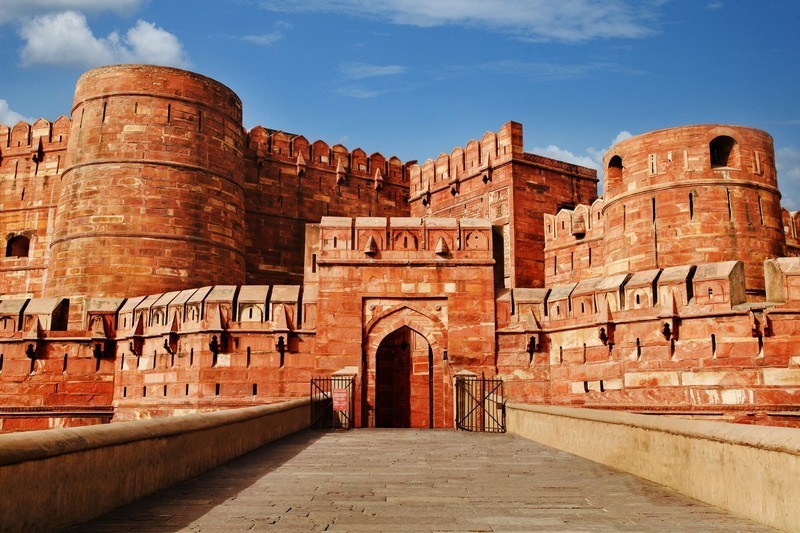
- Monuments and Architecture: Structural remains serve as evidence of technological advancement and aesthetic evolution. The transition from the trabeate style (architrave-based) to the arcuate style (true arch and dome) is visible in the evolution of structures from the Qutb Complex to the Taj Mahal.
Vernacular and Regional Literature
Regional literature began to flourish as a response to the spread of the Bhakti and Sufi movements. These sources offer glimpses into the lives of common people, which were often absent from Persian court records.
- Bhakti Poetry: Works of saints like Kabir, Mirabai, Tulsidas, and Tukaram reflect the religious synthesis and the social challenges of the time.
- Sufi Literature: The Malfuzat (conversations of Sufi saints) provide insights into the social interactions between various religious communities.
- Regional Chronicles: Texts like the Rajatarangini (continued by Jonaraja and Srivara) offer a continuous history of Kashmir, while the Buranjis are unique historical chronicles of the Ahom kingdom in Assam.
Summary of Key Source Categories
| Source Category | Utility in Historiography | Key Examples |
| Persian Chronicles | Political history, administrative structure | Tarikh-i-Firoz Shahi, Akbarnama |
| Foreign Travelogues | Social life, economy, daily customs | Kitab-ul-Hind, Rihla, Bernier’s Travels |
| Epigraphy | Land grants, royal genealogy | Chola inscriptions, Ashokan-style edicts |
| Numismatics | Monetary history, economic integration | Tanka, Jital, Mughal Rupiya |
| Vernacular/Bhakti | Cultural history, social reform, linguistics | Abhangs of Tukaram, Ramcharitmanas |
Historiographical Trends
The interpretation of these sources has shifted over the last two centuries:
- Colonial Era: Early British historians utilized Persian sources to frame the period as one of “Islamic despotism,” emphasizing religious conflict.
- Nationalist Perspective: Historians utilized the same sources to argue for the existence of a composite culture and indigenous political continuity.
- Contemporary/Marxist Perspective: Modern historians prioritize non-dynastic sources like revenue documents, trade records, and archaeological site reports to analyze the agrarian economy, the role of the peasantry, and the circulation of commodities across the Indian Ocean.