
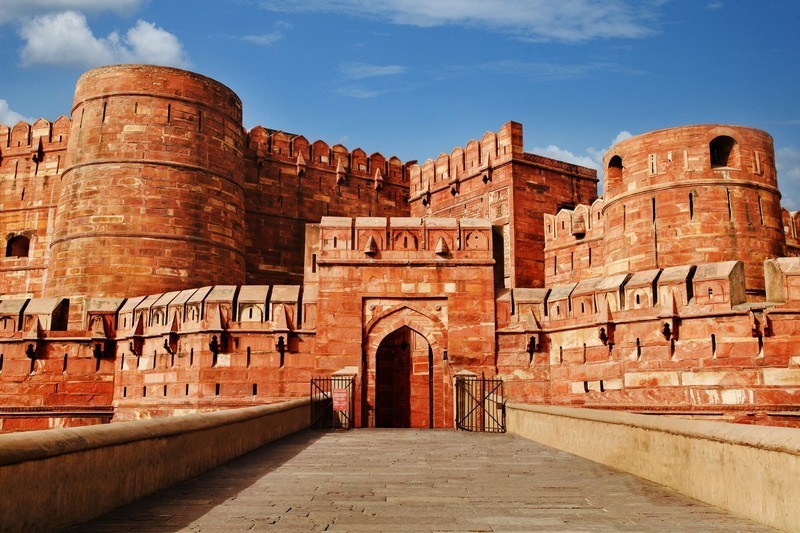
Historical Context of Tughlaqabad Fort
Built in 1321 by Ghiyas-ud-din Tughlaq, the founder of the Tughlaq dynasty, Tughlaqabad Fort represents the third city of Delhi. It was conceptualized as a massive defensive citadel to ward off Mongol invasions that frequently threatened the Delhi Sultanate. The fort is noted for its cyclopean stone masonry and rugged military architecture, which signaled a shift from the decorative style of the preceding Khalji dynasty to a more functional, formidable aesthetic.
Architectural Features and Design
The fort is characterized by its massive, sloping ramparts and heavy stone bastions. The architecture utilizes rubble masonry finished with stone blocks, featuring a pronounced inward slope known as “batter” to provide structural stability and defense against siege weapons.
- Defensive Walls: The walls reach heights of up to 10 to 15 meters and are equipped with crenelated battlements.
- The Citadel: Located on the highest point, it housed the royal palaces and the main audience hall.
- Gateways: The fort originally featured 52 gates, though only a few remain standing today.
- Water Management: The city was designed with multiple reservoirs and tanks within the perimeter to ensure water security during long sieges.
Layout and Structure
The complex is divided into three distinct zones: the citadel, the city area for commoners and officials, and the tomb of Ghiyas-ud-din Tughlaq.
| Feature | Description |
| Material | Grey sandstone, rubble, and lime mortar. |
| Stylistic Influence | Indo-Islamic; characterized by utilitarian strength over ornamentation. |
| City Layout | Irregular plan dictated by the rocky terrain of the Aravalli hills. |
| Surroundings | Built on an elevated rocky outcrop to provide natural vantage points. |
The Tomb of Ghiyas-ud-din Tughlaq
Situated south of the main fort, the tomb is connected to the citadel by a causeway that once spanned a large artificial lake. It is a masterpiece of early Tughlaq architecture, featuring:
- Dome Structure: A white marble dome sits atop a red sandstone base, creating a distinct visual contrast.
- Fortified Tomb: Uniquely, the tomb itself is surrounded by high, fortified walls with bastions, reflecting the constant threat of war during that period.
- Interior: The tomb contains the graves of Ghiyas-ud-din, his wife, and his son Muhammad bin Tughlaq.
Reasons for Abandonment and Decline
Despite its architectural magnificence, Tughlaqabad was abandoned shortly after its completion. Historical records, such as those by Ibn Battuta, attribute the decline to a severe water shortage within the fort.
- The Legend of Curse: Folklore suggests a confrontation between Ghiyas-ud-din Tughlaq and the Sufi saint Nizamuddin Auliya. It is said the saint cursed the fort, stating “Ya rahe ujjar, ya base Gujjar” (either it will remain desolate or be inhabited by herdsmen).
- Geographical Factors: The rocky terrain made it difficult to maintain adequate water levels in the reservoirs, forcing the capital to shift back toward older, more accessible areas of Delhi.
- Strategic Shift: Muhammad bin Tughlaq later shifted the capital to Daulatabad, further contributing to the abandonment of the city.
Significance in Medieval History
Tughlaqabad serves as a primary example of the military might of the early Delhi Sultanate. It remains an essential site for understanding the transition between the Slave-Khalji era and the later, more expansive Tughlaq rule. The fort’s ruins today highlight the immense labor force and sophisticated engineering capabilities available to the Sultans of the 14th century.
Last Modified: June 20, 2026