
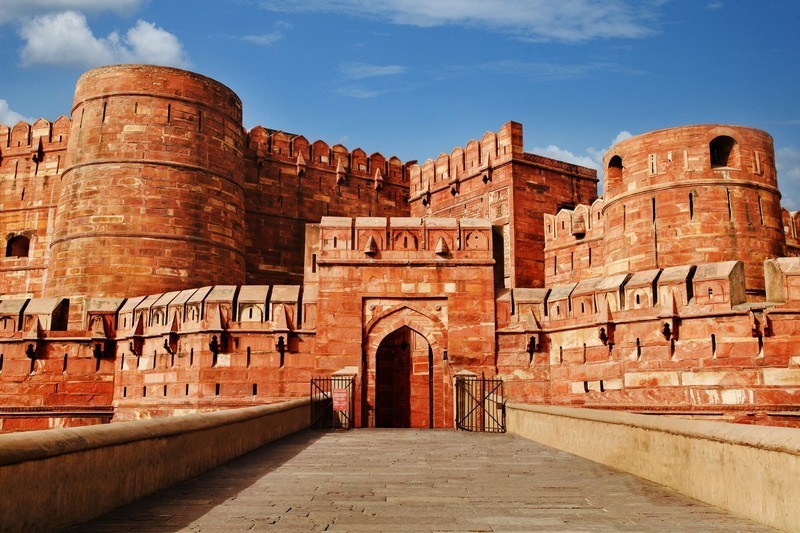
The Ghaznavid invasions (1000–1030 CE), led by Mahmud of Ghazni, represented a watershed moment in medieval Indian history. Unlike the sporadic and geographically limited Arab campaigns in Sindh, the Ghaznavid incursions were systematic, focused on resource extraction, and aimed at dismantling the political and military infrastructure of North Indian kingdoms. These raids fundamentally altered the geopolitical landscape, exposing the structural vulnerabilities of Indian states and paving the way for the eventual establishment of Turkish rule in the Gangetic plains.
Military and Tactical Impact
The Ghaznavid military success was primarily driven by the tactical superiority of Turkish cavalry over traditional Indian military systems.
- Mobility and Speed: Ghaznavid forces utilized highly mobile Turkish horse archers. This tactical flexibility consistently outmaneuvered the heavy, slow-moving elephant corps and infantry units of the Rajput and Hindu Shahi kingdoms.
- Iqta System: Mahmud of Ghazni pioneered the early Iqta system in his Indian territories, where military commanders were assigned revenue collection rights in exchange for maintaining troops. This centralized the military structure and provided a sustainable model for future Turkish dynasties.
- Intelligence and Logistics: Ghaznavid commanders demonstrated advanced intelligence-gathering capabilities. Their ability to navigate difficult terrains, such as the Thar Desert during the Somnath expedition, showcased superior logistical planning compared to contemporary Indian regional powers.
Socio-Economic and Structural Consequences
The raids caused a severe disruption to the agrarian and temple-based economy of North India.
- Resource Depletion: The systematic targeting of wealthy temple towns like Mathura, Thanesar, and Somnath drained the precious metal reserves of regional kingdoms, which hindered their ability to maintain professional armies and fortify defenses.
- Administrative Collapse: The destruction of administrative centers like Kannauj (the former capital of the Gurjara-Pratiharas) shattered the prestige and authority of major Indian dynasties, leading to greater political fragmentation and local autonomy.
- Vulnerability Exposure: The incursions highlighted the critical failure of Indian regional states to coordinate military efforts. The lack of a centralized defense strategy against external threats allowed the Ghaznavids to defeat regional powers sequentially.
Cultural and Intellectual Synthesis
The Ghaznavid period acted as a critical conduit for intellectual exchange, despite the destructive nature of the military campaigns.
- Intellectual Documentation: The presence of polymaths like Al-Biruni in the Ghaznavid retinue provided the first comprehensive and objective study of Indian society, science, and philosophy in his work, Kitab-ul-Hind.
- Scientific Transmission: The contact facilitated the transfer of Indian knowledge—specifically the decimal system, trigonometry, and astronomical calculations—to the Islamic world, which significantly advanced global scientific development.
- Linguistic Shifts: The Ghaznavids initiated the trend of Persianizing the administrative language in India. This shift from Sanskrit/Prakrit to Persian laid the foundation for the administrative culture of the subsequent Delhi Sultanate.
Comparative Impact Analysis: Arab vs. Ghaznavid
| Feature | Arab Conquest (712 CE) | Ghaznavid Invasions (11th C) |
| Primary Objective | Trade security and provincial control | Wealth extraction and frontier security |
| Strategic Base | Sindh and Southern Punjab | Punjab and Afghanistan |
| Military Model | Infantry and naval support | Centralized Turkish horse archers |
| Administrative Legacy | Retained local bureaucracy | Introduced the Iqta system |
| Long-term Result | Cultural/scientific diffusion | Breakdown of North Indian frontier defenses |
Transition to the Delhi Sultanate
The Ghaznavid hold on Punjab (especially Lahore) proved to be the most consequential administrative legacy for the subsequent Ghurid expansion.
- Permanent Frontier: By integrating Punjab into their military infrastructure, the Ghaznavids created a permanent staging ground for future Turkish incursions into the Gangetic heartland.
- Infrastructure Transfer: When the Ghurids extinguished the final remnants of Ghaznavid rule in Lahore (1186 CE), they inherited the existing administrative machinery, revenue systems, and garrison networks.
- Strategic Pivot: The Ghurids utilized these inherited resources to launch the campaigns that led to the Battle of Tarain (1192 CE), ultimately resulting in the formation of the Delhi Sultanate in 1206 CE.
Historical Trivia and Facts
- Bilingual Coinage: The Ghaznavids were among the first to issue coins featuring both Arabic and Sanskrit inscriptions, reflecting a pragmatic engagement with the local commercial landscape.
- First Sultan: Mahmud of Ghazni was the first ruler to formally adopt the title of ‘Sultan’, signaling a departure from the Caliphate-subordinate model of governance.
- Intellectual Gap: The Indian intellectual class of the 11th century was documented by Al-Biruni as being socially and intellectually “aloof,” a factor he cited as contributing to the stagnation of Indian military and administrative innovation.
- Sufi Influence: The early Ghaznavid presence in the Punjab provided the initial environment for the spread of Sufi orders, which became a vital factor in the later cultural integration of the Indian subcontinent.