
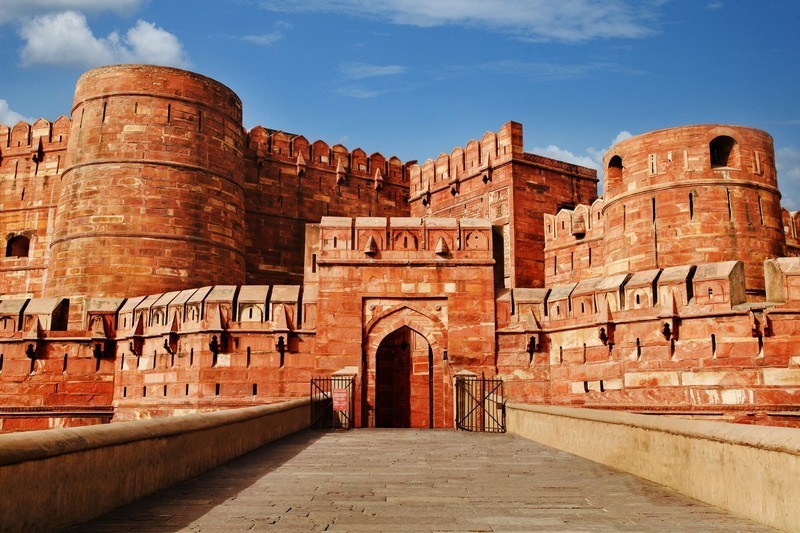
During the inception of the Mamluk Dynasty (1206–1290 CE), the Sultanate lacked a single fixed capital. The seat of power fluctuated between Lahore and Delhi based on the immediate requirements of frontier defense, administrative control, and the personal preferences of the Sultans. Lahore served as the traditional gateway from the Northwest, while Delhi emerged as the strategic center of gravity for the Indo-Gangetic plain.
Lahore as the Initial Power Center
Qutb-ud-Din Aibak, upon declaring independence in 1206 CE following the death of Muhammad Ghori, established his capital at Lahore. The choice was driven by several pragmatic factors:
- Proximity to Ghazni: Lahore provided a vantage point to monitor the movements of rival Ghurid commanders, specifically Tajuddin Yildiz in Ghazni, who claimed sovereignty over all Ghurid conquests.
- Defense against Northwest Incursions: It functioned as a primary garrison town to check threats from Central Asian factions and rival claimants like Nasir ad-Din Qabacha in Multan and Uchch.
- Legacy of Ghurid Administration: Lahore had already functioned as an administrative hub under the later Ghaznavids and Ghurids, providing a readymade infrastructure for the nascent Sultanate.
Delhi as the Emerging Imperial Heartland
While Aibak preferred Lahore, his successor Iltutmish (1211–1236 CE) fundamentally shifted the imperial focus to Delhi. This transition transformed Delhi into the political, cultural, and economic nerve center of Northern India.
- Strategic Depth: Delhi was situated deeper into the Indian subcontinent, offering more security from the volatile political chaos of the Afghanistan frontier.
- Control of the Gangetic Plain: Positioning the capital in Delhi allowed for better consolidation of the rich agricultural lands of the Doab, which were essential for sustaining a large standing army.
- Cultural Patronage: Iltutmish’s shift to Delhi accelerated the development of the city as a center of Indo-Islamic culture, evidenced by the expansion of the Qutb complex and the settlement of scholars and Sufi saints fleeing the Mongol invasions.
- Communication Hub: Delhi sat at the intersection of major trade routes connecting the North with the Deccan and the Eastern regions of Bihar and Bengal.
Comparison of Administrative and Strategic Centers
| Feature | Lahore | Delhi |
| Primary Role | Frontier defense and Northwest oversight | Imperial administration and interior control |
| Strategic Value | Gateway to Afghanistan/Central Asia | Heart of the Indo-Gangetic Doab |
| Stability | Vulnerable to frontier power struggles | Protected by geographic depth |
| Tenure as Capital | Primary under Aibak | Permanent from Iltutmish onwards |
Political Realignment and Consolidation
The shift from Lahore to Delhi was not merely geographical but reflected the Sultanate’s evolution from a transient military outpost into an integrated territorial state.
- Neutralizing Rivals: By settling in Delhi, Iltutmish effectively separated his administration from the direct influence of the Ghazni-based rivals like Yildiz.
- Centralization of the Iqta System: Managing the transfer of Iqtadars and revenue collection became more efficient from a centralized location in Delhi, which acted as the node for the imperial bureaucracy.
- Mongol Threat Management: The shift allowed the Sultans to focus their military resources on fortifying the Indus line from the interior rather than being constantly entangled in local frontier skirmishes in the Punjab.
Architectural and Cultural Implications
The movement of the capital profoundly influenced the urban geography of the region.
- Lahore remained a vital military and commercial center, often serving as a secondary capital or a base for governors tasked with guarding the frontier against the Mongols.
- Delhi underwent rapid urbanization under the Mamluk Sultans, becoming known as ‘Hazrat-i-Delhi.’ The concentration of the elite, the military, and the administrative bureaucracy in Delhi attracted talent from throughout the Islamic world.
- The focus on Delhi allowed for the development of distinct architectural styles, blending the Persianate arcuate techniques with the local craftsmanship available in the Gangetic heartland, which eventually culminated in the unique Delhi Sultanate aesthetic.
Historical Facts and Trivia
- Qutb-ud-Din Aibak died in Lahore in 1210 CE after a fall during a game of polo (Chaugan), marking the end of the first Lahore-centric phase.
- Iltutmish is credited with making Delhi the permanent capital, a status it maintained, with brief exceptions, throughout the Delhi Sultanate and the subsequent Mughal period.
- The term ‘Hazrat-i-Delhi’ was frequently used in contemporary Persian chronicles to denote the imperial status of the city under the Mamluk Sultans.
- Despite the move to Delhi, the governorship of Lahore remained one of the most prestigious and militarily critical positions in the Sultanate, often entrusted to the most capable commanders to serve as a bulwark against external invasion.