
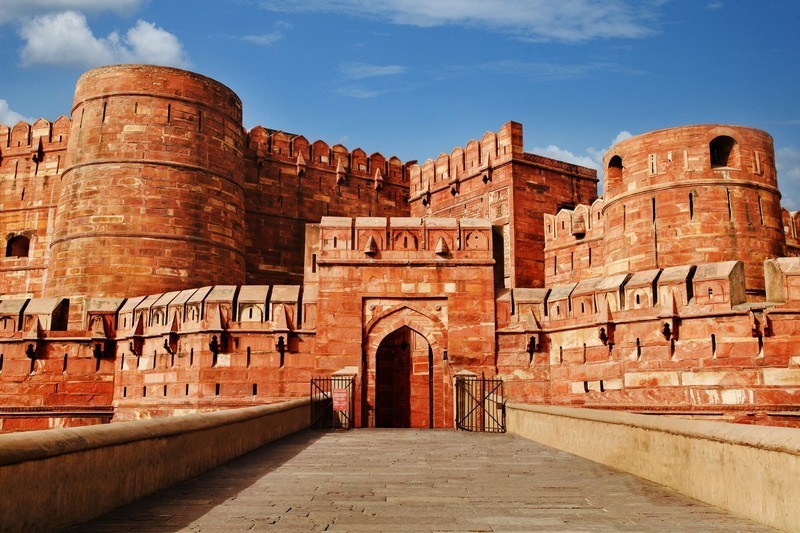
Archaeological evidence provides the material framework for verifying, supplementing, and correcting literary narratives of Medieval India. While literary sources like Persian chronicles or regional literature often reflect the bias of courtly elites, archaeological remains offer a neutral, tangible record of human activity, technological progress, and socioeconomic change. These remains—ranging from architectural monuments and urban layouts to artifacts and epigraphy—are critical for understanding the “history from below” and the material culture of the medieval period.
Monuments and Architectural Evolution
Medieval architecture serves as a primary historical record, documenting the synthesis of indigenous Indian styles with incoming Islamic influences.
Architectural Transition and Documentation
- Trabeate to Arcuate: The transition from the trabeate (beam-and-lintel) style to the arcuate (true arch and dome) style marks the shift in construction technology from the 12th century. The Qutb Complex stands as the foundational site for this architectural evolution.
- Regional Styles: Regional monuments, such as the temples of Hampi (Vijayanagara) and the mosques of Mandu or Ahmedabad, provide evidence of distinct regional political power and aesthetic preferences.
- Urbanization: Archaeological excavations of medieval cities like Firozabad, Hampi, and Fatehpur Sikri reveal urban planning, water management systems, and specialized trade zones, providing insights into administrative and demographic shifts.
Epigraphy as Material Evidence
Inscriptions are among the most significant archaeological assets, providing objective data regarding land administration and local governance.
Types of Epigraphic Data
- Copper-Plate Grants (Tamrapatras): These act as permanent legal title deeds documenting land revenue, tax exemptions, and genealogical records of ruling dynasties.
- Temple Inscriptions: Often found on walls and pillars, these records document village administration (e.g., the Uttaramerur inscription regarding the Chola village assemblies) and the role of the temple as an economic and banking hub.
- Memorial Stones: Hero stones and Sati stones provide insights into the social history, military culture, and the practice of martyrdom or ritual sacrifice in various medieval societies.
Numismatic Evidence
Coins are the most precise instruments for dating historical events and analyzing economic conditions.
Economic and Political Utility
- Standardization: The bimetallic system of the Delhi Sultanate (Tanka and Jital) and the refined silver Rupiya of Sher Shah Suri indicate high levels of economic integration and monetary standardization.
- Mints and Regions: The distribution of mints across the empire under the Mughals provides data on the administrative reach and the centralization of fiscal policy.
- Trade Networks: The recovery of foreign coins in Indian archaeological strata confirms the extent of maritime trade and the circulation of bullion across the Indian Ocean and the Silk Road.
Artifacts and Material Culture
Excavations of medieval sites reveal the daily life of common people, which is often neglected in royal chronicles.
Key Archaeological Finds
- Ceramics and Pottery: Glazed and unglazed pottery shards found at sites like Delhi and Champaner provide data on trade, food consumption, and cultural exchanges between Central Asia and India.
- Tools and Implements: Excavated agricultural tools, weaving instruments, and metal implements illustrate the technological state of the agrarian economy.
- Trade Goods: Archaeological finds such as beads, imported glassware, and textiles confirm the status of medieval India as a central hub of global trade.
Comparative Utility of Archaeological Sources
| Source Type | Primary Historical Utility |
| Monuments | Political power, aesthetic change, urban planning |
| Epigraphy | Legal, administrative, genealogical records |
| Numismatics | Economic stability, chronology, monetization |
| Ceramics/Tools | Material culture, daily life, trade |
Significance for UPSC Historiography
Archaeological evidence acts as a critical corrective to the dynastic bias of court chronicles. For instance:
- Excavations at Hampi (Vijayanagara) provide a more accurate picture of the city’s economic scale than the exaggerated claims in foreign travelogues.
- Inscriptions often reveal the specific roles of local bodies that official Persian chronicles ignore.
- Archaeological data allows for an objective analysis of environmental and technological changes that occurred between the 8th and 18th centuries.
Key Facts and Trivia for Prelims
- Archaeological Survey of India (ASI) is the primary body responsible for the maintenance and documentation of these medieval sites.
- The transition to paper documents in the 13th century complemented, but did not replace, the tradition of inscribing important records on stone or copper.
- Metrology—the study of weights and measures—is a vital sub-discipline of archaeology used to assess the accuracy and fairness of medieval market transactions.
- The use of hydraulic architecture, such as step-wells (baolis) and qanats, is a significant feature discovered through the archaeological study of arid regions like Rajasthan and Gujarat.