
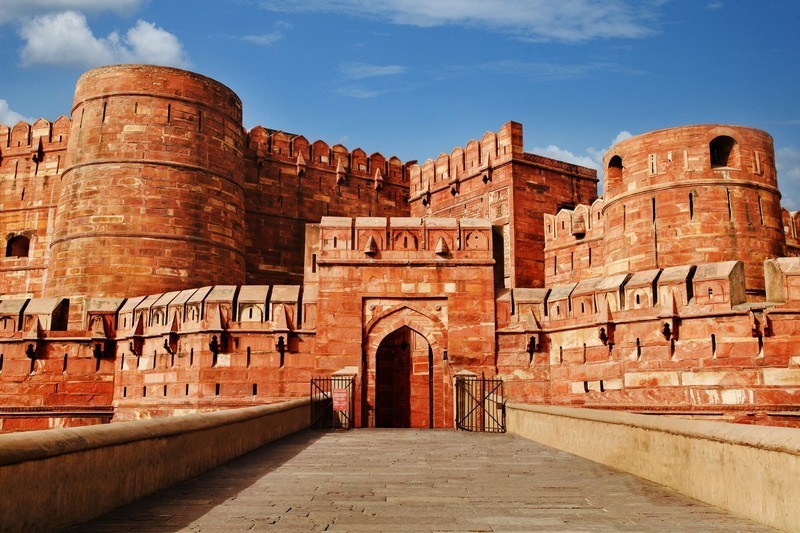
The Jagannath Temple at Puri emerged during the medieval period as the spiritual and political anchor of the Eastern Ganga Dynasty. Situated on the eastern coast of India along the Bay of Bengal, the temple served as more than a religious sanctuary; it functioned as the ideological nucleus that legitimized imperial authority across the Eastern, Western, and frontier regions of the Indian subcontinent. By placing the empire under the divine regency of Purushottama Jagannath, Eastern Ganga monarchs transformed their realm into a consolidated theocracy, using the deity to unify culturally distinct and volatile frontier territories.
The Concept of Purushottama Kshetra
The sacred geography of Puri was designated as Purushottama Kshetra or Shankha Kshetra. Under the Eastern Gangas, this coastal site was systematically elevated from a regional pilgrimage destination into a pan-Indian spiritual capital. The geographical positioning allowed the rulers to control the vital coastal trade routes of the eastern seaboard while projecting soft power inward toward the central highlands and frontier buffers.
Architectural Evolution and Structural Engineering
Construction Phases under the Gangas
The construction of the monumental stone temple was initiated by Emperor Anantavarman Chodaganga Deva (1078–1147 CE) following his annexation of the Utkala region. The construction was later expanded and completed by his successors, most notably Anangabhima Deva III (1211–1238 CE). The Gangas replaced an older, decaying structure with a massive monument built on an elevated platform called the Nila Parvata (Blue Mountain) to safeguard it against coastal erosion and cyclones.
The Kalinga Style of Architecture
The temple complex represents the absolute zenith of the Nagara sub-style known as the Kalinga architectural style. The structure consists of four grand, interconnected linear components that reflect advanced medieval structural engineering: | Structural Component | Architectural Style | Core Functional Purpose | | | | | | Vimana / Deula | Rekha Deula | The main sanctum sanctorum featuring a towering curvilinear spire that houses the primary deities. | | Jagamohana | Pidha Deula | The square assembly hall featuring a pyramidal roof where devotees gather for congregational prayers. | | Natamandapa | Flat-roofed Pillared Hall | The dancing hall added by later Ganga rulers to accommodate ritualistic Odissi performances (Maharis). | | Bhogamandapa | Pidha Deula | The refectory or hall of offerings constructed to manage the complex daily food rituals (Mahaprasad). |
Defensive Enclosures and Key Gateways
The entire temple complex is secured by two massive concentric stone walls designed to resist military incursions from frontier regions. The outer wall is known as the Meghanada Pacheri (measuring approximately 665 feet by 644 feet), and the inner wall is called the Kurma Pacheri. The complex is accessed through four monumental stone gateways named after symbolic animals, facing the cardinal directions:
- Simhadwara (The Lion’s Gate): The eastern and primary entrance, flanked by two colossal stone lions, symbolizing imperial majesty.
- Asvadwara (The Horse’s Gate): The southern entrance, representing military power and cavalry strength.
- Vyaghradwara (The Tiger’s Gate): The western entrance, symbolizing spiritual power and determination.
- Hastidwara (The Elephant’s Gate): The northern entrance, representing material wealth and royal opulence.
Integration of Eastern, Western, and Frontier Regions
Eastern Region Consolidations: Utkala and Kalinga
The coastal belt of Odisha and modern northern Andhra Pradesh formed the agrarian and economic engine of the Ganga Empire. The Jagannath Temple served as the central point where local agrarian surpluses were institutionalized. Land grants (Agraharas) from the fertile deltas of the Mahanadi, Brahmani, and Baitarani rivers were permanently dedicated to the temple treasury, creating a network of economic dependence that bound the eastern landed aristocracy to the Ganga crown.
Western Region Alliances: The Tribal Highlands and Kosala
The western frontier of the empire, bordering the Kalachuris of Ratnapura (modern Chhattisgarh) and the tribal tracts of Gondwana, posed a constant threat of rebellion. The Jagannath cult acted as a tool for political integration along this frontier. Lord Jagannath possessed deep-rooted tribal origins, linked to the deity Nilamadhaba worshipped by the Sabar tribe. By patronizing a deity with tribal ancestry, the Eastern Ganga kings successfully assimilated the powerful highland tribes of Western Odisha into the Brahmanical and imperial state system. The Daitapatis (temple servitors of tribal lineage) were granted exclusive rights during the Navakalevara ritual, cementing a permanent socio-political bridge between the western tribal frontiers and the coastal state.
Frontier Regions: Northern Bengal and Southern Godavari Borders
To the north, the empire constantly clashed with the Sena and Pala dynasties of Bengal, and later with the Ilyas Shahi Sultanate. To the south, frontiers extended to the Godavari River, contesting territory with the Kakatiyas and Western Chalukyas. Ganga monarchs utilized the Jagannath Temple as an ideological rallying point against foreign invasions. Emperor Anangabhima Deva III formally dedicated his entire empire to Lord Jagannath through the Rudra-Abhishek ritual, declaring himself as the Rauta (divine deputy or viceroy) of the deity. Any frontier invasion by neighboring kingdoms was legally branded as an act of sacrilege against the supreme lord of the universe, forcing frontier feudatories (Samantas) to maintain absolute loyalty to Cuttack and Puri.
Administration, Economy, and Ritualistic Networks
The Temple Bureaucracy
The Eastern Gangas established a highly stratified, complex administrative framework to manage the temple, known as the Chhatisa Niyoga (Thirty-six categories of servitors). This system institutionalized hereditary duties ranging from royal astrologers (Khuri Nayaka) to culinary supervisors, ensuring that various socio-economic castes were permanently bound to the upkeep of the state deity.
Economic Inflow and Currency Standard
The temple acted as an imperial central bank during the medieval period. It received immense wealth via Dana (donations) from conquered territories in the form of gold Ganga Fanams, silver ingots, textiles, and aromatic spices. The Madala Panji, the official palm-leaf chronicle maintained at the temple, serves as a vital historical record detailing royal decrees, land revenue distributions, and the economic interactions of the temple with distant trading outposts in Southeast Asia.
Prelims-Specific Historical Facts and Trivia
The Aruna Stambha
The monolithic sixteen-sided chlorite stone pillar standing outside the Simhadwara is known as the Aruna Stambha (Sun Pillar). It features a finely carved figure of Aruna, the charioteer of the Sun God. This architectural piece originally belonged to the Konark Sun Temple and was relocated to Puri in the late 18th century by the Marathas to save it from desecration.
The Unique Iconography
Unlike the anthropomorphic stone or metal idols found in classical Nagara temples, the triad of the Jagannath Temple—Jagannath, Balabhadra, and Subhadra—are carved out of sacred neem logs (Daru). The large square heads, minimalist stumps for arms, and stylized oversized eyes are direct material evidence of the temple’s indigenous, pre-Brahmanical folk and tribal origins.
The Concept of Mahaprasad
The temple kitchen, known as the Rosha Ghara, is historically recognized as one of the largest medieval kitchens in Asia. It operates strictly on traditional culinary principles, utilizing unglazed clay pots stacked vertically over wood fires. The cooked food, once offered to the deities, becomes Mahaprasad and is distributed through the Ananda Bazar inside the outer enclosure, breaking all traditional caste restrictions on communal dining.
The Anka Year Dating System
All major administrative decrees, land endowments, and historical events recorded within the temple archives used the Anka system—a unique regnal year calculation employed by the Eastern Ganga and subsequent Gajapati rulers. This system omits specific numbers ending in 0 and 6 (except 10) to calculate the actual functional reign of the sovereign, a crucial detail for deciphering medieval Odishan epigraphy.
Last Modified: June 22, 2026