
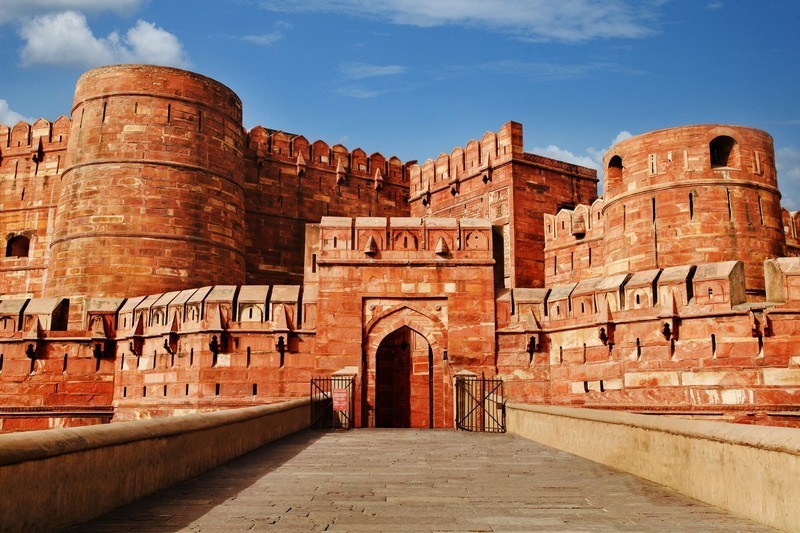
Following the decline of the Ghaznavid power in their ancestral capital of Ghazni due to the rise of the Ghurids in the mid-12th century, Lahore (Lohawar) emerged as the final bastion and capital of the Ghaznavid Empire. From 1151 to 1186 CE, Lahore functioned as the primary administrative and military center for the dynasty’s remaining Indian territories, bridging the transition between early Turkish raids and the permanent establishment of the Delhi Sultanate.
Administrative and Political Transformation
The shifting of the royal court to Lahore necessitated a reorganization of Ghaznavid administrative practices to manage the Punjab and surrounding frontier regions effectively.
- The city became the seat of a Persianized Turkish administration that governed through a structured bureaucracy.
- The Ghaznavid rulers in Lahore continued the use of the Iqta system, assigning revenue-collecting rights to military commanders to sustain local garrisons.
- Lahore served as the nexus for diplomatic and military communication between the frontier outposts of the Punjab and the remnants of the Ghaznavid influence in the Afghan highlands.
Military Infrastructure and Regional Defense
As the capital, Lahore was transformed into a fortified military hub designed to protect the Ghaznavid hold on the Indus and Punjab regions.
- The city housed a permanent professional army, essential for checking the aggressive expansion of the Ghurids from the Ghor region.
- It served as the central logistical base for the deployment of Turkish heavy cavalry, which remained the dynasty’s primary military advantage over regional rivals.
- Lahore’s strategic position allowed for effective patrolling of the mountain passes, ensuring that communication and trade routes remained under Ghaznavid surveillance.
Lahore as an Intellectual and Cultural Hub
The relocation of the Ghaznavid court to Lahore fostered a vibrant intellectual environment, transforming the city into a center for Persian and Islamic scholarship in India.
- Patronage of Scholars: The royal court in Lahore provided refuge and support for poets, historians, and theologians, preserving the literary traditions of the Ghaznavid era.
- Persianization of Administration: Lahore solidified the role of Persian as the language of high administration, law, and literature, a trend that persisted throughout the Delhi Sultanate.
- Architectural Synthesis: The city became a testing ground for the integration of Central Asian architectural features, such as arches and domes, with indigenous brickwork and decorative styles.
Comparative Status of Regional Centers
| Center | Strategic Role | Administrative Focus |
| Ghazni | Ancestral Imperial Capital | Centralized Royal Authority |
| Lahore | Final Ghaznavid Capital | Frontier Defense and Regional Governance |
| Multan | Frontier Outpost | Revenue Collection and Trade Transit |
The Transition from Ghaznavid to Ghurid Authority
The prominence of Lahore as a Ghaznavid center eventually made it the ultimate objective for the rival Ghurid dynasty.
- Siege and Conquest: In 1186 CE, Muhammad Ghori launched a decisive campaign against Lahore, successfully capturing the city and ending the Ghaznavid dynasty.
- Legacy for the Delhi Sultanate: Upon capturing Lahore, Muhammad Ghori inherited the established administrative machinery, military infrastructure, and revenue systems of the Ghaznavids.
- Strategic Pivot: Lahore served as the springboard for Ghori’s subsequent invasions into the Gangetic plains, culminating in the Battle of Tarain in 1192 CE.
- Administrative Continuity: The bureaucratic framework developed in Lahore during the Ghaznavid period was largely adopted and expanded by the nascent Delhi Sultanate after 1206 CE.
Historical Trivia and Significance
- Bilingual Coinage: During the Ghaznavid period in Lahore, the state issued bilingual coins featuring both Arabic and Sanskrit, reflecting the pragmatic approach of the Turkish administration toward local trade.
- Sufi Influence: The late Ghaznavid period in Lahore saw the early influence of Sufi saints, whose activities played a crucial role in the cultural integration of the Punjab region.
- Historical Documentation: Chroniclers like Minhaj-i-Siraj and others utilized the records maintained in the administrative offices of Lahore to reconstruct the dynastic histories of the 12th century.
- Strategic Gateway: Lahore’s role as a capital during this period cemented its historical status as the primary gateway for Central Asian influences entering the Indian subcontinent.