
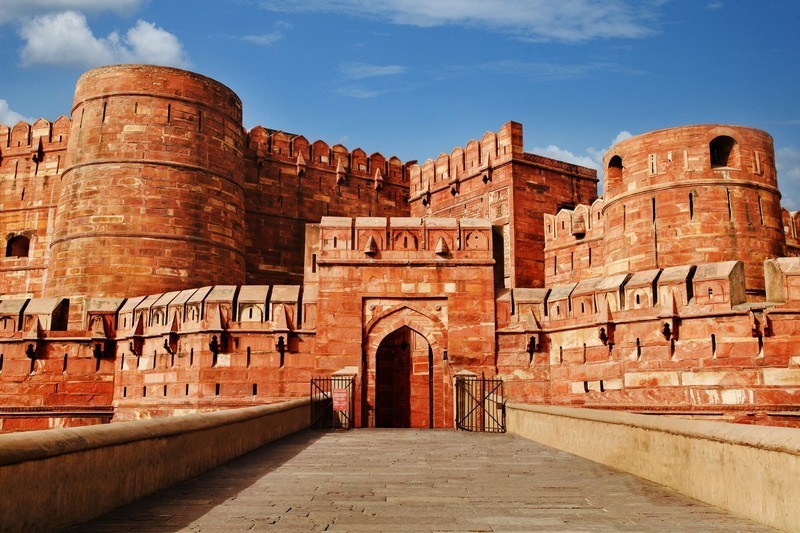
The Diwan-i-Bandagan was a specialized administrative department established by Sultan Firoz Shah Tughlaq (reigned 1351–1388) to oversee the management and welfare of the state’s enslaved population. This department represents a unique institutional development in the Delhi Sultanate, highlighting the unprecedented scale of slavery under Firoz Shah’s administration.
Objectives and Administrative Function
Firoz Shah Tughlaq maintained a massive household of slaves, numbering approximately 180,000. The Diwan-i-Bandagan was created to streamline the governance of these individuals. Its core functions included:
- Registration and record-keeping of all slaves acquired by the state.
- Oversight of the training programs for slaves in various crafts, industries, and military arts.
- Allocation of slaves to different royal workshops (karkhanas) and administrative duties.
- Management of salaries and maintenance grants provided to the enslaved individuals.
Role of Slaves in the State
The integration of slaves into the Sultanate’s machinery under Firoz Shah was comprehensive. Unlike the slave armies of the early Mamluk Sultans, these slaves served primarily as artisans and bureaucrats.
- Artisanal Production: Many slaves were trained in handicrafts, including embroidery, metalwork, and tailoring, contributing to the output of the royal karkhanas.
- Administrative Services: Educated slaves were frequently employed in the central and provincial bureaucracy, serving as clerks and minor officials.
- Military Support: While not primarily a combat force, they were used for garrison duties and logistical support for the Sultan’s military campaigns.
- Royal Household: A significant portion of the enslaved population performed domestic services within the royal palace and the Sultan’s personal retinue.
Key Departments of Firoz Shah Tughlaq
The Diwan-i-Bandagan operated as one pillar of Firoz Shah’s comprehensive administrative and social welfare system:
| Department | Primary Function |
| Diwan-i-Bandagan | Management, training, and welfare of state slaves. |
| Diwan-i-Khairat | Charity and marriage grants for poor girls. |
| Diwan-i-Istihqaf | Pensions and financial aid for the needy. |
| Dar-ul-Shifa | Free state-run medical facilities. |
Socio-Economic Implications
The establishment of the Diwan-i-Bandagan had profound effects on the Tughlaq state’s economy and social structure:
- Economic Burden: The maintenance of such a large number of slaves placed a heavy strain on the imperial treasury, necessitating regular financial allocations from the state revenue.
- Employment Integration: By training slaves in specialized crafts, the Sultan effectively created a state-controlled labor pool, reducing dependence on independent guild laborers.
- Political Patronage: The department allowed the Sultan to cultivate a class of officials who were entirely dependent on him, bypassing the influence of the traditional landed nobility.
- Professionalization: The systematized training of slaves ensured a consistent quality of workmanship in the royal workshops, bolstering the prestige of Tughlaq crafts and architecture.
Historical Significance
The Diwan-i-Bandagan is cited by historians as an example of Firoz Shah’s attempt to centralize power through a loyal administrative cadre. However, the reliance on an institutionalized slave system is also viewed as a contributing factor to the dynasty’s eventual weakness. The proliferation of slaves into administrative roles led to friction with the free-born military commanders and the Ulema, and the cost of their maintenance became unsustainable as the central authority waned after Firoz Shah’s death. It remains the most prominent instance of state-managed slavery in the history of the Delhi Sultanate.
Last Modified: June 20, 2026