
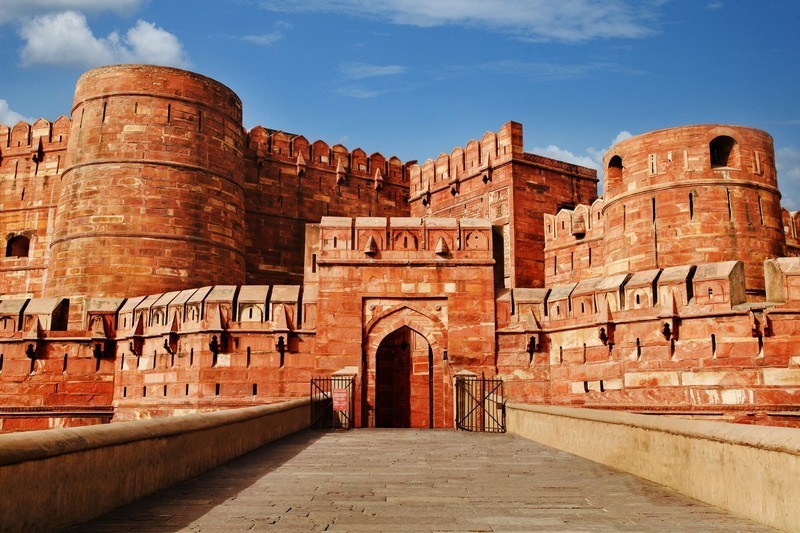
Jayachandra (reigned c. 1170–1194 CE) was the final major monarch of the Gahadavala dynasty, which held authority over the fertile Gangetic plains. His reign represents the culmination of Gahadavala imperial power, characterized by immense wealth, extensive patronage of Sanskrit literature, and complex regional geopolitical struggles. He is a pivotal figure in the transition period that preceded the establishment of the Delhi Sultanate.
Political and Strategic Context
Jayachandra inherited a stable and prosperous kingdom centered at Kannauj, with Varanasi serving as a significant religious and secondary administrative hub.
- Imperial Reach: His authority extended over a vast territory encompassing modern-day Uttar Pradesh and western Bihar. The dynasty maintained this control by fortifying strategic nodes along the Ganges.
- Regional Rivalry: The late 12th century was marked by intense competition between the Gahadavalas, the Chahamanas (Chauhans) of Ajmer, and the Chandellas of Bundelkhand. This internal friction, particularly the rivalry with Prithviraj Chauhan, prevented the formation of a unified northern defensive front.
- Diplomatic Stance: Jayachandra maintained an assertive foreign policy, often acting as a counterweight to the westward-looking Chahamanas. His defensive posturing was heavily influenced by the necessity to check the persistent incursions of the Ghaznavid-descended forces in the Punjab.
Military Organization and Administration
The Gahadavala state under Jayachandra operated through a highly professional and bureaucratic administrative structure.
- Fiscal Policy: The kingdom was exceptionally wealthy, fueled by agricultural surplus from the Doab and control over critical north-south trade routes. The state relied on taxes such as the Turushka-danda, a special levy specifically designated for defense expenditure against external threats.
- Army Composition: His military forces consisted of a professional cavalry, infantry, and a significant elephant corps. The army was maintained through a centralized system that utilized land grants (feudal levies) to ensure rapid mobilization during times of conflict.
- Bureaucracy: The administration was managed by a sophisticated council of ministers, including the Sandhivigrahika, who handled matters of war, peace, and inter-state diplomacy.
Cultural Patronage and Literary Flourishing
The Gahadavala court under Jayachandra continued the dynasty’s tradition as a premier center for Sanskrit intellectualism and legal studies.
- Literary Patronage: Jayachandra was a prolific patron of poets and philosophers. The court attracted scholars who codified the socio-religious practices of the time, building upon the foundations established by earlier Gahadavala ministers like Lakshmidhara.
- Religious Foundations: He supported the growth of Varanasi as an unparalleled center for Brahminical learning and pilgrimage. His reign saw the construction of numerous temples and the formalization of religious endowments that supported scholarly activities.
The Battle of Chandawar and the Fall of Kannauj
The pivotal event in Jayachandra’s reign—and the history of late 12th-century North India—was the Battle of Chandawar in 1194 CE.
- Context of the Battle: Following the defeat of Prithviraj Chauhan at the Second Battle of Tarain in 1192 CE, Muhammad Ghori turned his attention toward the remaining major power in the Gangetic plains.
- Outcome: Jayachandra’s forces met the Ghorid army at Chandawar (near Etawah on the Yamuna river). Despite putting up a stiff resistance, Jayachandra was killed in the battle.
- Consequence: His death led to the swift collapse of the Gahadavala imperial structure. Kannauj was captured by the Ghorid forces, effectively ending the last major indigenous imperial power of North India and accelerating the consolidation of the Delhi Sultanate.
Historical Facts and UPSC Prelims Trivia
| Feature | Details |
|---|---|
| Reign Period | c. 1170–1194 CE |
| Capital | Kannauj |
| Major Victory | Resisted Ghaznavid incursions early in his reign |
| Major Defeat | Battle of Chandawar (1194 CE) |
| Primary Rival | Prithviraj Chauhan (Chahamana Dynasty) |
| Key Tax | Turushka-danda (Defense levy) |
- The legendary account of the abduction of Jayachandra’s daughter, Samyogita, by Prithviraj Chauhan appears in the Prithviraj Raso. While historically contentious, it serves as a common trope in medieval folk history to explain the lack of cooperation between the two rulers.
- Jayachandra is frequently referred to in historical records as ‘Jaichand’ in later vernacular traditions.
- His reign is cited by historians as a prime example of the political fragmentation of the 12th century, where immense economic and cultural prosperity existed alongside a lack of cohesive military strategy.
- The defeat of Jayachandra effectively consolidated the Ghorid control over the central Gangetic plains, establishing the foundation for the administrative transition into the Sultanate era.