
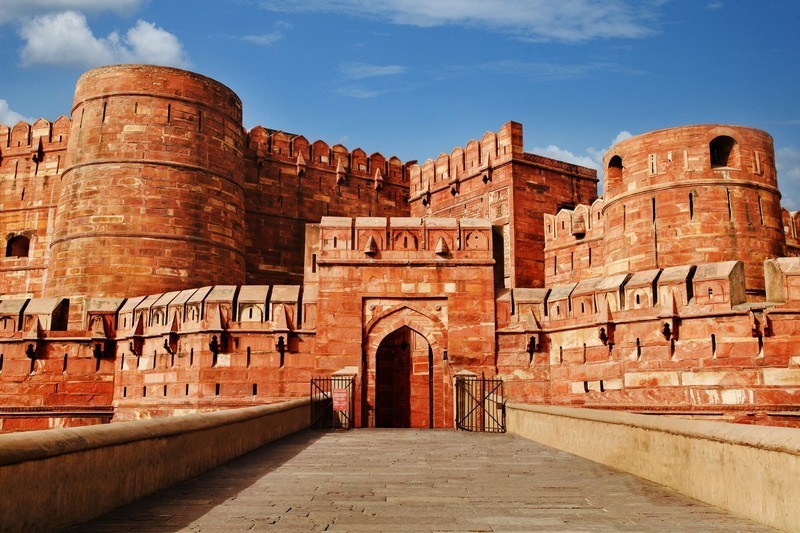
The military organization of the Delhi Sultanate was the bedrock of its political authority. The army evolved from a tribal force of Turkic horsemen into a complex, centralized bureaucratic machine.
The Central Standing Army (Hashm-i-Qalb)
The Hashm-i-Qalb was the Sultan’s personal standing army, stationed in and around the capital, Delhi. This force was directly recruited, trained, and paid by the central government. Its existence ensured that the Sultan was not entirely dependent on the feudal levies of provincial governors.
The Iqta-based Military System
The Iqta system functioned as a decentralized military administrative mechanism. Iqtadars were granted land revenues (Iqtas) in lieu of cash salaries, with the explicit obligation to maintain a specified number of troops. In times of war, these forces were mobilized under the command of the Sultan or his generals.
Recruitment and Military Personnel
The military force comprised diverse ethnic and professional backgrounds:
- Cavalry (Sawars): The most elite wing of the army, primarily composed of Turkish, Tajik, and later, Afghan and Indian Muslim horsemen.
- Infantry (Paiks): Primarily consisted of local Hindu soldiers, who were skilled in archery and served as the foot soldiers.
- Specialized Corps: The Sultanate maintained distinct units, including elephant corps (Fil-khana) and archery divisions.
Administrative Reforms: The Diwan-i-Arz
The Diwan-i-Arz served as the Ministry of War. Its head, the Ariz-i-Mumalik, was responsible for the recruitment, inspection, and payment of the troops. Key administrative innovations included:
- Dagh (Branding): Introduced by Alauddin Khalji, this involved branding horses to ensure that Iqtadars maintained high-quality mounts and did not substitute them with inferior animals.
- Huliya (Descriptive Roll): A system of maintaining detailed personal records of every soldier to prevent fraud, such as proxy soldiers collecting double salaries.
Economic Linkages: Paying the Army
The sheer size of the standing army necessitated a robust fiscal policy. Alauddin Khalji’s implementation of market regulations and strict land revenue measurement (Paimaish) were fundamentally driven by the need to maintain a massive force on a fixed, sustainable salary budget.
- Cash Salaries: The shift to cash-based salaries allowed the Sultan to recruit a large number of soldiers without relying on the decentralizing tendencies of the Iqta system.
- War Spoils (Khams): The one-fifth share of war booty kept by the state treasury provided essential liquidity for military expansion and payment of the standing army.
Military Technology and Tactics
The Sultanate army utilized a blend of Central Asian nomadic tactics and indigenous Indian military practices:
- Horse Archery: The hallmark of Turkish warfare, allowing for high-mobility strikes.
- Siege Warfare: The use of Manjaniqs and Maghribis (mechanical siege engines) became prominent during the Deccan campaigns.
- Elephant Corps: While infantry-heavy, the Sultanate integrated the Indian elephant corps, primarily used for transport and breaking enemy lines in static warfare.
Summary of Military Departments
| Office | Function |
| Ariz-i-Mumalik | Head of the Military Department (Diwan-i-Arz). |
| Naib-i-Ariz | Deputy to the head of the military. |
| Shahna-i-Fil | Officer in charge of the elephant stables. |
| Amir-i-Akhoor | Officer in charge of the royal horse stables. |
Social Mobility within the Military
The military was the primary engine of social mobility in medieval India. The system of slave-officers (Bandagan) allowed individuals of humble origins to rise to the highest levels of the nobility, including the throne (as seen with the Mamluk dynasty).
Trivia for Prelims
- Alauddin Khalji was the first Sultan to pay his soldiers in cash.
- The term Jital was used to denote the copper currency often used for lower-level military payments.
- Firoz Shah Tughlaq’s establishment of the Diwan-i-Bandagan (Department of Slaves) institutionalized the military’s reliance on a large body of permanent, state-maintained personnel.
- The presence of a large standing army allowed the Sultanate to repel repeated Mongol invasions, which was a defining achievement of the military under the Khalji and Tughlaq rulers.