
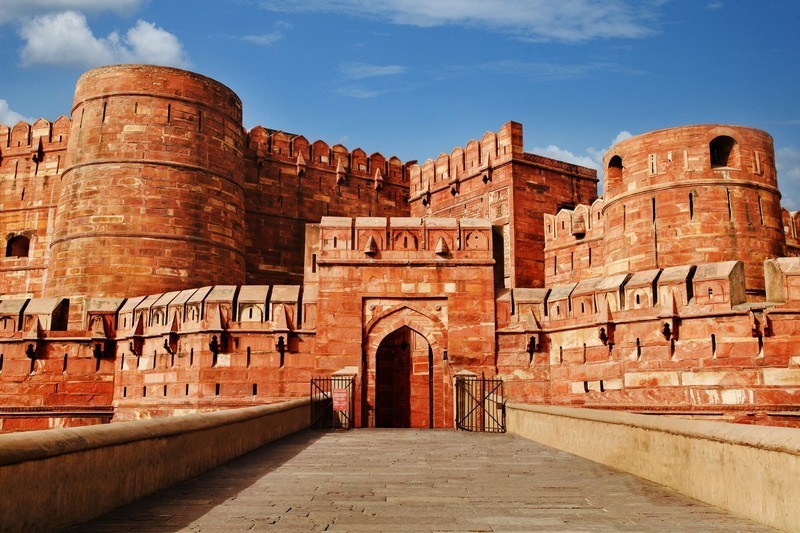
The military superiority of the Ghurids and subsequent Turkish dynasties in India was intrinsically linked to their control over the Central Asian horse trade. In the 12th and 13th centuries, the horse was the primary strategic asset, determining the mobility, reach, and tactical effectiveness of an army. The transition from infantry-based warfare to cavalry-dominant warfare in North India necessitated a continuous supply of high-quality steeds from Central Asian markets.
Supply Routes and Regional Sources
The Turkish expansion required a consistent influx of horses capable of endurance and speed in combat. The trade routes connecting the Central Asian highlands to the Indian frontier were the lifeblood of the Ghurid military machine.
- Central Asian Steppes: The primary source for the hardy, mobile horses used by the Ghurid light cavalry was the steppe region of modern-day Afghanistan, Uzbekistan, and Turkmenistan.
- Ghazni and Kabul: These cities functioned as major transit hubs where horses were collected, trained, and prepared for military use before being moved south into the Punjab and the Gangetic plains.
- Himalayan Passes: The Khyber and Bolan passes were the critical choke points through which these animals were transported. Secure control over these passes was a prerequisite for maintaining the military readiness of the Turkish garrisons in India.
- Domestic Constraints: The climate of the Gangetic plains was historically unsuitable for breeding high-quality, high-stamina military horses, which made the region perpetually dependent on imports from Central Asia.
Tactical Utility of Imported Breeds
The horses utilized by the Ghurids were distinct from those traditionally used in the Indian subcontinent, offering specific military advantages.
- Endurance and Stamina: Central Asian breeds were accustomed to long-distance travel and extreme temperatures, making them far superior for the rapid, long-range campaigns conducted by Bakhtiyar Khalji and Muhammad Ghori.
- Maneuverability: These horses were trained specifically for the fluid, high-speed maneuvers—such as the feigned retreat—that were essential to the Turkish horse-archery doctrine.
- Adaptation to Terrain: The use of iron horseshoes, combined with the hardiness of these breeds, allowed the cavalry to operate effectively across the diverse geography of Northern India, including sandy, marshy, and rocky terrains.
Economic and Strategic Implications
The horse trade was not merely a commercial activity; it was a state-managed strategic imperative that determined the geopolitical balance of power.
- The Iqta System: The revenue collected through the Iqta system was heavily utilized by Iqtadars to purchase and maintain high-quality horses, ensuring that the Sultan’s army was always equipped with a reserve of cavalry.
- Price of Military Dominance: The high cost of importing these horses meant that only centralized, wealthy military states could afford to maintain a professional cavalry force, which effectively marginalized smaller, less-resourced regional kingdoms.
- Merchant Networks: Caravans carrying horses were often protected by military escorts, and the development of these trade routes contributed to the growth of merchant settlements along the frontier regions of the Indus.
Comparative Overview: Horse Trade Dynamics
| Feature | Central Asian Supply | Indian Domestic Supply |
| Breeding Environment | Steppes; ideal for stamina | Tropical/Plains; suitable for transport |
| Primary Use | High-speed, long-range combat | Heavy transport/ceremonial/low-intensity |
| Reliability | High-stamina breeds | Generally lower-stamina breeds |
| Strategic Necessity | Essential for Turkish cavalry | Supplementary |
Impact on the Delhi Sultanate
The reliance on the horse trade shaped the administrative policies of the early Delhi Sultanate.
- Frontier Focus: The constant need for horses forced the Sultans to maintain a strong presence in the northwestern frontier, as any disruption in the trade routes could cripple the military’s effectiveness.
- Bureaucratic Regulation: Later Sultans, such as Alauddin Khalji, institutionalized the branding of horses (Dagh) and the descriptive roll of soldiers (Chehra) to ensure that the quality and quantity of the cavalry remained consistent with the state’s investment.
- Dependence on Trade Diplomacy: Diplomatic relations with Central Asian powers were often influenced by the necessity of keeping the horse trade routes open and secure.
Historical Trivia and Facts
- Climate Limitation: Historical records consistently note that the Indian climate caused Central Asian horses to lose their stamina over time, necessitating constant fresh imports.
- Cost Factors: The cost of a fully equipped warhorse, including the saddle, stirrups, and armor, was significantly higher than the annual revenue generated by large tracts of agricultural land.
- Regional Hubs: Multan and Lahore became vital centers for the secondary horse trade, acting as distribution nodes before the animals were deployed into the deeper Gangetic interior.
- Military Evolution: The success of the Ghurids prompted regional Indian kingdoms to attempt their own horse procurement, though the lack of direct access to the Central Asian steppe markets meant they were consistently disadvantaged.