
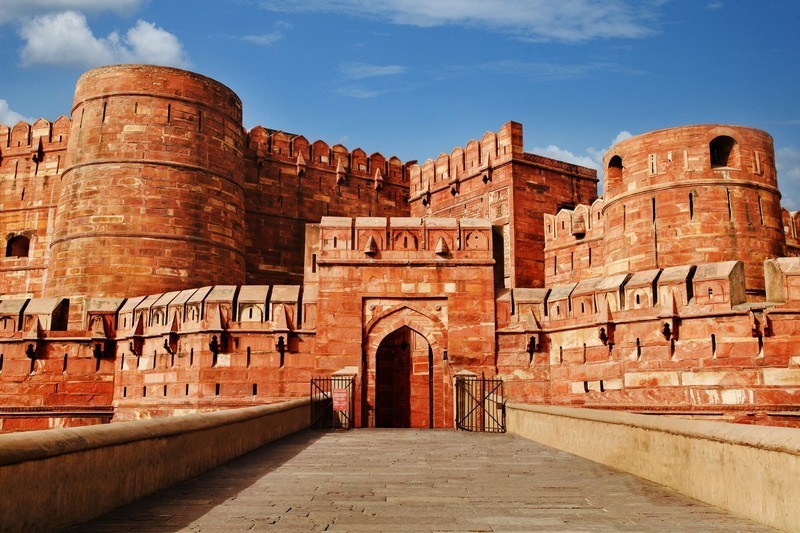
The Kakatiya dynasty (12th–14th century CE) emerged from the Telangana region, evolving from local feudatories under the Kalyani Chalukyas to a sovereign imperial power. Their rule, centered at Orugallu (modern-day Warangal), represents a period of significant consolidation of political, economic, and architectural power in the Eastern Deccan.
Political Trajectory and Sovereignty
The Kakatiyas functioned as military commanders (Samantas) under the Western Chalukyas before establishing independence during the decline of Chalukyan hegemony.
- Beta I is considered the first significant ruler who established the clan’s control over the region.
- Prola II (1110–1158 CE) declared sovereignty after taking advantage of the turmoil between the Western Chalukyas and the Cholas.
- Ganapati Deva (1199–1262 CE) was the greatest ruler of the dynasty, expanding the empire to include coastal Andhra and parts of the Krishna-Godavari delta.
- Rudramadevi (1262–1289 CE) is one of the few recognized female monarchs in Indian history; she successfully defended the kingdom against the Seuna Yadavas of Devagiri and consolidated internal administration.
- Prataparudra (1289–1323 CE) was the final major sovereign, overseeing the empire during the period of intense pressure from the Delhi Sultanate.
Interaction with Contemporary Powers
The Kakatiyas were strategically positioned between the powers of the Deccan and the Tamil country, leading to complex diplomatic and military relations.
| Power | Nature of Interaction |
| Kalyani Chalukyas | Served as loyal feudatories; their decline provided the impetus for Kakatiya independence. |
| Cholas | Contested influence in the border regions of the Krishna-Godavari delta; the decline of the Chola empire facilitated Kakatiya expansion into coastal Andhra. |
| Seuna Yadavas | Primary military rivals; frequent wars were fought over the control of the northern borders and territorial prestige. |
| Hoysalas | Occasional rivals for regional dominance; often formed alliances to counter the external threat posed by the Delhi Sultanate. |
| Delhi Sultanate | Faced the initial raids of Alauddin Khalji and the eventual catastrophic invasions by Ghiyas-ud-din Tughlaq in 1323 CE. |
Administrative and Economic Organization
The Kakatiya state was characterized by a sophisticated administrative system designed to extract surplus from an agrarian economy.
- Nayankara System: The administration was built on the Nayankara system, where land was assigned to military commanders (Nayaks) in exchange for military service and revenue. This system later heavily influenced the Vijayanagara administration.
- Irrigation Infrastructure: The Kakatiyas are renowned for their massive investment in tank irrigation. Thousands of tanks (Cheruvus) were excavated to ensure water security in the semi-arid Telangana plateau, which remains the backbone of the region’s agriculture today.
- Trade and Commerce: The empire focused on international trade via the port of Motupalli. Ganapati Deva issued the Motupalli Inscription, which granted customs concessions to foreign merchants to encourage maritime trade.
Architectural Legacy: The Kakatiya Style
The Kakatiya architectural idiom is a synthesis of Chalukyan and Dravidian elements, distinguished by the use of sandstone and ornate, intricate carvings.
- Star-Shaped Plans: Similar to the Hoysalas, Kakatiya temples often utilized star-shaped (Trikuta) plans.
- Thoranam Gateways: The four massive free-standing stone Thoranam (gateways) at the Warangal Fort are the iconic symbols of Kakatiya architectural grandeur.
- Notable Structures: The Ramappa Temple (Rudreshwara Temple) in Palampet is a UNESCO World Heritage site, famous for its lightweight, floating bricks and its complex, intricate wall sculptures. The Thousand Pillar Temple in Hanumakonda is another exemplar of the style.
Social and Cultural Contributions
The Kakatiya period witnessed a vibrant synthesis of regional culture and religious practice.
- Literature: The court patronized both Sanskrit and Telugu. The Prataparudra Yashobhushanam by Vidyanatha provides significant historical insights into the royal genealogy and administration.
- Religion: The kingdom promoted a syncretic environment where Shaivism (particularly the Pasupata sect) flourished alongside Vaishnavism and Jainism.
- Social Stratification: The Nayankara system allowed for increased social mobility for local military elites, leading to the rise of new warrior classes in the Andhra-Telangana region.
Decline and Collapse
The end of the Kakatiya Empire was the direct result of the expansionist policies of the Tughlaq dynasty of Delhi.
- 1310 CE: The first major invasion by Malik Kafur under Alauddin Khalji resulted in the looting of the capital and forced heavy tribute payments.
- 1323 CE: Ulugh Khan (later Muhammad bin Tughlaq) launched a final campaign against Prataparudra. After a fierce defense of the Orugallu fort, Prataparudra was defeated and captured, marking the formal end of the Kakatiya dynasty.
- Post-Collapse: The fall of the Kakatiyas created a power vacuum that led to the formation of the Musunuri Nayak rebellions and eventually the rise of the Vijayanagara Empire and the Bahmani Sultanate.
Key Historical Trivia
- Marco Polo: The Venetian traveler, who visited the region during the reign of Rudramadevi, praised the administration and the wealth of the kingdom.
- The Koh-i-Noor Diamond: Historical accounts suggest that the famous diamond was originally part of the temple treasures in the Kakatiya kingdom before being taken to Delhi after the 1323 conquest.
- Naval Connection: Despite being an inland empire, the Kakatiya control of coastal Andhra made them a significant maritime force in the Bay of Bengal, regulating trade between the Deccan and Southeast Asia.