
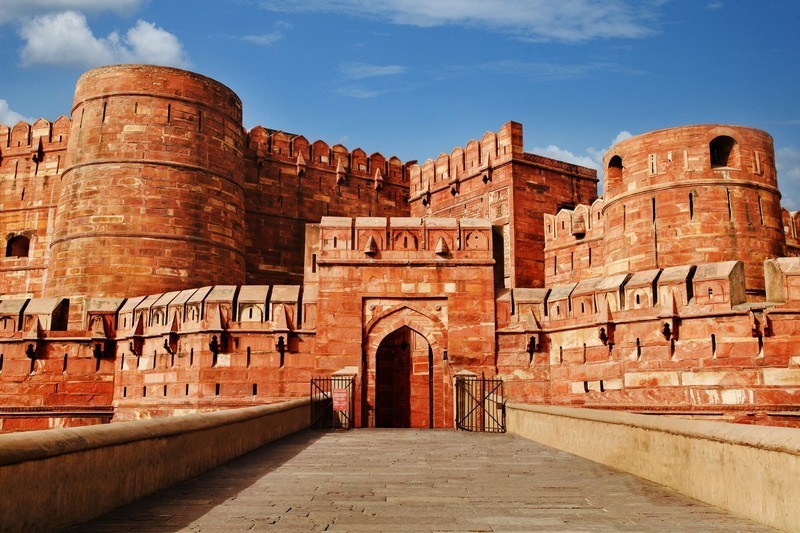
Trade under the Vijayanagara Empire (1336–1646 CE) served as a vital economic lifeline, transforming the capital city of Hampi into one of the largest medieval commercial hubs in Asia. The state economy relied on a highly monetization-friendly environment, backed by robust agrarian surpluses and an extensive network of specialized urban markets (Angadis). The empire’s unique geographical positioning, spanning the Deccan plateau and controlling critical coastlines along both the Arabian Sea and the Bay of Bengal, allowed it to act as a bridge for transcontinental commerce.
The Minting System and Currency Architecture
The imperial economy was highly monetized, featuring a sophisticated multi-tier currency framework. The state operated multiple mints (Tankanashalas) under strict royal oversight. The currency system included:
| Currency Name | Metal Composition | Weight/Value Context | Administrative Terminology |
| Varaha / Gadyana / Pon | Gold | Standard gold coin (~52 grains), featured images of Hindu deities (e.g., Balakrishna, Venkatesvara) and animals like the mythical Ganda-Bherunda (two-headed eagle). | Primary currency for international trade and large state transactions. |
| Pratapa / Mada | Gold | Half the value of a Varaha. | Used for provincial revenue and mid-tier commerce. |
| Kati | Gold | One-fourth of a Varaha. | Fractional gold currency. |
| Pana | Gold / Silver | Fractional unit (usually 1/10th of a Varaha). | Used for market transactions and daily wages. |
| Tar | Silver | Small silver coin. | Utilized for standard retail trade. |
| Jital / Kasu | Copper | Base metal coin. | Lowest denomination for local retail exchange. |
External Trade and Maritime Networks
Port Infrastructure and Commercial Zones
The empire controlled over 30 major ports across the dual coastlines of South India. The western coast, handled via the Malabar and Kanara regions, was anchored by ports like Bhatkal, Mangalore, Honnavar, and Barkur. The eastern coast, or the Coromandel region, was dominated by ports like Motupalli, Pulicat, Masulipatnam, and Nagapattinam. Bhatkal served as the principal imperial port for direct interactions with Portuguese Goa and West Asian maritime routes.
Import and Export Matrices
Vijayanagara maintained a highly favorable balance of trade, exporting high-value manufactured items and agricultural goods while importing critical military assets and luxury items:
Major Imperial Imports
- War Horses: High-quality Arabian and Persian steeds were imported via the Portuguese and Arab merchants to sustain the imperial cavalry. Rulers like Krishna Deva Raya paid premium prices for exclusive rights to these animals.
- Elephants: Large battle elephants were regularly brought in from Jaffna (Sri Lanka) and Pegu (Myanmar).
- Luxury Textiles and Raw Materials: Velvet and silk from China, damask from Persia, and high-quality copper, lead, tin, and mercury from European networks.
- Precious Elements: Pearls from the Gulf of Mannar and Ormuz, and coral from the Mediterranean Sea.
Major Imperial Exports
- Textiles: Calicoes, muslins, and printed cotton clothes manufactured in the Coromandel region were shipped to Southeast Asia, Persia, and East Africa.
- Spices: Black pepper from the Malabar coast, ginger, cardamom, and cinnamon.
- Minerals and Precious Stones: Diamonds from the Kollur mines (Golconda border regions) and iron/steel sheets from central Karnataka.
- Agricultural Commodities: Rice, sugar, sandalwood, and coconut products exported to West Asian markets.
Internal Trade Dynamics, Guilds, and Market Structures
Merchant Guilds and Monopoly Formations
Domestic and long-distance internal trade was heavily institutionalized through autonomous merchant guilds that cut across caste lines. These guilds maintained their own mercenary armies to protect trade caravans (Carbany) from highway robbery. The primary guild networks included:
- The Veera Panchalas: A highly organized guild comprising artisans, blacksmiths, goldsmiths, and coppersmiths who regulated the production and local pricing of metallic commodities.
- The Ayyavole-Five Hundred (Aihole Guild): A historic, transnational merchant body that continued to operate extensive networks across South India, managing long-distance overland trade.
- The Chettis and Komatis: Dominant merchant castes specializing in banking, currency exchange, and high-value gemstone trading.
- The Nanadesis: A distinct group of itinerant traders who moved goods across regional borders, dealing directly with coastal ports.
The Hampi Market Infrastructure
The capital city featured highly specialized, segmented markets. Foreign chroniclers like Domingos Paes noted that each trade guild had its own dedicated street in Hampi. Prominent examples included the Virupaksha Bazaar for stones and textiles, the Vitthala Bazaar, and specific zones dedicated entirely to the trade of livestock, grains, and precious metals.
Fiscal Policy, Revenue Administration, and State Regulation
Tariffs, Tolls, and Commercial Taxation
The Vijayanagara state derived a massive portion of its central treasury revenue (Athavana) from trade-related levies, supplementary to land revenue. The taxation system was highly structured:
- Sunka / Shulka: Customs duties and transit tariffs levied on goods entering city gates, passing through provincial checkpoints, or docking at maritime ports.
- Santhe-Sunka: A specific market tax imposed on weekly rural bazaars (Santhes).
- Vasal-Sunka: A license fee or shop tax levied on permanent commercial establishments within urban centers.
- Stala-Adikari / Sunka-Adikari: Designated state officials posted at strategic road intersections, mountain passes (Ghats), and ports to estimate cargo value and collect duties.
State Monopoly and Infrastructure Support
The imperial government actively intervened to foster trade security. The state constructed a vast network of broad roads connecting the capital to coastal entry points, establishing fortified rest houses (Choultries) for traveling merchants. Rulers implemented lenient maritime laws to attract foreign traders; for example, the state guaranteed protection of property to foreign merchants whose ships shipwrecked off the imperial coast, a departure from standard medieval practices.
Foreign Accounts and Historical Epigraphy
Chronicles of Global Observers
The scale and wealth of Vijayanagara trade are verified by extensive cross-cultural documentation from medieval travelers:
- Abdur Razzaq (1443 CE): The Persian envoy detailed the immense wealth of the Hampi jewelers, noting that open markets sold pearls, rubies, emeralds, and diamonds without fear of theft, indicating highly efficient internal policing.
- Domingos Paes (1520 CE) & Fernao Nuniz (1535 CE): The Portuguese chroniclers described the port of Bhatkal as packed with ships from Africa, Arabia, and China, and highlighted the absolute state monopoly maintained by the Portuguese over the lucrative horse trade with King Krishna Deva Raya.
- Duarte Barbosa (1516 CE): Documented the highly active coastal trade in textiles and rice along the western coast, noting the presence of expatriate communities of Arab, Persian, and Chinese merchants residing permanently in the imperial ports.
Epigraphical and Numismatic Trivia
- The Motupalli Pillar Inscription: Re-endorsed by later Vijayanagara rulers, this famous inscription granted absolute safety and fixed tax rates to foreign maritime traders entering the Coromandel coast.
- Diamond Supremacy: During the 15th and 16th centuries, the Vijayanagara Empire was the primary supplier of large diamonds to European and West Asian royal courts, sourced mainly from the alluvial deposits of the Krishna and Penner river basins.