
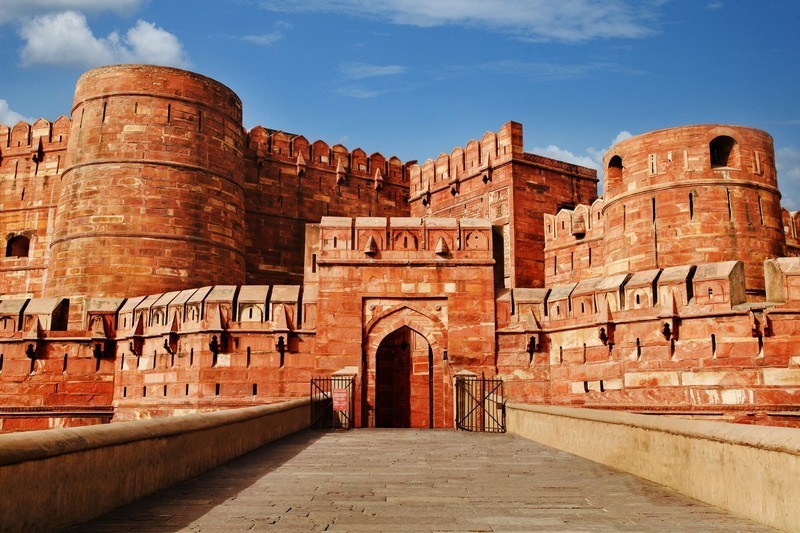
The Warangal campaign was a major military expedition directed by Alauddin Khalji against the Kakatiya dynasty in the Deccan. Unlike the earlier subjugation of Devagiri, this campaign was a direct attempt to extract the immense wealth of the Kakatiya capital and secure a permanent tributary relationship with the most powerful kingdom in the Telugu-speaking region.
Context and Strategic Objectives
The Kakatiyas of Warangal were known for their flourishing trade in textiles, minerals, and their control over the diamond mines of Golconda. Alauddin Khalji, seeking to replenish the imperial treasury and secure the southern frontier, ordered Malik Kafur to march against the kingdom.
- Kakatiya Ruler: The campaign was fought against the Kakatiya monarch Prataparudra II.
- Strategic Goal: The objective was to force the surrender of the king, extract the regional wealth (including the fabled Koh-i-Noor diamond), and secure regular annual tribute.
- Military Logistics: Malik Kafur led a massive force, departing from Delhi and utilizing the logistical support provided by the now-vassal Yadava ruler of Devagiri.
Course of the Military Expedition
The siege of Warangal showcased the advanced siege-craft and logistical planning of the Khalji army. The Kakatiyas, well-versed in the defense of their dual-fortified capital, provided one of the most stubborn resistances faced by the Sultanate in the Deccan.
- Siege Operations: Upon reaching Warangal, the Sultanate army invested the fortress. They constructed advanced siege platforms and utilized stone-throwing machines (manjaniqs) to breach the outer fortifications.
- The Dual Fortress: Warangal was protected by two lines of defenses: an outer wall of mud and an inner wall of stone. Malik Kafur’s troops systematically dismantled these defenses over several months.
- Prataparudra’s Surrender: Recognizing the eventual inevitability of the fort’s collapse and the massive loss of life, Prataparudra II initiated negotiations. He agreed to surrender a massive amount of treasure, gold, and horses to save his kingdom from total destruction.
Terms of Submission and Wealth Extraction
The outcome of the Warangal campaign was one of the most significant financial windfalls in the history of the Delhi Sultanate.
- Tribute Payment: Prataparudra II committed to paying an annual tribute to the Sultanate, effectively becoming a subordinate ally.
- Treasure and Diamonds: The loot included vast quantities of gold, silver, thousands of horses, and elephants. Contemporary chroniclers like Amir Khusrau and Ziauddin Barani highlight that the wealth was so immense that it required hundreds of camels to transport it back to Delhi.
- The Koh-i-Noor Diamond: Historical consensus suggests that the legendary Koh-i-Noor diamond was part of the treasure handed over by the Kakatiya ruler during this submission.
Key Historical and Strategic Significance
The Warangal campaign set a precedent for the Sultanate’s engagement with South Indian powers, prioritizing financial exploitation over direct territorial administration.
- Shift in Southern Policy: The campaign proved that it was more profitable to allow local rulers to govern as tributaries than to attempt to hold distant territories directly, which would have required unsustainable garrisoning costs.
- Intelligence and Scouting: The success of the campaign highlighted the Sultanate’s effective use of regional informants and the strategic importance of the Yadava-Kakatiya territorial corridors.
- Impact on the Khalji Economy: The influx of wealth from Warangal was critical in maintaining the price-control mechanisms established by Alauddin, ensuring that his standing army remained well-funded during periods of famine or high defensive expenditure.
Summary Table for Prelims
| Feature | Details |
| Year | 1309–1310 CE |
| Kakatiya Ruler | Prataparudra II |
| Sultanate Commander | Malik Kafur |
| Capital City | Warangal |
| Key Outcome | Payment of annual tribute and surrender of immense wealth |
| Notable Artifact | Koh-i-Noor Diamond |
Trivia for Aspirants
- The Kakatiya dynasty is celebrated in Indian history for the construction of the Thousand Pillar Temple in Hanamkonda and the development of intricate irrigation systems (tanks) that sustained the Deccan agriculture.
- Amir Khusrau, who accompanied the expedition, provided a vivid description of the two-layered fortification of Warangal, noting the resilience of the Kakatiya soldiers.
- The submission of Warangal effectively dismantled the Kakatiya independence, though the dynasty continued to rule as vassals until the later rise of the Tughlaq dynasty, when the region was formally annexed.