
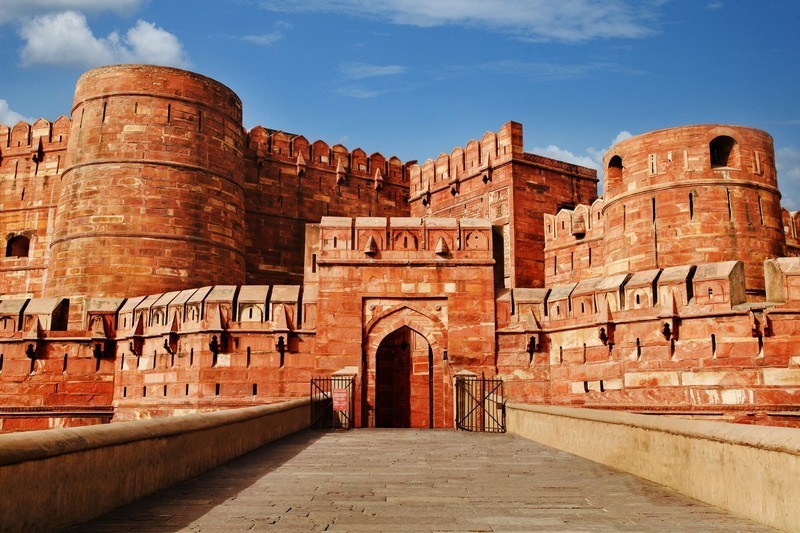
The Malwa campaign was a pivotal military expedition undertaken by Alauddin Khalji in 1305 CE. Malwa, located in central India, was a prosperous region known for its fertile soil, trade routes, and strategic connectivity between Northern India and the Deccan. Following the consolidation of Ranthambore and Chittor, the conquest of Malwa was essential for the Khalji Sultanate to secure the central trade arteries and eliminate any independent power centers that could threaten the Sultanate’s southern march.
Course of the Military Campaign
Alauddin Khalji appointed Ain-ul-Mulk Multani, a highly capable military commander and administrator, to lead the expedition against the ruler of Malwa, Mahlak Deo.
- The Sultanate army consisted of a large force, reflecting the seriousness of the campaign and the region’s defensive strength.
- The primary engagement took place near Mandu, the formidable capital of Malwa. Despite the strength of the Malwa army, the Sultanate forces utilized superior tactical maneuvers and effective use of heavy cavalry to decisively defeat the defending forces.
- Mahlak Deo was killed during the battle, and his commander, Koka Pradhan, was also defeated and slain by the Sultanate army.
- Following the victory at Mandu, the Sultanate forces systematically occupied key urban centers, including Ujjain, Dhar, and Chanderi.
Administrative and Political Aftermath
Following the successful conquest, Alauddin implemented a structured administrative system to integrate Malwa into the Sultanate’s provincial framework.
- Ain-ul-Mulk Multani was appointed as the governor of Malwa, responsible for revenue collection, maintaining order, and overseeing the region’s strategic defense.
- The region was integrated into the centralized administrative system, with local officials (Khuts and Muqaddams) brought under the direct surveillance of the Delhi government.
- The conquest ensured that the entire region, serving as a gateway to the Deccan, came under the direct control of the Delhi Sultanate, significantly reducing the threat of rebellion in the heartland of the subcontinent.
Key Strategic and Economic Impacts
The acquisition of Malwa provided Alauddin with substantial fiscal and logistical benefits that supported his broader imperial ambitions.
- Economic Prosperity: The fertile plains of Malwa contributed significantly to the state’s agricultural tax revenues, further strengthening the Sultanate’s ability to maintain its large standing army.
- Trade Security: By controlling the trade routes passing through Malwa, the Sultanate was able to regulate the flow of goods between the coastal regions of Gujarat and the northern markets, further benefiting the state’s economic and market control policies.
- Buffer Zone: Malwa acted as a critical buffer zone that protected the Delhi Sultanate from potential incursions from regional powers in the central and southern parts of the country.
Key Facts for UPSC Prelims
| Feature | Details |
| Year | 1305 CE |
| Sultanate Commander | Ain-ul-Mulk Multani |
| Malwa Ruler | Mahlak Deo |
| Major Battle Site | Mandu |
| Administrative Status | Directly integrated into the Delhi Sultanate |
- Ain-ul-Mulk Multani, the architect of the victory, is noted by historians as one of the most intellectually gifted and administratively skilled officials in Alauddin’s service.
- The fall of Malwa is recorded in the Khazain-ul-Futuh of Amir Khusrau, who provides detailed insights into the military tactics employed by Ain-ul-Mulk Multani.
- The successful annexation of Malwa effectively marked the completion of the Khalji Sultanate’s major northern expansion, allowing for the subsequent shift in focus to the Deccan under the leadership of Malik Kafur.
- Unlike the Rajput campaigns, which were often characterized by intense resistance and Jauhar, the Malwa campaign proceeded with greater administrative consolidation, underscoring the shift from purely military conquest to systemic integration.