
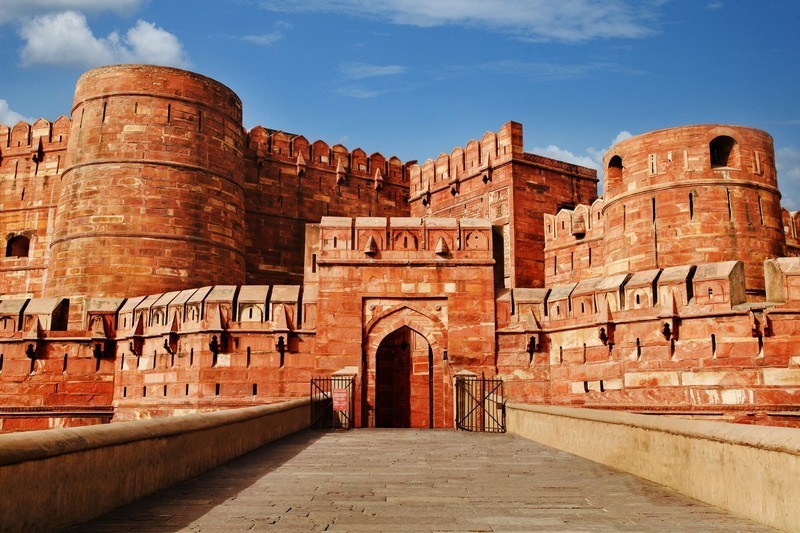
Alauddin Khalji (1296–1316 CE) transformed the Delhi Sultanate from a decentralized feudal structure into a highly centralized autocratic state. His governance was defined by the necessity of sustaining a massive standing army to repel frequent Mongol invasions and facilitate extensive territorial expansion. His centralization strategy targeted the nobility, the agrarian economy, and the information network of the empire.
Curbing the Nobility and Controlling Dissent
Alauddin believed that the power of the nobility was a direct threat to the Sultan’s absolute authority. He implemented rigorous social and political controls to neutralize aristocratic influence.
- Prohibition of Socializing: The Sultan forbade the nobility from holding private banquets, social gatherings, or inter-marrying without his express royal permission.
- Intelligence Network: He established an elaborate espionage system consisting of Barids (official news reporters) and Munhians (secret spies). They monitored the activities, private discussions, and potential conspiracies of the nobles.
- Ban on Alcohol and Gambling: To prevent clandestine meetings where conspiracies were often hatched, Alauddin enforced a total prohibition on the consumption and sale of wine and intoxicating drugs in Delhi.
- Confiscation of Property: The Sultan confiscated the lands of nobles and abolished the system of free grants (Inams and Waqfs), bringing all land under the direct control of the state (Khalisa land).
Agrarian Reforms and Revenue Centralization
Alauddin’s agrarian policy was driven by the need for maximum state revenue to finance his military requirements. He moved away from the traditional middleman system to direct state control over production.
- Land Measurement (Paimaish): He introduced the measurement of land to accurately assess the area under cultivation, moving away from rough estimates.
- Taxation Structure: He mandated that all land revenue be collected in cash. He raised the state’s share of produce to 50% (Kharaj).
- Additional Levies: Beyond the land tax, he introduced Charai (grazing tax on milch animals) and Ghari (house tax), significantly widening the tax base.
- Curbing Middlemen: He curtailed the traditional privileges of local officials such as Khuts, Muqaddams, and Chaudharis. He ensured they were subject to the same tax demands as the common peasantry, effectively dismantling their local power bases.
Market Control Policy (Zawabit)
The Market Control Policy is the most distinct feature of Alauddin’s centralization. It was designed to keep the cost of living low in Delhi, enabling the Sultan to maintain a large army on modest salaries without triggering inflation.
- Three Dedicated Markets: He established separate markets in Delhi for food grains (Mandi), manufactured goods (Sera-i-Adl), and horses/slaves/cattle.
- Price Fixation: The prices of all essential commodities, from wheat and pulses to needles and horses, were strictly fixed by the state.
- Appointment of Officials: He appointed the Shahna-i-Mandi (Superintendent of the Market) to enforce price regulations and oversee trade practices.
- Supply Chain Management: The Sultan established state granaries to ensure a steady supply of grain even during bad harvests, preventing hoarding and artificial shortages.
Military Centralization: Dag and Chehra
To maintain a loyal and efficient fighting force, Alauddin removed the discretionary power of military commanders over their troops.
- Standing Army: He was the first Sultan of Delhi to maintain a large, permanent, and centrally paid standing army.
- Dag (Branding): He introduced the Dag system, where state-owned horses were branded to prevent corruption and the substitution of high-quality horses with inferior ones.
- Chehra (Descriptive Rolls): He maintained the Chehra, a detailed descriptive roll for every soldier, to ensure that only verified troops were present and to prevent ghost-enlistment.
- Cash Salaries: Soldiers were paid directly in cash from the central treasury, weakening the traditional Iqta system where commanders exercised semi-autonomous control over their assigned territories.
Summary of Centralized Governance Mechanisms
| Mechanism | Purpose |
| Barids and Munhians | Surveillance of nobles and bureaucracy. |
| Khalisa Land | Maximizing state revenue by eliminating intermediaries. |
| Dag and Chehra | Ensuring efficiency and loyalty of the standing army. |
| Price Control | Sustaining a large military force on limited state salaries. |
Historical Significance of Alauddin’s Centralization
Alauddin’s reforms shifted the nature of the Sultanate from a tribal confederation of military leaders to a centralized bureaucratic empire.
- State over Religion: Alauddin famously remarked that he acted according to the needs of the state rather than the mandates of the Ulema or Sharia. This assertion of supreme royal authority signaled a departure from religious interference in administrative matters.
- Stability through Control: His policies successfully prevented internal revolts during his reign and ensured that the Sultanate remained militarily formidable.
- Long-term Impact: The administrative, revenue, and military frameworks established by Alauddin served as a structural prototype for the later administrative systems adopted by the Tughlaqs and eventually the Mughal Empire.
- Dependency on Sultan: The extreme centralization meant that the stability of the empire was highly dependent on the personal capability of the ruler. Following Alauddin’s death, the lack of an equally strong centralized authority led to rapid dynastic decline.