
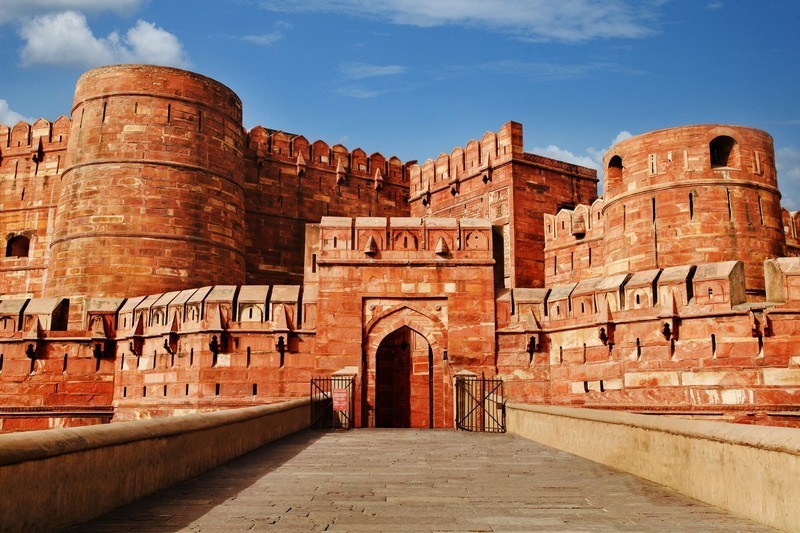
The decline of the Gupta Empire led to the collapse of centralized imperial authority in northern India. This power vacuum necessitated the rise of regional kingdoms characterized by decentralized governance, the dominance of landed intermediaries, and the consolidation of regional cultural identities. This period serves as the bridge between the classical age and the establishment of the Delhi Sultanate.
Mechanisms of Political Rise
The rise of regional powers was predicated on specific socio-political and economic shifts that moved authority away from a central monarch toward regional hubs.
- Emergence of Samantas: The state increasingly relied on subordinate rulers, or Samantas, to maintain order and collect revenue. Over time, these feudatories exerted greater autonomy and established independent dynasties when the central government weakened.
- Expansion of Agrarian Frontiers: Kings incentivized the clearing of forests and the expansion of cultivation through land grants (Agraharas and Brahmadeyas). This integrated peripheral regions into the political economy, providing new tax bases for emerging regional kings.
- Legitimization through Rituals: To compensate for their lack of traditional Kshatriya lineage, new dynasties performed elaborate Vedic rituals like the Hiranyagarbha (Golden Womb) and Ashvamedha. These rituals, supervised by Brahmanical elites, transformed local tribal chiefs into legitimate monarchs.
- Prashastis and Genealogy: Court poets composed elaborate eulogies, or Prashastis, which connected dynasties to mythical lineages (Suryavansha or Chandravansha) to establish social prestige and divine sanction for their rule.
Major Regional Power Centers
The political landscape was defined by distinct regional dynasties that dominated specific geographical corridors, influencing the cultural and administrative trajectory of their domains.
| Dynasty | Region | Significance |
| Gurjara-Pratiharas | Western India | Acted as the primary defenders against Arab incursions from Sindh. |
| Palas | Bengal and Bihar | Patronized Mahayana Buddhism; established famous universities like Vikramshila. |
| Rashtrakutas | Deccan Plateau | Known for patronage of the Kailasa Temple at Ellora; mediated northern power struggles. |
| Chandellas | Bundelkhand | Famous for the Nagara style architecture seen at Khajuraho. |
| Gahadavalas | Kannauj (Ganga Valley) | Prominent successors to the Pratiharas; known for land grant copper plates. |
| Paramaras | Malwa | Intellectual hub under Raja Bhoja; known for Sanskrit scholarship. |
| Chahamanas | Rajasthan | Strategically controlled the Ajmer region; faced early Ghurid invasions. |
The Tripartite Struggle for Kannauj
Kannauj emerged as the symbolic center of imperial authority in northern India. Its control provided access to the fertile Ganga-Yamuna Doab and the trade routes of the north.
- Participants: The conflict involved the Gurjara-Pratiharas, the Palas, and the Rashtrakutas.
- Duration: The struggle persisted for nearly two centuries (8th to 10th century CE), exhausting the resources of all three powers.
- Outcome: The prolonged warfare prevented any single power from establishing a lasting pan-Indian empire, ultimately accelerating political fragmentation and leaving the region vulnerable to subsequent external invasions.
Administrative and Military Characteristics
The administration of these regional kingdoms reflected a transition toward localized control, often prioritizing the interests of landholding elites.
- Hereditary Bureaucracy: Administrative roles, particularly at the local level, became hereditary, ensuring that regional families maintained a firm grip on village-level revenue collection.
- Feudal Military Levies: Rather than maintaining a professional standing army, monarchs relied on military contingents provided by Samantas. This created a fragile military structure dependent on the continued loyalty of subordinate lords.
- Temple-Centric Governance: In South India, temples evolved into primary administrative centers. They functioned as banks, landholders, and local judicial bodies (e.g., Sabhas and Urs), effectively decentralizing political power to the grassroots level.
- Revenue Decentralization: Significant portions of land revenue were assigned to officials or religious donees, reducing the net surplus reaching the royal treasury and limiting the king’s ability to exert direct control over remote provinces.
Socio-Cultural Integration
The period of regionalization was also a time of significant cultural synthesis, as regional kingdoms fostered unique identities that shaped the Indian subcontinent.
- Growth of Regional Languages: The decline of Sanskrit’s monopoly led to the development of early regional languages, including Apabhramsha, which eventually paved the way for modern languages like Bengali, Marathi, and Gujarati.
- Temple Architecture: Distinct regional styles of temple architecture emerged, such as the Nagara style in the north and the Dravida style in the south, reflecting the patronage of regional rulers.
- Integration of Local Deities: The state facilitated the adoption of local tribal deities into the Puranic Brahmanical fold, which helped solidify the authority of kings among rural and tribal populations.
- The Bhakti Shift: The movement toward devotional religion (Bhakti) began gaining momentum, emphasizing direct personal connection with the deity, which appealed to a broader socio-economic spectrum than the older Vedic rituals.