
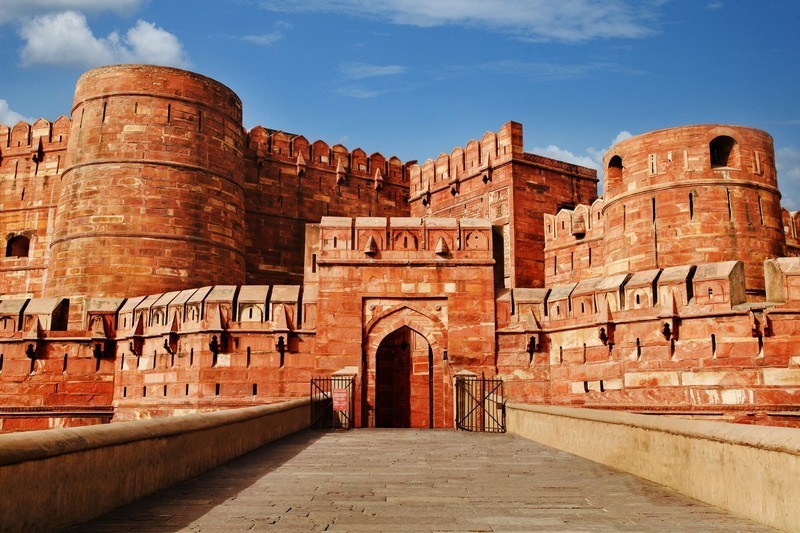
The Kalachuris were a significant political power in medieval India, ruling primarily over the region of Dahala (modern-day Bundelkhand and surrounding areas in Madhya Pradesh), with their capital at Tripuri near Jabalpur. They belonged to the Haihaya clan and claimed descent from Kartavirya Arjuna. While several branches of the Kalachuris existed, the Kalachuris of Tripuri (Chedi dynasty) are the most significant in the context of North Indian politics during the early medieval period.
Key Historical Rulers
The Kalachuris rose to prominence through strategic marriages and military expansion during the 10th and 11th centuries. Kokalla I (c. 850–890 CE): The founder of the Tripuri branch who established the kingdom’s power base. He is noted for his matrimonial alliances with the Rashtrakutas and the Chandellas, which integrated the Kalachuris into the regional power network. Gangeyadeva (c. 1015–1041 CE): The most prominent Kalachuri ruler who adopted the title Vikramaditya. He expanded the empire’s influence toward the Gangetic plains and successfully clashed with the Gahadavalas and the Paramaras. Karna (c. 1041–1073 CE): Son of Gangeyadeva, he was a highly ambitious ruler known as the “Napoleon of India” due to his relentless expansionist campaigns. He achieved significant victories against the Paramaras and the Chandellas, briefly dominating the political landscape of Central India.
Strategic Geopolitics and Conflict
The Kalachuris occupied a central location that made them critical players in the power struggles of medieval India. Interactions with Neighbors: The Kalachuris were frequently involved in tripartite-style conflicts with the Paramaras of Malwa and the Chandellas of Bundelkhand. These rivalries were driven by the need to control the fertile river valleys and the trade routes connecting Northern and Southern India. Triangular Power Struggle: The relationship between the Kalachuris, Chandellas, and Paramaras often shifted between military hostility and diplomatic marriage alliances. This unstable political landscape allowed no single power to dominate Central India for long. Resistance to Invasions: The Kalachuris, particularly during the reign of Karna, maintained the military tradition of defending the Central Indian plateau against the encroaching influences from the west and the south.
Administrative and Military Structure
The Kalachuri administration followed the typical decentralized feudal model of the Rajput era. Governance: The kingdom was divided into provinces managed by royal princes or high-ranking officials. The central government maintained control through a complex web of land grants and vassal obligations. Military Composition: The Kalachuri army consisted of a strong infantry and elephant corps, which were particularly effective in the forested and rugged terrains of the Dahala region. Cavalry remained an essential, though secondary, component compared to their western neighbors like the Gurjara-Pratiharas. Fiscal Base: The state’s wealth was generated through agriculture and the collection of taxes on trade passing through the Narmada valley. They also issued their own gold and silver coinage, which reflects the economic stability of their reign.
Cultural and Literary Patronage
The Kalachuri court was a vibrant center for Sanskrit literature and architectural development. Literary Patronage: The rulers were generous patrons of scholars and poets. The court of Karna, in particular, was famous for hosting renowned literary figures, contributing to the development of Sanskrit classical literature. Architectural Legacy: The Kalachuris patronized the construction of several Hindu temples in Central India. Their architectural style blended influences from the Nagara tradition with local Central Indian aesthetic preferences, evident in the temples around Jabalpur and the Bilhari region. Religious Policy: The dynasty was primarily Shaivite. They were major patrons of the Pashupata and Matta-mayura sects of Shaivism, which gained significant influence in the region during their rule.
Decline and Collapse
The Kalachuri empire faced a steady decline due to internal instability and the rising power of neighboring states. Erosion of Power: By the 12th century, the Kalachuris faced pressure from the rising Gahadavalas to the north and the Chandellas to the west. The loss of territorial control weakened the central authority, leading to the fragmentation of the kingdom. Rise of Local Feudatories: As the central authority at Tripuri weakened, many of the local governors and samantas declared independence, creating smaller, more localized principalities. Final Conquest: The dynasty eventually succumbed to the expansionist policies of the Delhi Sultanate and local regional powers, fading into historical obscurity by the early 13th century.
Key Facts for UPSC Prelims
| Feature | Details |
| Core Region | Dahala (Bundelkhand/Jabalpur region) |
| Capital | Tripuri |
| Clan Origin | Haihaya |
| Most Powerful Ruler | Karna (known as Napoleon of India) |
| Religious Patronage | Shaivism (Pashupata/Matta-mayura sects) |
| Primary Rivals | Paramaras, Chandellas, Gahadavalas |
UPSC Trivia for Prelims
The Kalachuri era is essential for understanding the transition of the Central Indian plateau from the post-Gupta period to the establishment of Sultanate rule. The inscriptions of the Kalachuris, particularly those from the reign of Karna, are vital for reconstructing the genealogical history of the Central Indian dynasties. Their coinage, featuring Lakshmi, significantly influenced the numismatic traditions of neighboring dynasties, including the Gahadavalas. The Kalachuri involvement in the political affairs of the Gangetic Doab is frequently used in historical analysis to explain why North India failed to achieve a unified front against external invasions during the 11th and 12th centuries.
Last Modified: June 17, 2026