
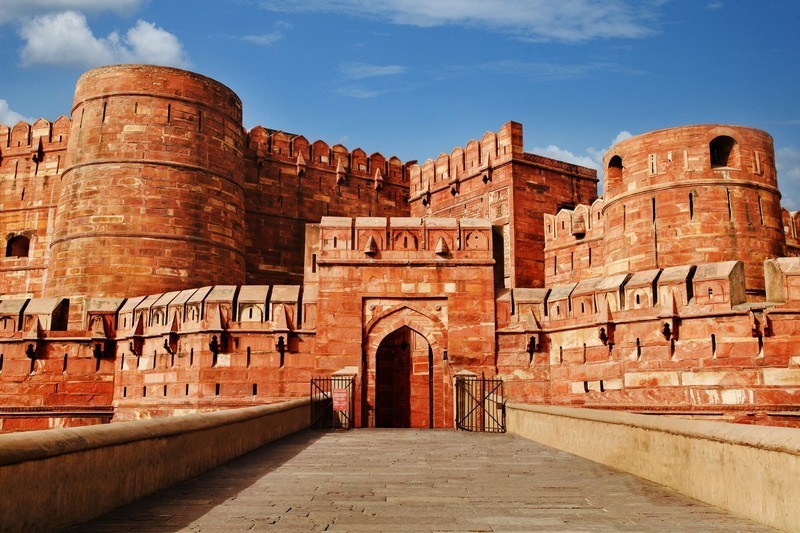
Urbanization during the Delhi Sultanate (1206–1526) was characterized by the growth of administrative centers, the expansion of military garrisons, and the intensification of trade and craft production. The rise of new cities was driven by the Sultanate’s centralized political structure and the need to manage a vast, resource-extracting agrarian economy.
Drivers of Urban Growth
The growth of urban centers during this period was not organic in the traditional sense but was heavily state-sponsored and military-oriented.
- Centralization of Power: The concentration of the ruling class in specific hubs created a massive demand for luxury goods, services, and high-value agricultural products, fostering urban markets.
- The Iqta System: The assignment of revenue-yielding territories encouraged the growth of regional administrative centers where Iqtadars lived, maintained troops, and collected taxes.
- Military Logistics: The necessity to maintain standing armies led to the establishment of “Garrison Cities” (Qasbas). These centers acted as collection points for agricultural surplus and distribution points for military supplies.
- Monetization: The introduction of standardized currency (Tanka and Jital) facilitated trade and the growth of a merchant class (Banjaras and Multanis) who specialized in long-distance trade, essential for supplying urban centers.
Key Urban Centers and Their Significance
The Sultanate period witnessed the birth of new capital cities and the transformation of existing towns into vibrant commercial nodes.
- Delhi: Evolved into a massive metropolis under successive dynasties. Its growth was fueled by its role as the seat of power and the central hub for the redistribution of wealth extracted from the countryside.
- Daulatabad: Muhammad bin Tughlaq’s attempt to move the capital to the Deccan highlighted the state’s effort to project power and control trade routes in Southern India.
- Lakhnauti (Bengal): A major center for textile production and international trade, integrated into the Sultanate’s economy through provincial governorships.
- Multan and Lahore: Critical nodes in the trade network connecting the Sultanate with Central and West Asia, facilitating the import of horses and luxury goods.
Socio-Economic Structure of Sultanate Towns
Urban centers were highly stratified, reflecting the political and economic realities of the medieval period.
- The Ruling Elite: Comprising the Sultan, high-ranking military commanders (Maliks and Amirs), and the Ulema, these groups were the primary consumers of urban luxury goods.
- The Mercantile Class: Merchants (specifically the Karwanis or Banjaras) formed the backbone of urban supply chains. The state often provided them with royal patronage to ensure stable prices in urban markets.
- The Artisan Class: Large-scale workshops (Karkhanas) emerged, particularly for textile production, metalwork, and weaponry. These workshops were often state-run or patronized by the nobility.
- Slaves: A significant portion of the urban population consisted of slaves (Bandagan), employed in both domestic services and as skilled labor in imperial workshops.
Technology and Infrastructure
The urban economy was bolstered by technological advancements and infrastructure projects aimed at improving trade efficiency.
- Textile Revolution: The introduction of the spinning wheel (charkha) significantly increased the scale of yarn production, turning textiles into a primary export commodity.
- Paper Technology: The spread of paper manufacturing facilitated the expansion of administrative record-keeping and the growth of a literate bureaucratic class.
- Irrigation and Infrastructure: Construction of tanks, canals (notably under Firoz Shah Tughlaq), and extensive road networks (connecting Delhi to major provinces) supported the food requirements of growing urban populations.
Summary of Urban Economic Indicators
| Feature | Impact on Urbanization |
| Karkhanas | Centralized production of luxury items for the state and nobility. |
| Sarais | Rest houses built along trade routes to support long-distance commerce. |
| Mandi | State-regulated grain markets that stabilized food prices for urban dwellers. |
| Money Economy | Enabled the shift from tax-in-kind to tax-in-cash, stimulating market demand. |
Trivia for Prelims
- Firoz Shah Tughlaq is credited with founding several cities, including Hissar, Firozabad, and Jaunpur.
- The term Qasba referred to a small town that served as an administrative and market center for the surrounding rural area.
- Ibn Battuta, a contemporary traveler, noted that Delhi was one of the largest cities in the world during the reign of Muhammad bin Tughlaq.
- The Sultanate period saw the formalization of the Dalal (broker) system, which acted as an intermediary between the producer and the urban consumer.