
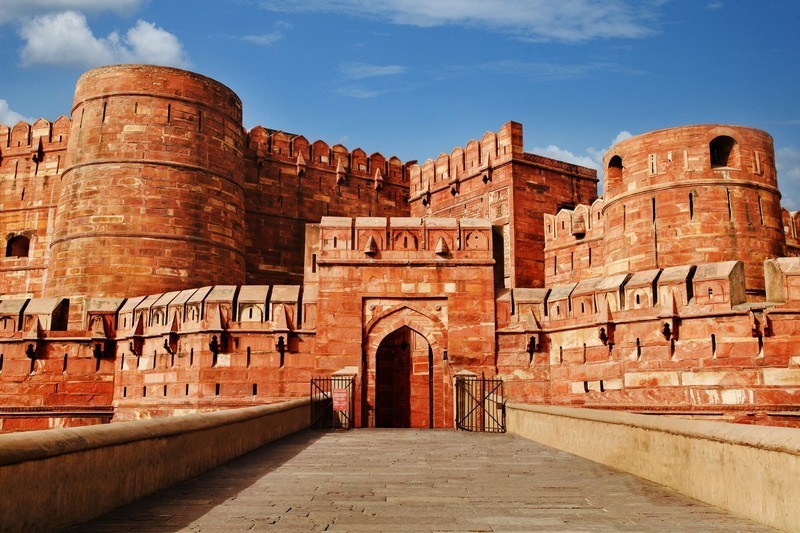
The Devagiri campaign marked the first major intrusion of the Delhi Sultanate into the Deccan plateau. The kingdom of Devagiri, ruled by the Yadava dynasty, was a wealthy and strategically located power in the western Deccan. Its conquest fundamentally altered the economic and military trajectory of the Khalji Sultanate.
Strategic Objectives and Context
The campaign against Devagiri was driven by a need for immense wealth to stabilize the Sultanate’s economy and fund its expansive military goals.
- Pre-emptive Strike: Prior to becoming Sultan, Alauddin Khalji, while serving as the governor of Kara, launched a daring, unsanctioned raid on Devagiri in 1294 CE. This raid demonstrated the vulnerability of the Deccan kingdoms and the potential for vast treasure extraction.
- The 1307 CE Expedition: After ascending the throne, Alauddin dispatched Malik Kafur to systematically subjugate Devagiri. The Yadava ruler, Ramachandra Deva, had defaulted on tribute payments and offered sanctuary to enemies of the Sultanate, including the family of the defeated Vaghela king, Karna Deva II.
- Economic Necessity: The wealth from the Deccan was crucial for sustaining Alauddin’s standing army and the price control system in Delhi.
Military Conduct of the Campaign
The campaign was characterized by swift maneuvering and the application of superior siege tactics that overwhelmed the Yadava forces.
- Leadership: Malik Kafur led the royal army, utilizing the intelligence and logistical support developed during earlier campaigns.
- Surrender of Ramachandra Deva: Recognizing the military superiority of the Sultanate forces, Ramachandra Deva surrendered without a prolonged conflict to avoid the total destruction of his capital.
- The Treaty of Submission: Unlike the campaigns in Northern India, which often resulted in annexation and Jauhar, the Devagiri campaign concluded with a treaty. Ramachandra Deva was taken to Delhi, where he was treated with honor, granted the title ‘Rai Rayan,’ and returned to his throne as a tributary vassal.
Impact and Strategic Significance
The successful submission of Devagiri served as the administrative and logistical base for all subsequent Khalji operations in the southern peninsula.
- Logistic Hub: Devagiri became the primary supply depot and staging ground for Malik Kafur’s subsequent expeditions into Warangal, Dwarasamudra, and Madurai.
- Tributary Model: The campaign established the ‘tributary model’ of the Delhi Sultanate, where local rulers were permitted to retain their administration in exchange for annual tribute and military support, ensuring long-term fiscal inflow.
- Cultural and Demographic Shift: The presence of the Sultanate army in Devagiri led to a gradual, permanent increase in the Muslim population in the region and the introduction of new administrative practices.
Key Facts for UPSC Prelims
| Feature | Details |
| Primary Commander | Malik Kafur |
| Yadava Ruler | Ramachandra Deva |
| Dates of Major Campaigns | 1294 CE (Raid), 1307 CE (Subjugation) |
| Significance | First Muslim expansion into the Deccan |
| Outcome | Yadava ruler became a tributary vassal |
- Ramachandra Deva remained a loyal ally to Alauddin Khalji for the remainder of his life, providing supplies and safe passage to the Sultanate forces during the expeditions against the Kakatiyas and Hoysalas.
- The raid of 1294 CE is often cited by historians as the event that provided Alauddin with the financial capital necessary to orchestrate the coup against his uncle, Jalaluddin Khalji.
- The Yadava capital, Devagiri, was later renamed Daulatabad by Muhammad bin Tughlaq when he attempted to shift the capital of the Delhi Sultanate.
- Amir Khusrau’s Khazain-ul-Futuh provides a detailed account of the campaign, noting that the immense wealth brought back from Devagiri enabled Alauddin to stabilize the economy of Delhi during a period of potential famine.