
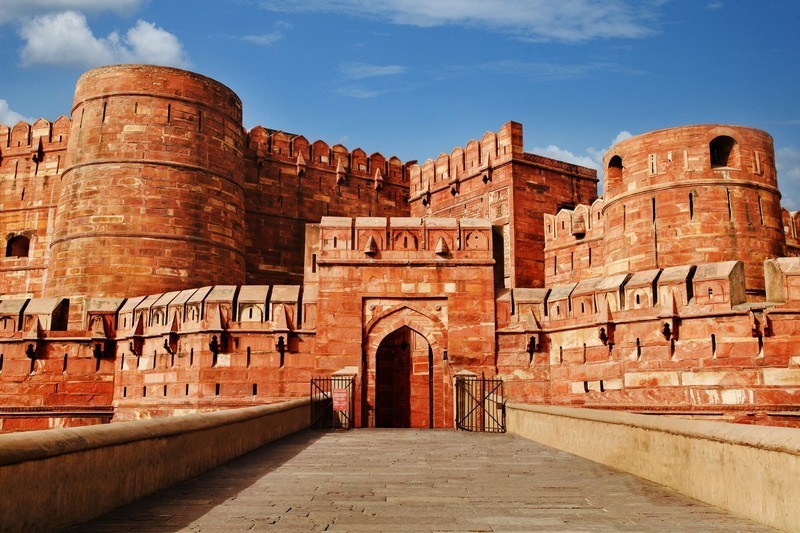
Hampi, located on the banks of the Tungabhadra River in Karnataka, served as the capital of the Vijayanagara Empire from 1336 to 1565 CE. Founded by two brothers, Harihara I and Bukka Raya I of the Sangama dynasty, the city was strategically chosen due to its natural defensive landscape. It is surrounded by rugged, monolithic granite boulders on three sides and the perennial Tungabhadra River on the fourth.
Chronology of Ruling Dynasties
The administration of Hampi shifted across four major dynasties, each contributing to its architectural and territorial expansion:
| Dynasty | Period (CE) | Prominent Rulers | Key Contributions to Hampi |
| Sangama | 1336–1485 | Harihara I, Bukka I, Deva Raya II | Initial fortification, Virupaksha temple expansions, early irrigation canals. |
| Saluva | 1485–1505 | Saluva Narasimha Deva Raya | Stabilization of the empire against regional sultanates; internal structural repairs. |
| Tuluva | 1505–1570 | Krishna Deva Raya, Achyuta Deva Raya | Zenith of Hampi’s architecture; construction of Vitthala and Hazara Rama temples. |
| Aravidu | 1570–1646 | Aliya Rama Raya, Venkata II | Capital shifted away from Hampi to Penukonda post-1565 destruction. |
Architectural Brilliance and the Vijayanagara Style
Distinct Features of Hampi Architecture
The architecture of Hampi represents a brilliant combination of Chola, Pandya, Hoysala, and Chalukya styles, blended with Indo-Islamic features in secular structures. The primary material used was locally available hard granite.
- Monolithic Carvings: Prominent examples include the Ugra Narasimha (a 6.7-metre-tall statue of Vishnu in his man-lion incarnation) and the Badavilinga, a massive Shiva Linga permanently surrounded by water.
- Kalyana Mandapas: Ornate, pillared marriage halls within temple complexes, characterized by intricately carved relief sculptures on composite pillars depicting mythical beasts (Yalis).
- Mahanavami Dibba: A massive, multi-tiered square stone platform rising to a height of 12 metres. The outer face of this structure is carved with reliefs showing marching armies, hunting scenes, domestic life, and foreign traders.
Iconic Religious and Secular Monuments
- Virupaksha Temple: The oldest functioning temple in Hampi, dedicated to Shiva as Virupaksha, the patron deity of the Vijayanagara rulers. It features a 50-metre-high gateway (Gopuram) built by Krishna Deva Raya.
- Vitthala Temple Complex: Famous for its iconic Stone Chariot, which is actually a shrine dedicated to Garuda (the vehicle of Vishnu). The temple is globally renowned for its 56 musical pillars (sa-re-ga-ma pillars) that emit musical notes when gently tapped.
- Hazara Rama Temple: Deployed as the private place of worship for the royal family. The outer walls are covered with continuous bas-reliefs depicting scenes from the Hindu epic, the Ramayana.
- The Lotus Mahal and Elephant Stables: These secular structures demonstrate Indo-Islamic architectural syncretism. The Lotus Mahal features Islamic-style arches combined with Hindu multi-layered pyramidal roofs, while the Elephant Stables consist of eleven large domed chambers designed to house ceremonial royal elephants.
Socio-Economic Administration and Global Trade Hub
Hydraulic Engineering and Agricultural Wealth
Hampi’s prosperity relied heavily on its highly advanced water management systems. The rulers constructed the Kamalapura Tank and the Hiriya Canal, which drew water directly from the Tungabhadra River to irrigate the royal center and surrounding agricultural fields. Aqueducts made of interlocking stone blocks transported potable water to public baths, stepwells (such as the Pushkarani), and palace complexes.
Foreign Chronicles and Trade Accounts
Hampi was one of the largest cosmopolitan trading centers in Asia during the medieval period, dealing in horses, textiles, precious stones, and spices. Multiple foreign travelers documented its wealth and urban scale:
- Ibn Battuta (Morocco): Visited during the early Sangama rule, documenting the military strength and extent of the empire.
- Nicolo de Conti (Italy): Arrived around 1420 CE during the reign of Deva Raya I; he wrote about the vast circumference of the city walls (estimated at 60 miles) and the grand celebration of the Mahanavami festival.
- Abdul Razzaq (Persia): Visited in 1443 CE during Deva Raya II’s reign. He famously stated that “the eye has not seen nor ear heard of any place to equal it on earth,” describing seven concentric rings of fortifications protecting the city.
- Domingos Paes and Fernao Nuniz (Portugal): Visited during the Tuluva period. Paes described Hampi under Krishna Deva Raya as a city as large as Rome, with thriving markets filled with rubies, diamonds, and silks.
Administrative Machinery and Legal Framework
The Nayankara System
The political structure of the Vijayanagara Empire centered around the King, who held absolute authority but was assisted by a council of ministers. The backbone of provincial military administration was the Nayankara System:
- Military commanders, known as Amara-Nayakas, were assigned specific territories called Amaram by the king.
- These Nayakas collected land revenue and customs duties from their assigned regions.
- In return, they maintained a designated quota of horses, elephants, and foot soldiers for the imperial army and paid an annual tribute to the king at Hampi.
Local Governance: The Ayagar System
At the grassroots level, village administration was managed through the Ayagar System. A body of 12 village functionaries (including the headman, accountant, and watchman) looked after local judicial, policing, and revenue matters. They were granted tax-free lands (Manyams) in perpetuity for their services.
Cultural Zenith, Religious Pluralism, and Decline
Literature and Religious Patronage
The Vijayanagara court at Hampi was a major center for Sanskrit, Telugu, Kannada, and Tamil literature. Krishna Deva Raya, an accomplished scholar himself, authored the Telugu epic Amuktamalyada, which outlines statecraft and devotion. His court was adorned by the Ashtadiggajas (eight literary giants), including Allasani Peddana and Tenali Ramakrishna. While the rulers were staunch Vaishnavites who ruled in the name of Sri Virupaksha, they patronized Shaivism, Jainism, and Islam, ensuring communal harmony within the capital.
The Battle of Talikota and Collapse
The golden age of Hampi came to an abrupt end in 1565 CE at the Battle of Talikota (also known as the Battle of Rakshasi-Tangadi). A combined coalition of the Deccan Sultanates (Bijapur, Ahmednagar, Golconda, and Bidar) defeated the Vijayanagara army led by the regent Aliya Rama Raya. Following the military defeat, Hampi was systematically pillaged, burned, and looted over a period of several months, leading to its permanent abandonment.
Modern Conservation Status
In 1986, the ruins of Hampi were designated as a UNESCO World Heritage Site under Criteria (i), (iii), and (iv), recognized for its exceptional architectural diversity and historical integrity. Today, it remains a premier archaeological site spread across over 4,100 hectares, containing more than 1,600 surviving monuments.
Last Modified: June 22, 2026