A cavern is a large underground chamber. It often forms in limestone due to erosion. These natural formations can be found worldwide. They may house unique ecosystems. Some caverns are famous for their stunning stalactites and stalagmites. They attract tourists and researchers alike. Caverns also hold archaeological significance. They provide insights into ancient human activities and natural history.
Limestone, a versatile sedimentary rock, holds a significant place in the geologic history of our planet. Its distribution across the globe not only showcases the fascinating processes that...
Limestone, a versatile sedimentary rock, holds a significant place in both geological history and modern applications. Its widespread presence and unique characteristics make it a crucial resource for...
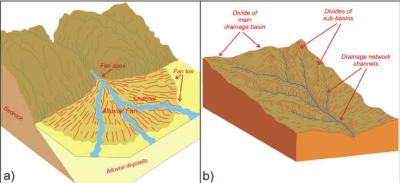
Alluvial cones and alluvial fans are formed by the river at the foothills. The velocity of river water is suddenly reduced due to reduction in slope when it...
India is set to maximize the use of its strategic petroleum reserves due to the recent slump in crude prices. This decision is advantageous in two significant ways:...
Harappan urban centers were systematically divided into two distinct functional and spatial zones, showcasing an advanced understanding of social stratification and civic administration: The Citadel (Western Mound): Built...
Chirand is located on the northern bank of the Ganga River, near its confluence with the Ghaghara River, in the Saran district of Bihar. Situated in the flat,...