The Constitution is the supreme law of a nation. It outlines the framework of government. It defines the rights of citizens. In India, the Constitution was adopted in 1950. It is a comprehensive document. It includes fundamental rights and duties. The Constitution also establishes the separation of powers. It plays a crucial role in upholding democracy and justice.
The Constitution of India which came into effect in 1950 is said to be the result of borrowings, both external as well as internal. The framers of the...
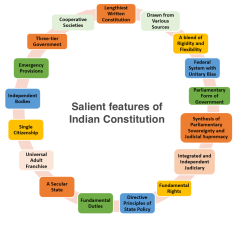
The Constitution of India is, indeed, unique'unique because of it numerous aspects. Some of the major salient features of the Constitution of India can be summed up as...
Constitution of India is renowned for its uniqueness, versatility, and comprehensive nature. As it stands today, it incorporates various features that make it distinct from other constitutions in...
On October 14, Australians are set to participate in a significant referendum that will determine whether the country's indigenous peoples should be formally consulted in the legislative process....
The Supreme Court of India's consideration of appointing sign language interpreters for Constitution bench hearings to accommodate individuals with hearing impairments is a significant step towards enhancing accessibility...
India, being a diverse and inclusive nation, acknowledges the importance of uplifting marginalized communities. The Constitution (Scheduled Castes) Order (Amendment) Bill, 2023, recently introduced in the Lok Sabha,...
In a significant move towards the empowerment of tribal communities, the Lok Sabha introduced the Constitution (Scheduled Castes) Order (Amendment) Bill, 2023, aiming to bring about changes to...
Article 153 of the Indian Constitution deals with the appointment of governors for each state in India. The Constitution of India provides for a parliamentary form of government...
The Indian Constitution provides several fundamental rights and protections to citizens of India. One of the unique provisions provided in the Constitution is the immunity provided to Members...
The 13th Amendment to Sri Lanka's Constitution, enacted in November 1987, stands as the sole legislative guarantee of power devolution to the country's provinces. The amendment aimed to...