Cultural heritage encompasses the traditions, customs, and practices of a society. It includes art, music, dance, and literature. Historic monuments and sites reflect a community's identity. Festivals and rituals showcase unique cultural expressions. Preservation of cultural heritage is vital for future generations. It fosters a sense of belonging and continuity. Understanding diverse heritages enriches global perspectives and promotes respect among different cultures.
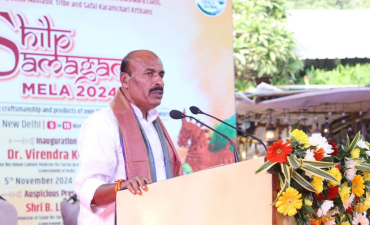
The Shilp Samagam Mela 2024 was inaugurated at Dilli Haat, New Delhi, by the Union Ministry of Social Justice and Empowerment. This event aims to showcase traditional handicrafts...
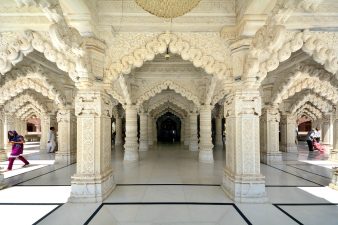
The Abhay Prabhavana museum, inaugurated on the outskirts of Pune, marks an important cultural milestone in India. Developed at a cost of approximately ₹400 crores, this state-of-the-art facility...
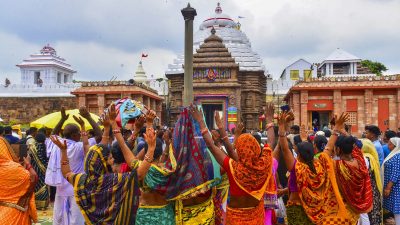
Recent discussions surrounding the Ratna Bhandar, the treasure trove of the Jagannath Temple in Puri, have gained traction following a comprehensive survey conducted by the Archaeological Survey of...
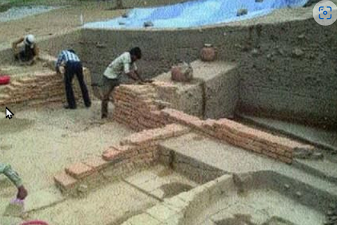
Recent archaeological initiatives highlight a renewed interest in India's ancient history, with the Archaeological Survey of India (ASI) set to excavate an important site in Amoor, Tamil Nadu....
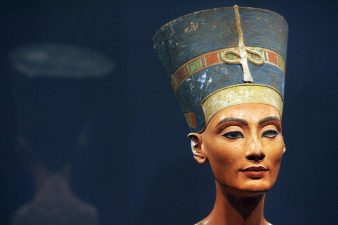
The debate surrounding the repatriation of cultural artefacts intensified, particularly regarding the iconic bust of Queen Nefertiti, currently housed in Berlin's Neues Museum. Zahi Hawass, a prominent Egyptian...
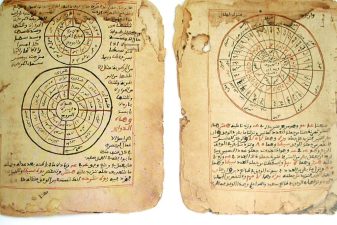
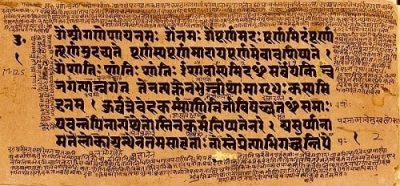
Recently, the Union Ministry of Culture is taking steps to revitalise the National Mission for Manuscripts (NMM), a vital initiative aimed at preserving India's rich literary heritage. The...
Recently, the Indian Union Cabinet granted classical status to five languages: Marathi, Bengali, Assamese, Pali, and Prakrit. This decision, made just before the Maharashtra Assembly elections, has ignited...
The early medieval period witnessed a significant geographical expansion of agriculture, moving beyond the traditional core fertile regions of the Ganga-Yamuna Doab into peripheral, forest-covered, and tribal-dominated areas....
The transition from the Gupta period to the early medieval era was marked by the decline of centralized imperial authority and the emergence of regional political configurations. This...
Tabaqat-i-Nasiri is a comprehensive chronicle written in Persian by Minhaj-us-Siraj Juzjani. Completed in 1260 CE, it serves as a primary source for the establishment and consolidation of the...