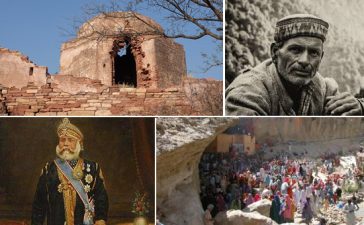
Cultural influence shapes societies. It encompasses traditions, beliefs, and practices. This influence can be seen in art, music, and literature. It affects language and communication styles. Cultural exchange enriches communities. It fosters understanding and tolerance. Historical events often drive cultural shifts. Globalisation accelerates these changes. In India, diverse cultures blend, creating a unique tapestry. This influence is vital for national identity and unity.
By 1818, the British had established control over most of the Indian subcontinent. Punjab and Sindh were notable exceptions. British rule varied in nature; some regions were directly...
Family structures are inherent to all societies. They serve as the basic unit of social organisation. Historically, families emerged from hunter-gatherer societies. In these groups, pairing off encourageed...
Libia Lobo Sardesai, a prominent figure in the Goan liberation struggle, was recently awarded the Padma Shri for her contributions. Born on May 25, 1924, in Portuguese-ruled Goa,...
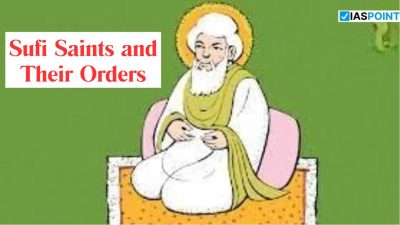
Sufism is a mystical Islamic belief system. It emphasises the inward search for God and shuns materialism. Sufi practitioners, known as Sufi Saints, seek a personal connection with...
The Sayyid Dynasty ruled the Delhi Sultanate from 1414 to 1451. It emerged after the decline of the Tughlaq Dynasty. This period was marked by political instability and...
The period immediately preceding the establishment of the Delhi Sultanate (c. 1000–1206 CE) was defined by deep-seated political fragmentation and structural socio-economic patterns. The absence of a centralized...
The transition from the Ancient to the Medieval period in India, spanning roughly from 600 CE to 1200 CE, is characterized by the breakdown of the centralized imperial...
The early medieval period (c. 600–1200 CE) witnessed a significant transformation in the Indian social structure. The varna system, which was traditionally rigid, underwent internal differentiation, leading to...