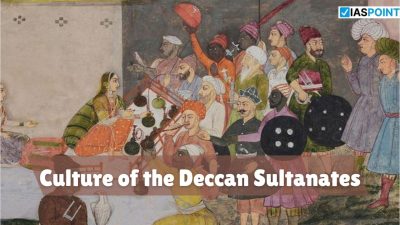
The Deccan Sultanates were a group of five Muslim-ruled kingdoms in southern India. They emerged in the 16th century. These sultanates included Bijapur, Golconda, Ahmadnagar, Berar, and Bidar. They played a crucial role in regional politics. The sultanates were known for their rich culture and architectural achievements. Their decline paved the way for the rise of the Maratha Empire.
The Deccan Sultanates were five independent Muslim kingdoms in South India. They emerged after the decline of the Bahmani Sultanate in the 16th century. The sultanates included Ahmadnagar,...
The Bidar Sultanate was one of the five Deccan Sultanates in India. It was established in 1492 by Qasim Barid I. The sultanate was small in size but...
Land grants were the foundational instrument of the early medieval transition (c. 600–1200 CE), facilitating a shift from centralized bureaucracy to a decentralized agrarian economy. Initially practiced under...
Tabaqat-i-Nasiri is a comprehensive chronicle written in Persian by Minhaj-us-Siraj Juzjani. Completed in 1260 CE, it serves as a primary source for the establishment and consolidation of the...