Democratic representation is the process through which citizens elect representatives to make decisions on their behalf. It ensures that diverse voices are heard in governance. This system is fundamental to democracy. It fosters accountability and transparency. In India, it reflects the country’s commitment to pluralism. Effective representation strengthens the relationship between the government and the people. It is crucial for a functioning democracy.
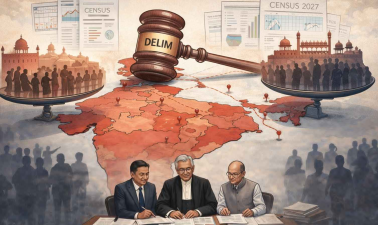
India’s approach to its next Census has revived a sensitive constitutional question: how should political representation be recalibrated when population growth has diverged sharply across regions? At one...
During British rule in India, the country was divided into provinces for efficient governance. The three major provinces were Bengal, Madras, and Bombay, known as Presidencies. Each was...
Union Territories (UTs) are regions in India governed directly by the central government. They differ from states, which have their own governments. UTs are established for various reasons,...