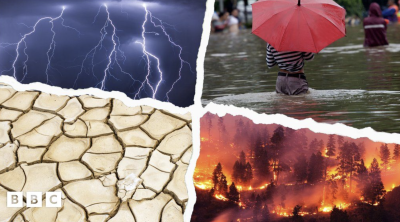
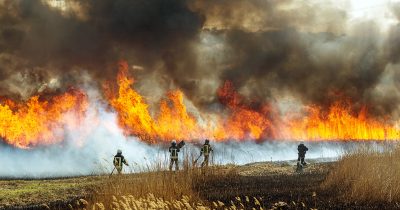
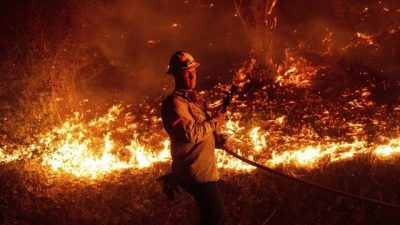
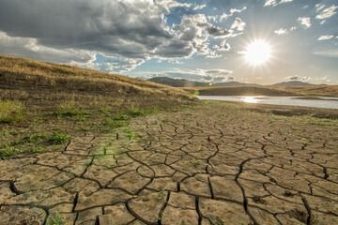
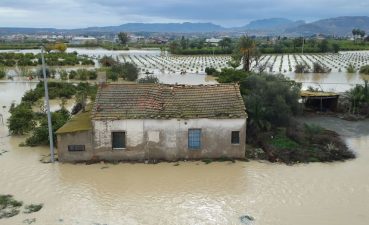
Extreme weather refers to unusual and severe atmospheric conditions. It includes events like hurricanes, floods, and heatwaves. These phenomena can cause significant damage to infrastructure and ecosystems. They also impact agriculture and water supply. Climate change is a major factor in the increasing frequency of extreme weather. Communities must adapt to these changes to ensure safety and resilience. Awareness and preparedness are essential.
Climate change has intensified the frequency and severity of heatwaves, El Niño events, and extreme weather worldwide. Recent data show a significant rise in global average temperatures linked...
Recent assessments indicate alarming coral loss on the Great Barrier Reef due to extreme weather conditions. The Australian Institute of Marine Science (AIMS) reported important declines in coral...
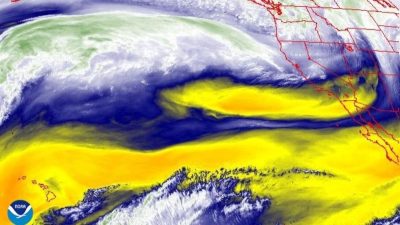
A important weather event is unfolding off the US West Coast. A bomb cyclone is expected to bring extreme conditions across several states. This system is coupled with...
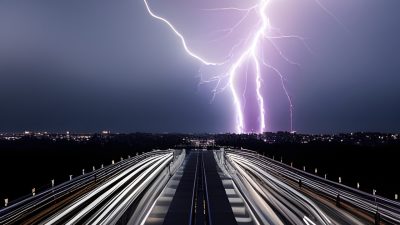
Lightning strikes are becoming more frequent and deadly globally. Annually, about 24,000 people die from lightning strikes, with India reporting 2,887 deaths in 2022. This alarming trend has...
India faced an unprecedented rise in extreme weather events. A report by the Centre for Science and Environment revealed alarming statistics. The first nine months of the year...
The year 2024 is projected to become the hottest year since the preindustrial period. This assessment comes from the World Meteorological Organization (WMO) and the European Union’s Copernicus...
The year 2024 has witnessed an alarming escalation in the impacts of climate change, as evidenced by a recent report from the Lancet Countdown on Health and Climate...
In late October 2024, southern and eastern Spain experienced catastrophic flooding due to unprecedented rainfall, leading to the loss of at least 64 lives. This deluge, with some...