
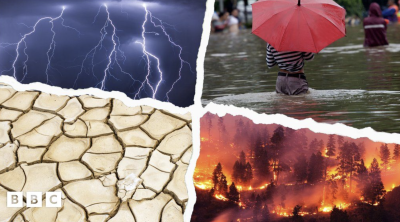
Climate change has intensified the frequency and severity of heatwaves, El Niño events, and extreme weather worldwide. Recent data show a significant rise in global average temperatures linked to increased greenhouse gas emissions. These changes have led to record-breaking heatwaves across continents and disrupted normal weather patterns.
Heatwaves and Temperature Records
Multiple regions, including Europe, Asia, and North America, experienced unprecedented heatwaves in the past decade. The frequency of heatwaves has increased by over 50% since 1980. In 2023, several countries recorded their highest temperatures ever, with some exceeding 50°C. Heatwaves have caused severe health impacts and increased mortality rates in affected areas.
El Niño Phenomenon Intensification
El Niño events have become more intense and irregular due to ocean warming in the Pacific. The 2023-2024 El Niño episode was classified as strong, influencing global weather patterns. It caused abnormal rainfall distribution, droughts in some regions, and flooding in others. These shifts have affected agriculture, water resources, and ecosystems globally.
Extreme Weather Events Increase
Extreme weather events such as hurricanes, cyclones, floods, and droughts have increased in frequency and intensity. Data from the last 20 years show a 30% rise in category 4 and 5 tropical cyclones. Flooding events have become more severe due to intensified rainfall and rising sea levels. Drought-prone areas have expanded, impacting food security and water availability.
Global Temperature and Emission Trends
Global surface temperature has risen approximately 1.2°C since pre-industrial times. Carbon dioxide levels surpassed 420 ppm in 2023, the highest in 3 million years. Methane and nitrous oxide concentrations have also increased significantly. These greenhouse gases are primary drivers of climate change and associated extreme weather patterns.
What to Study for UPSC Exams?
- Ocean-Atmosphere Interactions
- Climate Change Mitigation Policies
- Disaster Risk Management
- Global Environmental Agreements
Ocean-Atmosphere Interactions
Ocean-atmosphere interactions regulate Earth’s climate through energy and moisture exchange. The El Niño-Southern Oscillation (ENSO) is a key example, causing global weather shifts. Oceans absorb over 90% of excess heat from greenhouse gases, delaying atmospheric warming.
Climate Change Mitigation Policies
Mitigation policies include carbon pricing, renewable energy incentives, and deforestation control. The Paris Agreement aims to limit warming below 2°C. Carbon capture and storage (CCS) technologies are emerging tools to reduce atmospheric CO2.
Disaster Risk Management
Disaster risk management involves preparedness, response, and recovery strategies to reduce hazards’ impacts. Early warning systems have cut mortality rates by up to 50% in some regions. Integrating climate projections improves resilience planning.
Global Environmental Agreements
Key agreements include the Kyoto Protocol and Paris Agreement targeting greenhouse gas reductions. The Montreal Protocol successfully phased out ozone-depleting substances. Compliance mechanisms and financial support vary among treaties.
Last Modified: April 15, 2026