
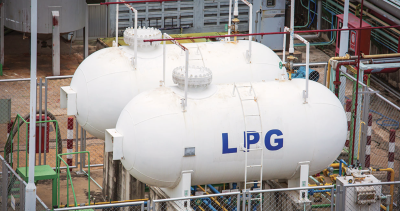
The Government of India is promoting a shift from Liquefied Petroleum Gas (LPG) to Piped Natural Gas (PNG) for domestic cooking across urban and semi-urban areas. As of 2024, over 30 million households have been connected to PNG networks. The initiative aims to reduce dependency on LPG cylinders and enhance clean energy usage.
PNG Infrastructure Expansion
Natural Gas Distribution Companies (NGDCs) have expanded PNG pipelines in more than 150 cities. The total length of gas pipelines has increased to 60,000 km nationwide. Investments exceeding ₹10,000 crore have been allocated for pipeline infrastructure development in the last three years.
Environmental and Economic Data
PNG emits approximately 20% less carbon dioxide than LPG per unit of energy. The cost of PNG is 15-20% lower than LPG per cooking unit. PNG reduces the need for cylinder transportation logistics, lowering associated carbon emissions.
Government Schemes and Targets
The Pradhan Mantri Ujjwala Yojana (PMUY) initially focused on LPG connections but now integrates PNG promotion. The Ministry of Petroleum and Natural Gas targets 80 million PNG connections by 2030. Subsidies and incentives are provided for PNG pipeline installation in eligible urban households.
Safety and Usage Statistics
PNG supply involves continuous piping with automatic shut-off valves in case of leaks. Reported accidents related to PNG usage have decreased by 12% in the past five years. PNG users report higher convenience due to uninterrupted gas supply compared to LPG cylinder refills.
What to Study for UPSC Exams?
- Natural Gas Distribution Networks
- Energy Subsidy Reforms in India
- Clean Cooking Fuels and Health
- Urban Energy Infrastructure Development
Natural Gas Distribution Networks
Natural gas distribution networks deliver gas through pipelines from transmission systems to end users. They use pressure regulation stations to maintain safe delivery pressures. Network integrity is monitored via smart sensors detecting leaks and flow anomalies in real-time.
Energy Subsidy Reforms in India
India shifted from universal to targeted energy subsidies using Direct Benefit Transfer (DBT) since 2013. LPG subsidy reforms reduced leakages by linking subsidies to Aadhaar identification. Reforms focus on rationalizing fuel prices to reflect international market rates.
Clean Cooking Fuels and Health
Clean cooking fuels like PNG and LPG reduce indoor air pollution linked to respiratory diseases. WHO estimates 3.8 million premature deaths annually from household air pollution. Transitioning to clean fuels lowers exposure to particulate matter and carbon monoxide.
Urban Energy Infrastructure Development
Urban energy infrastructure integrates electricity, gas, and renewables via smart grids. It supports demand-side management and reduces transmission losses. Investments prioritize resilience against climate risks and promote decentralized energy generation.
Last Modified: April 15, 2026