
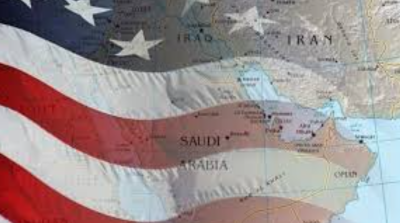
The Gulf region is once again witnessing a sharp rise in tensions as the United States steps up its military presence in West Asia and Iran signals readiness to respond to any attack. Warships and fighter jets are being deployed even as diplomats scramble to prevent escalation. The central question is whether this show of force is meant to push Iran back to the negotiating table or whether the region is slowly drifting towards another conflict.
How the current escalation has unfolded
The present crisis has built up over several weeks. US President has warned that “time is running out” for Iran to agree to a nuclear deal, while also speaking publicly about a large concentration of American naval forces moving into the region. Defence tracking reports and satellite imagery indicate a strengthened US air and naval posture, including fighter aircraft deployed in Jordan and surveillance operations near Iranian airspace.
A key signal has been the deployment of the USS Abraham Lincoln carrier strike group, accompanied by Arleigh Burke-class destroyers equipped with long-range cruise missiles. Together, these moves underline Washington’s attempt to apply military pressure while keeping diplomatic options open.
Iran’s stance: resistance and preparedness
Iran has responded forcefully to the US posture. Iranian Foreign Minister has reiterated that Tehran’s nuclear programme is peaceful and warned of a “strong and immediate” response to any aggression. Although indirect messages continue through mediators, Iran has made it clear that negotiations cannot take place under coercion.
On the military front, Tehran has moved to strengthen deterrence by deploying a drone-carrier ship near its southern coast and inducting hundreds of strategic drones into its defence systems. These actions are meant to signal readiness rather than provoke confrontation.
Regional diplomacy and efforts to prevent war
A notable difference in this phase of tension is the active role played by regional actors seeking to avoid conflict. Many West Asian countries recognise that even a limited clash could rapidly spiral into a wider war. Reports suggest that Saudi Arabia and the United Arab Emirates have conveyed that their territory and airspace will not be used for attacks on Iran.
China has also publicly urged restraint, calling on all sides to adhere to international law and avoid steps that could destabilise the region. For many Gulf countries focused on economic diversification and stability, a new war is an outcome to be avoided at all costs.
India’s interests and calibrated engagement
India is closely monitoring developments, given its substantial economic and strategic interests in the Gulf. New Delhi’s Deputy National Security Advisor recently visited Tehran, reflecting India’s concern over the deteriorating regional situation.
India maintains long-standing ties with Iran in areas such as trade, energy, and connectivity. The Chabahar port project remains particularly significant, providing India with access to Central Asia and Afghanistan. Despite US sanctions on Iran, New Delhi has argued that disengaging from Chabahar is neither practical nor desirable. A conditional sanctions waiver issued by the US Treasury in late 2025, valid until April 2026, reflects this delicate diplomatic balance.
During his January 2026 visit, Kapoor met senior Iranian officials, including Ali Bagheri Kani, to discuss regional developments and protect India’s interests at a time of heightened US–Iran tensions and internal unrest within Iran.
Energy security and the Strait of Hormuz
Conflicts in the Gulf have global consequences. Nearly one-fifth of the world’s oil supply passes through the Strait of Hormuz, making it one of the most critical maritime chokepoints. Even limited military incidents can disrupt shipping, raise insurance costs, and push global oil prices higher, with direct implications for economies like India that depend heavily on energy imports.
For New Delhi, peace in the Gulf is therefore a strategic necessity, not merely a diplomatic preference. It affects energy security, trade flows, and the safety of millions of Indian nationals working across West Asia.
The nuclear question at the heart of the standoff
At the core of the confrontation lies Iran’s nuclear programme. The 2015 nuclear agreement had placed restrictions on Iran’s activities in exchange for sanctions relief. The US withdrawal from the deal later deepened mistrust and contributed to escalating tensions.
Washington now seeks broader constraints, including limits on Iran’s missile programme and its support for armed groups in the region. Memories of last year’s brief Iran–Israel confrontation, involving strikes and retaliatory missile attacks, remain a reminder of how quickly the situation can escalate.
Internal pressures shaping Iran’s posture
Iran’s external behaviour is also influenced by domestic pressures. Prolonged protests led by business groups and bazaars — unprecedented in scale since 1979 — have highlighted severe economic distress. Reports of a harsh crackdown and alleged casualties suggest a government under strain.
Historically, such conditions have often made Iranian leadership more defensive, with external threats sometimes used to rally domestic support around national security narratives.
The risk of accidental escalation
From the US perspective, military deployments are meant to deter Iran and reassure regional allies. However, heavy concentrations of military assets in a confined space raise the risk of miscalculation. An unintended incident or misunderstanding could quickly spiral into a broader conflict.
Many analysts argue that the most immediate danger is not a planned war, but an accidental one triggered by overlapping military operations and heightened alert levels.
What lies ahead
The Gulf today stands at a fragile intersection between confrontation and dialogue. The coming weeks will be decisive in determining whether military pressure gives way to renewed negotiations or hardens positions further.
For India and the wider international community, stability in the Gulf remains essential. In a region already burdened by unresolved rivalries and heavy militarisation, restraint and sustained diplomacy are not signs of weakness but strategic necessities.
Last Modified: February 2, 2026