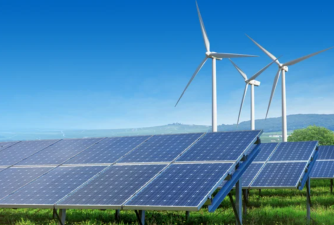
Energy transition refers to the shift from fossil fuels to renewable energy sources. It aims to reduce carbon emissions and combat climate change. This process involves adopting technologies like solar, wind, and hydroelectric power. Governments and industries are investing in sustainable practices. The transition impacts economies and job markets. It also influences energy policies and international relations. A sustainable future depends on this change.
Global brokerage Morgan Stanley has upwardly revised India’s investment-to-Gross Domestic Product (GDP) ratio forecast to 37.5% by fiscal year 2030, climbing from the previous estimate of 36.5%. This...
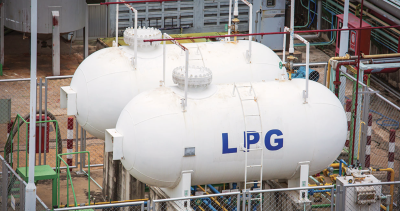
The Government of India is promoting a shift from Liquefied Petroleum Gas (LPG) to Piped Natural Gas (PNG) for domestic cooking across urban and semi-urban areas. As of...
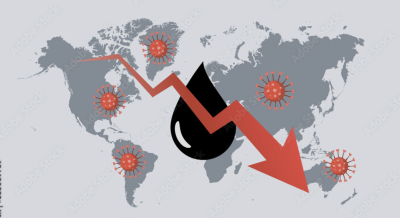
The International Energy Agency (IEA) reported a 2.1 million barrels per day (mb/d) decline in global crude oil demand in Q1 2024. This is the steepest quarterly drop...
For the first time in nearly five decades, coal-fired electricity generation in India recorded a year-on-year decline in 2025. This shift, driven primarily by the rapid expansion of...
India today runs one of the world’s largest and most complex integrated power systems. Coal, hydropower, nuclear energy, and a rapidly expanding renewable fleet now coexist on a...
The energy transition is heavily reliant on critical materials. These include cobalt, lithium, copper, and others essential for clean energy technologies. However, data on these materials remains fragmented...
Recent discussions at the 16th Conference of Parties (COP16) to the Convention on Biological Diversity have telld the urgent need for sustainable practices in the extraction of critical...
The 16th BRICS Summit, held in Kazan, Russia, marks a decisive moment for the bloc following its recent expansion. With the inclusion of four new members—Egypt, Ethiopia, Iran,...