
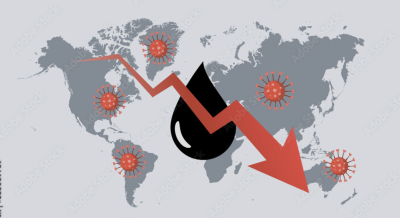
The International Energy Agency (IEA) reported a 2.1 million barrels per day (mb/d) decline in global crude oil demand in Q1 2024. This is the steepest quarterly drop since the COVID-19 pandemic in 2020. The decrease was driven by economic slowdowns in major consuming countries and increased energy efficiency measures.
Global Demand Statistics
Global oil demand fell from 101.5 mb/d in Q4 2023 to 99.4 mb/d in Q1 2024. The decline represents a 2.1% reduction quarter-on-quarter. Demand in China dropped by 0.5 mb/d, while the United States saw a 0.3 mb/d decrease. The IEA attributed the fall to weaker industrial activity and mild weather conditions reducing heating fuel consumption.
Regional Variations
Asia-Pacific demand contracted by 1.2 mb/d, primarily due to China and India’s slower economic growth. European oil demand fell by 0.4 mb/d amid ongoing energy transitions and industrial slowdowns. North American consumption declined by 0.3 mb/d, reflecting reduced transportation fuel use and higher adoption of electric vehicles.
Sectoral Impact
Refining sector output decreased by 1.5 mb/d globally. Transportation fuel demand dropped by 1.0 mb/d, with aviation fuel consumption falling by 0.4 mb/d. Industrial fuel demand contracted by 0.3 mb/d due to lower manufacturing output. Residential and commercial heating fuel demand fell by 0.2 mb/d owing to warmer temperatures.
IEA Forecast and Market Implications
The IEA projected a moderate recovery in oil demand in Q2 2024, estimating a rise of 0.8 mb/d. The agency warned of continued volatility due to macroeconomic uncertainties and energy policy shifts. Oil prices remained volatile, with Brent crude fluctuating between $75 and $85 per barrel during Q1 2024.
What to Study for UPSC Exams?
- Global Energy Demand Trends
- Oil Market Geopolitics
- Energy Transition Policies
- International Energy Agency Role
Global Energy Demand Trends
Global energy demand rose steadily since the Industrial Revolution, with fossil fuels dominating over 80% of consumption. In 2020, renewable energy accounted for about 11% of global electricity generation. Energy demand fluctuates seasonally and is highly sensitive to economic cycles and technological advancements.
Oil Market Geopolitics
Oil market geopolitics centers on control of reserves, with the Middle East holding nearly 48% of proven reserves. OPEC, established in 1960, coordinates oil production to influence prices. Political instability in key oil-producing regions often triggers global price volatility.
Energy Transition Policies
Energy transition policies aim to reduce carbon emissions by promoting renewables and energy efficiency. The Paris Agreement (2015) is a global framework guiding these policies. Many countries implement subsidies for clean energy and set net-zero emission targets by 2050.
International Energy Agency Role
Founded in 1974 after the 1973 oil crisis, the IEA coordinates energy policies among member countries. It provides data, analysis, and policy recommendations to ensure energy security, economic growth, and environmental sustainability. The IEA also monitors global energy markets and forecasts demand and supply trends.
Last Modified: April 14, 2026