Faulting refers to the process where rocks break and slide past each other. It occurs due to tectonic forces. This movement can create earthquakes. Faults can vary in size and type. They are significant in geology. Understanding faulting helps in assessing seismic risks. It also aids in resource exploration. Fault lines can influence land use and urban planning.
The Eastern Ghats, a formidable mountain range that stretches along the eastern coast of India, harbors a wealth of geological marvels. This ancient mountain chain, with its diverse...
A study in China highlights the environmental benefits of implementing "green nudges" in online food delivery platforms. These nudges encourage sustainable behavior, such as defaulting to "no disposable...
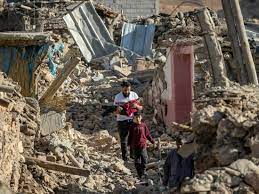
On the fateful night of September 8, a rare and powerful earthquake rocked Morocco, claiming the lives of hundreds and causing extensive damage, including to the UNESCO World...
The Earth's dynamic landscape is a result of a complex interplay between various natural processes. Among these, endogenic forces play a significant role in shaping and molding the...
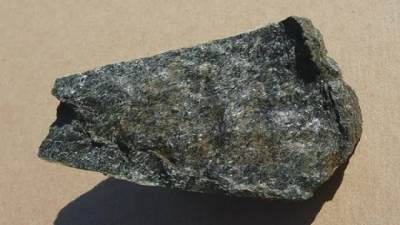
Metamorphic rocks are a fascinating result of the Earth's dynamic processes that transform existing rocks through heat, pressure, and chemical reactions. This transformative journey leads to the creation...
Slope landforms are dynamic and fascinating features of the Earth's surface that result from a combination of geological processes, weathering, erosion, and human activities. These formations play a...
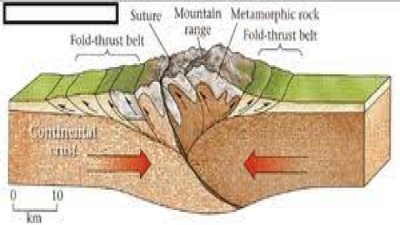
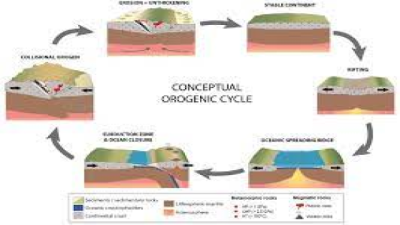
Orogeny, the process of mountain formation, has played a pivotal role in shaping the Earth's landscape over millions of years. It involves complex geological processes driven by tectonic...
Mountains have long captivated human imagination with their towering peaks and awe-inspiring landscapes. These majestic landforms have played a crucial role in shaping the Earth's surface over millions...
The Earth's surface is constantly evolving due to geological forces, and orogens play a significant role in shaping the planet's landscapes. Orogens are regions where tectonic plates collide,...
Geological provinces are distinct regions of the Earth's crust characterized by specific geological features, rock formations, and tectonic history. These provinces are essential for understanding the Earth's dynamic...