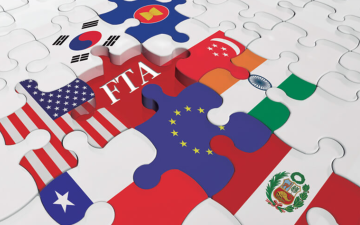
Free Trade Agreements (FTAs) promote trade between countries. They reduce tariffs and eliminate trade barriers. FTAs aim to enhance economic cooperation. Countries benefit from increased market access. They can boost exports and imports. FTAs often include provisions on investment and intellectual property. These agreements can strengthen diplomatic ties. However, they may also lead to domestic industry challenges. Balancing interests is crucial for success.
Bilateral trade agreements are rarely swift or simple. They evolve through long negotiations, calibrated compromises, and careful protection of domestic interests. In this context, India’s two major trade...
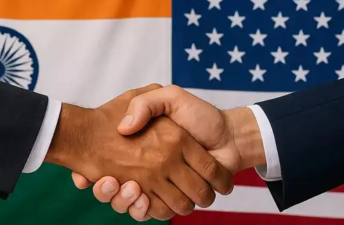
India’s trade strategy has entered a decisive phase. With the conclusion of a consequential trade deal with the United States that lowers tariffs on Indian goods to 18%,...
As India rapidly expands its network of Free Trade Agreements — now covering more than 50 countries, including the pact concluded with New Zealand in December 2025 —...
India is accelerating free trade negotiations at a time of growing global protectionism and mounting tariff pressures, especially from the United States. While the country has signed multiple...
The second India-UK 2+2 Foreign and Defence Dialogue took place in New Delhi. This meeting aimed to enhance the Comprehensive Strategic Partnership between India and the UK. It...
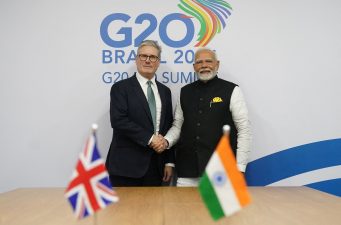
UK Prime Minister Keir Starmer has announced that trade negotiations with India will recommence in the new year. This decision follows a bilateral meeting with Indian Prime Minister...