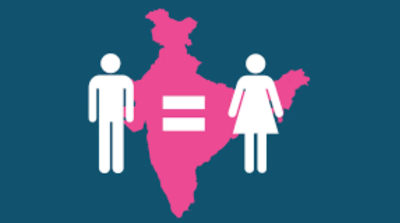
Gender equality refers to the equal rights and opportunities for all genders. It promotes fairness in social, economic, and political spheres. This principle aims to eliminate discrimination and empower individuals. In many cultures, traditional roles often limit opportunities for women. Achieving gender equality benefits society as a whole. It fosters inclusive growth and enhances overall well-being. Progress requires collective effort and commitment.
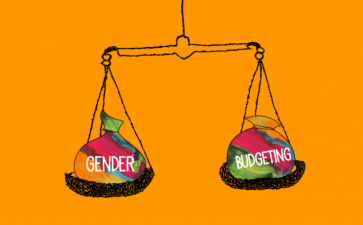
Gender Budgeting is a fiscal strategy that applies a gender lens to the entire budgetary process. It is not a separate budget for women, but an exercise to...
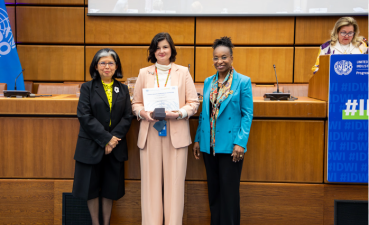
The Guntur Municipal Corporation (GMC) received the 4th Gender Equality Mobilisation (GEM) Award on 24 April 2026. The award was presented by the United Nations Industrial Development Organization...
The Guntur Municipal Corporation (GMC) won the 4th Gender Equality Mobilisation (GEM) Award of the United Nations Industrial Development Organization (UNIDO) on 22 April 2026 in Vienna, Austria....
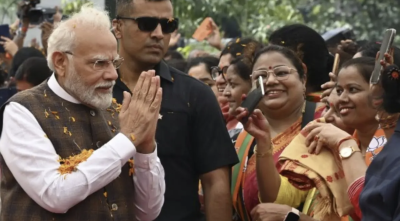
The Women Reservation Bill, aimed at reserving 33% of seats for women in the Parliament and State Legislative Assemblies, has once again become a key topic in Indian...
For decades after liberalisation, India’s trade policy was designed around growth, competitiveness, and access to global markets. Social objectives — including gender inclusion — were largely addressed through...
Definition of Uniform Civil Code (UCC) The Uniform Civil Code (UCC) refers to a proposal aimed at replacing personal laws based on the scriptures and customs of various...
Overview The Samarthya Sub-scheme is an initiative launched by the Ministry of Women and Child Development, Government of India, in 2021. The scheme aims to empower women through...
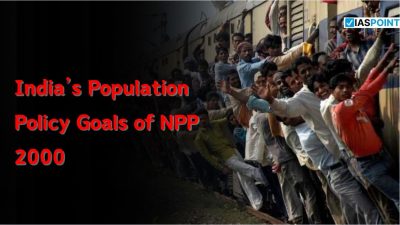
Introduction to NPP 2000 The National Population Policy (NPP) 2000 was introduced in India to address the challenges posed by population growth. It aims to stabilise the population...
Overview of Marriage in India Marriage in India is social institution that unites not only individuals but also families. It is often viewed as a foundation for legitimacy...
Historical Context The portrayal of women in Indian media has evolved over time. During the pre-independence era, women were often depicted in limited roles, primarily as symbols of...