
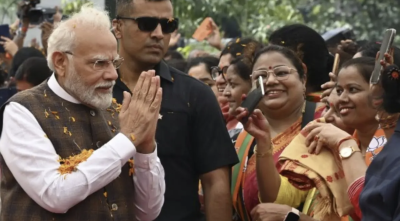
The Women Reservation Bill, aimed at reserving 33% of seats for women in the Parliament and State Legislative Assemblies, has once again become a key topic in Indian politics. This proposed legislation seeks to enhance women’s representation in legislative bodies, addressing long-standing gender disparities in political participation. The bill has been under discussion for several years but has faced various political and social challenges.
Background of the Women Reservation Bill
The Women Reservation Bill, also known as the Constitution (108th Amendment) Bill, was first introduced in 1996. It proposes to reserve one-third of all seats in the Lok Sabha and State Assemblies for women. The objective is to ensure greater gender equality in legislative decision-making. Despite multiple attempts, the bill has not been passed into law due to political disagreements and concerns over its implementation.
Significance of the Bill for Gender Equality
The bill is seen as a crucial step towards empowering women politically. Currently, women’s representation in Indian legislatures is significantly low, hovering around 14% in the Lok Sabha. Increasing their presence can lead to more inclusive policymaking and address issues such as women’s safety, education, and health more effectively. It also symbolises a commitment to constitutional principles of equality and social justice.
Challenges and Political Dynamics
The bill has faced opposition from various quarters. Some political parties argue that reservation should be based on merit rather than gender. Others call for sub-quotas within the reservation for marginalised groups like Scheduled Castes and Scheduled Tribes. Additionally, there are concerns about the impact of reservations on the existing political structure and leadership dynamics.
Current Status and Future Prospects
The renewed call for support by the Prime Minister highlights the government’s intention to push the bill forward. The bill requires a constitutional amendment, needing a two-thirds majority in both Houses of Parliament. If passed, it will mark a historic milestone in Indian democracy by institutionalising women’s political participation. The ongoing debates indicate a growing consensus on the need for gender-sensitive reforms in governance.
What to Study for UPSC Exams?
- Women’s Political Participation in India
- Constitutional Amendments Process
- Gender Equality and Social Justice
- Reservation Policies and Their Impact
- Role of Women in Indian Legislative History
Women’s Political Participation in India
Women’s political participation in India includes voting, contesting elections, and holding public office. The first female Prime Minister was Indira Gandhi (1966). Women’s representation in Parliament is about 14% in the Lok Sabha. Panchayati Raj institutions mandate 33% reservation for women since 1993. Social, economic, and cultural barriers limit women’s political roles. Efforts like the Women Reservation Bill aim to increase legislative representation to one-third.
Constitutional Amendments Process
Constitutional amendments in India require a Bill passed by a two-thirds majority in both Houses of Parliament. Some amendments also need ratification by at least half of the state legislatures. The President’s assent is mandatory. Amendments can alter the Constitution’s text or structure. The process is governed by Article 368. Over 100 amendments have been made since 1950.
Gender Equality and Social Justice
Gender equality refers to equal rights, responsibilities, and opportunities regardless of gender. Social justice involves fair treatment and equitable resource distribution. India’s Constitution guarantees equality under Articles 14, 15, and 16. Various laws and policies address gender discrimination, such as the Equal Remuneration Act and Protection of Women from Domestic Violence Act. Gender equality is linked to sustainable development and human rights globally.
Reservation Policies and Their Impact
Reservation policies in India provide affirmative action for Scheduled Castes, Scheduled Tribes, Other Backward Classes, and women. The Constitution mandates reservations in education, employment, and legislatures. Reservations aim to reduce historical social inequalities. Critics argue about meritocracy and political patronage. Reservations in Panchayati Raj institutions for women led to increased political participation at grassroots levels. Impact varies by region and community.
Role of Women in Indian Legislative History
Women have been part of Indian legislatures since pre-independence times. Sarojini Naidu was the first woman President of the Indian National Congress (1925). Rajkumari Amrit Kaur was the first female Health Minister. Women have contributed to lawmaking, social reforms, and independence movements. Despite contributions, women’s legislative presence has remained low historically. Various efforts continue to improve their political representation.
Last Modified: April 9, 2026