
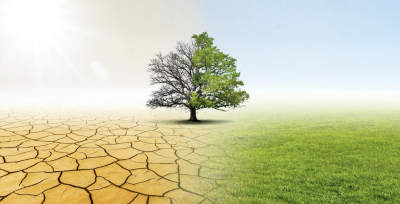
Rising global temperatures are increasing the frequency of extreme heatwaves, some of which may become non-survivable for humans. Scientists have highlighted the role of wet-bulb temperature—a measure combining heat and humidity—in determining human survivability during heat events. Recent studies warn that certain regions could soon experience wet-bulb temperatures exceeding human tolerance limits, posing severe health risks.
Understanding Wet-Bulb Temperature
Wet-bulb temperature (WBT) reflects the lowest temperature air can reach through evaporation, combining heat and humidity. It is a critical metric because high humidity reduces the body’s ability to cool itself by sweating. When WBT exceeds 35°C, the human body can no longer effectively regulate its temperature, leading to potentially fatal heat stress.
Implications of Rising Wet-Bulb Temperatures
Climate models project that several densely populated regions, including parts of South Asia, the Middle East, and North Africa, may experience wet-bulb temperatures near or above the 35°C threshold by the end of this century. Such conditions could make outdoor work and even survival without air conditioning impossible. This poses a grave risk to public health, labour productivity, and economic stability in vulnerable areas.
Projected Geographic Hotspots
Regions at greatest risk include the Indo-Gangetic Plain, Persian Gulf, and parts of Southeast Asia. These areas already experience high heat and humidity during summer months. Rising wet-bulb temperatures could exacerbate existing challenges such as water scarcity and urban heat islands, compounding health risks for millions.
Mitigation and Adaptation Strategies
Addressing the threat requires urgent climate action to limit global warming and reduce greenhouse gas emissions. In parallel, adaptation measures such as improving urban planning, increasing green cover, and enhancing early warning systems are essential. Public health infrastructure must also be strengthened to manage heat-related illnesses and protect vulnerable populations.
What to Study for UPSC Exams?
- Human Thermoregulation and Heat Stress
- Climate Change Impact on Public Health
- Wet-Bulb Temperature and Meteorology
- Urban Heat Island Effect
- Global Climate Models and Projections
Human Thermoregulation and Heat Stress
Human thermoregulation maintains body temperature around 37°C through mechanisms like sweating and vasodilation. Heat stress occurs when external heat and humidity overwhelm these processes, leading to heat exhaustion or heat stroke. High humidity impairs sweat evaporation, reducing cooling efficiency. Wet-bulb temperature above 35°C marks a critical limit where the body cannot cool itself, risking fatal outcomes. Heat stress affects cardiovascular and nervous systems, and prolonged exposure can cause organ failure. Vulnerable groups include the elderly, children, and outdoor workers.
Climate Change Impact on Public Health
Climate change increases frequency and intensity of heatwaves, floods, and vector-borne diseases. Rising temperatures exacerbate respiratory and cardiovascular illnesses. Heatwaves cause heat-related mortality and morbidity, particularly in urban areas. Changes in precipitation patterns affect water quality and food security. Climate-sensitive diseases like malaria and dengue expand their range. Public health systems face challenges in preparedness, surveillance, and response to climate-driven health risks.
Wet-Bulb Temperature and Meteorology
Wet-bulb temperature (WBT) combines air temperature and humidity, representing the lowest temperature achievable by evaporative cooling. It is measured using a thermometer covered with a wet wick exposed to airflow. WBT above 35°C is lethal for humans as sweating becomes ineffective. Meteorologists use WBT to assess heat stress risks and forecast dangerous heat events. It influences weather phenomena, evaporation rates, and atmospheric stability.
Urban Heat Island Effect
Urban Heat Island (UHI) effect occurs when cities experience higher temperatures than surrounding rural areas due to human activities. Causes include heat-absorbing surfaces like concrete, reduced vegetation, and waste heat from vehicles and industries. UHI intensifies heatwaves, increasing energy demand and health risks. It affects local weather patterns, air quality, and water cycles. Mitigation involves urban greening, reflective materials, and sustainable planning.
Global Climate Models and Projections
Global Climate Models (GCMs) simulate Earth’s climate system using mathematical representations of atmosphere, oceans, land, and ice. They project future climate scenarios based on greenhouse gas emission pathways. GCMs predict temperature rise, precipitation changes, and extreme weather events. Models show increased frequency of heatwaves and wet-bulb temperatures exceeding human tolerance in vulnerable regions by 2100. Uncertainties arise from model resolution, feedback mechanisms, and emission trajectories.
Last Modified: April 9, 2026