
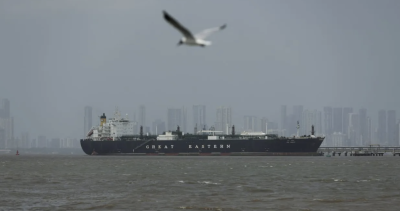
Iran has announced its intention to establish strategic control over shipping routes in the Strait of Hormuz. This narrow but vital waterway connects the Persian Gulf with the Gulf of Oman and the Arabian Sea. It is one of the world’s most important chokepoints for global oil transportation. Iran’s move aims to enhance its influence over maritime traffic and regional security dynamics.
Geopolitical Importance of the Strait of Hormuz
The Strait of Hormuz is a critical maritime passage for the global energy market. Approximately 20% of the world’s petroleum passes through this strait daily. It links major oil-producing countries in the Middle East to international markets. Control over this strait gives significant leverage in global energy supply and regional politics. Any disruption here can affect oil prices and international trade.
Iran’s Strategic Objectives
Iran’s plan to control shipping in the Strait of Hormuz reflects its broader regional ambitions. Tehran seeks to assert dominance over the Persian Gulf and counterbalance US and allied naval presence. The strategy includes deploying naval forces and using asymmetric warfare tactics like fast-attack boats and missile systems. Iran also aims to regulate maritime traffic and impose security protocols aligned with its national interests.
International Reactions and Security Implications
Iran’s move has raised concerns among global powers and Gulf countries. The United States, European nations, and Gulf Cooperation Council (GCC) members view this as a threat to free navigation and energy security. They have reiterated commitments to maintaining open sea lanes and safeguarding commercial vessels. Increased military patrols and international naval exercises have been conducted to deter potential disruptions.
Impact on Global Energy Markets
Any assertion of control by Iran over the Strait of Hormuz could lead to volatility in global oil markets. The threat of restricted oil flow or blockades can cause price spikes and supply uncertainties. Countries reliant on Middle Eastern oil imports are closely monitoring the situation. Diversification of energy sources and alternate shipping routes are being considered to mitigate risks.
What to Study for UPSC Exams?
- Maritime Chokepoints and Global Trade
- Asymmetric Naval Warfare Tactics
- Energy Security and Geopolitics
- Persian Gulf Regional Security Dynamics
- International Maritime Law and Navigation Rights
Maritime Chokepoints and Global Trade
Maritime chokepoints are narrow channels critical for global shipping, such as the Strait of Hormuz, Bab el-Mandeb, and the Suez Canal. They facilitate around 60% of global maritime trade and significant volumes of oil and gas. Disruptions can cause major supply chain delays and price volatility. Chokepoints are vulnerable to geopolitical tensions, piracy, and military conflicts. Control over these passages offers strategic leverage in international trade and security. Their security is vital for uninterrupted global commerce and energy supply.
Asymmetric Naval Warfare Tactics
Asymmetric naval warfare involves unconventional tactics by smaller naval forces against superior adversaries. Techniques include fast-attack boats, swarm tactics, missile attacks, mines, and electronic warfare. It aims to exploit vulnerabilities of larger fleets through surprise, mobility, and cost-effectiveness. Iran is known for deploying such tactics in the Persian Gulf to counterbalance US naval power. This approach challenges traditional naval dominance and complicates maritime security strategies.
Energy Security and Geopolitics
Energy security refers to uninterrupted access to affordable energy resources. Geopolitics shapes energy security through control of production, transit routes, and strategic reserves. Major oil chokepoints like the Strait of Hormuz are geopolitical flashpoints due to their role in global energy flows. Disruptions can trigger price volatility and economic instability. Countries diversify suppliers and routes to mitigate risks. Energy geopolitics influences alliances, conflicts, and international diplomacy.
Persian Gulf Regional Security Dynamics
The Persian Gulf region hosts major oil producers including Saudi Arabia, Iran, UAE, and Iraq. It is characterized by rivalry, sectarian divides, and foreign military presence, especially by the US. Security concerns include territorial disputes, proxy conflicts, and threats to maritime navigation. Gulf Cooperation Council (GCC) countries coordinate on defense amid Iranian influence. Regional stability is critical for global energy markets and international security.
International Maritime Law and Navigation Rights
International maritime law, governed by UNCLOS, regulates rights and responsibilities in territorial seas and international waters. It guarantees freedom of navigation through straits used for international passage like the Strait of Hormuz. Coastal states have sovereignty up to 12 nautical miles but cannot impede transit passage. Disputes arise over security measures and maritime jurisdiction. Compliance ensures peaceful maritime trade and conflict prevention.
Last Modified: April 9, 2026