A constitutional amendment is a formal change to a country's constitution. It alters the legal framework governing the nation. In India, amendments can address various issues, including rights, governance, and federal structure. The process requires significant political consensus. Amendments reflect evolving societal values and needs. They play a crucial role in adapting the constitution to contemporary challenges.
The 131st Constitutional Amendment Bill, proposing 33% reservation for women in Parliament and state assemblies, was rejected in the Lok Sabha. The Bill did not secure the required...
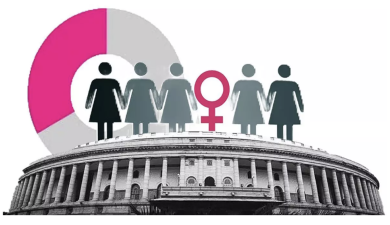
The Women’s Reservation Bill proposes increasing Lok Sabha seats from 543 to 850 by reserving one-third of seats for women. The bill aims to enhance women’s representation in...
The Union Cabinet has approved key amendments to enable a 33% reservation for women in the Lok Sabha and State Legislative Assemblies. This decision aims to enhance women's...
The Women Reservation Bill, aimed at reserving 33% of seats for women in the Parliament and State Legislative Assemblies, has once again become a key topic in Indian...
Pakistan’s passage of the 27th Constitutional Amendment marks a significant turning point in its constitutional architecture. While officially framed as an administrative reform linked to governance and military...