
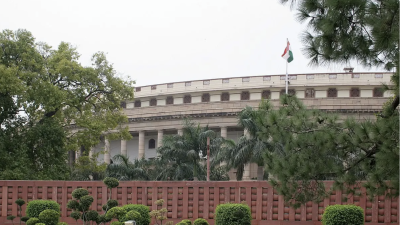
The 131st Constitutional Amendment Bill, proposing 33% reservation for women in Parliament and state assemblies, was rejected in the Lok Sabha. The Bill did not secure the required two-thirds majority. It aimed to amend Articles 81, 82, 83, 172, 330, and 332 of the Constitution.
Bill Provisions and Objectives
The Bill sought to reserve one-third of seats for women in the Lok Sabha and state legislative assemblies. It proposed amending the constitutional provisions related to the composition and reservation of seats. The Bill excluded the Rajya Sabha from the reservation mandate.
Parliamentary Proceedings
The Bill was introduced by the Minister of State for Women and Child Development. It was debated over several hours in the Lok Sabha. Several opposition parties opposed the Bill citing concerns over federalism and political representation.
Voting Outcome
The Bill failed to achieve the two-thirds majority required for constitutional amendments. The total strength of the Lok Sabha is 543 members. The Bill secured less than the 67% votes needed for passage.
Implications for Women’s Reservation
The failure of the Bill means no constitutional guarantee for women’s quota in Parliament and assemblies. Previous attempts to pass similar Bills have also failed. The issue of women’s reservation remains pending in the legislative agenda.
What to Study for UPSC Exams?
- Constitutional Amendment Process
- Reservation Policies in India
- Women’s Representation in Politics
- Federalism and Centre-State Relations
Constitutional Amendment Process
India’s Constitution can be amended by Parliament under Article 368. Amendments require a special majority: two-thirds of members present and voting, plus a majority of the total membership. Some amendments also need ratification by at least half of the state legislatures. The process ensures flexibility while safeguarding the Constitution’s basic structure from easy alteration.
Reservation Policies in India
Reservation in India provides affirmative action in education, employment, and legislatures for Scheduled Castes, Scheduled Tribes, and Other Backward Classes. It originated from colonial-era policies and was constitutionally mandated post-independence. The Mandal Commission (1980s) expanded quotas to OBCs, and reservations vary by state and sector, with periodic legal challenges shaping their scope and implementation.
Women’s Representation in Politics
Women’s political representation in India remains below global averages despite legal provisions. Panchayati Raj Institutions reserve one-third of seats for women since 1993. The Women’s Reservation Bill, proposing 33% reservation in Parliament and assemblies, has repeatedly failed. Globally, Nordic countries lead in women’s legislative representation, often exceeding 40%.
Federalism and Centre-State Relations
India’s federal structure divides powers between the Centre and states via three lists: Union, State, and Concurrent. The Centre can legislate on Concurrent List subjects and override states under certain conditions. Financial relations involve central grants and tax devolution. Conflicts arise over autonomy, resource control, and legislative competence, influencing political dynamics and governance.
Last Modified: April 18, 2026