
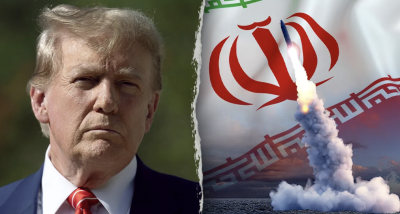
Former US President Donald Trump issued a warning that the ceasefire with Iran could end if a formal agreement is not reached. The statement was made amid ongoing tensions between the US and Iran over nuclear and regional security issues.
Trump’s Statement on Ceasefire
Trump emphasised that the current ceasefire with Iran is temporary and contingent on reaching a comprehensive deal. He indicated that failure to finalise an agreement could lead to renewed hostilities. The warning was delivered during a public address in the United States.
Context of US-Iran Relations
The ceasefire follows months of heightened conflict, including sanctions and military posturing. Iran’s nuclear programme and missile tests remain central points of contention. Diplomatic efforts have involved multiple international stakeholders seeking to revive the 2015 nuclear deal framework.
Potential Outcomes Without a Deal
Trump suggested that without a formal arrangement, military actions or escalations could resume. The ceasefire’s expiration would remove current restrictions on Iran’s nuclear activities. The US has maintained sanctions targeting Iran’s economy and leadership.
International Diplomatic Efforts
European countries and the United Nations have urged both parties to extend negotiations. The International Atomic Energy Agency continues monitoring Iran’s nuclear compliance. Regional actors, including Gulf states, remain concerned about security implications.
What to Study for UPSC Exams?
- US Foreign Policy Mechanisms
- International Nuclear Treaties
- Middle East Geopolitical Dynamics
- Sanctions and Economic Warfare
US Foreign Policy Mechanisms
US foreign policy is shaped by the President, Congress, and the State Department. The National Security Council coordinates defense and diplomacy. Tools include diplomacy, economic sanctions, military intervention, and alliances like NATO. The policy adapts through executive orders, treaties (requiring Senate approval), and international organizations participation.
International Nuclear Treaties
Key treaties include the Treaty on the Non-Proliferation of Nuclear Weapons (NPT) of 1968, aiming to prevent spread of nuclear weapons. The Comprehensive Nuclear-Test-Ban Treaty (CTBT) bans all nuclear explosions but is not yet in force. The Joint Comprehensive Plan of Action (JCPOA) targets Iran’s nuclear program to curb weaponization.
Middle East Geopolitical Dynamics
The Middle East is marked by sectarian divides (Sunni-Shia), resource wealth, and strategic waterways. Regional powers include Saudi Arabia, Iran, and Israel, often in proxy conflicts. External actors like the US, Russia, and Turkey influence outcomes. Conflicts often revolve around ideology, territorial disputes, and control of energy resources.
Sanctions and Economic Warfare
Economic sanctions restrict trade, investment, and financial transactions to influence state behavior. Unilateral sanctions come from individual countries; multilateral involve global bodies. Targeted sanctions focus on specific individuals or sectors. Sanctions can cause economic contraction, inflation, and social unrest in targeted nations.
Last Modified: April 18, 2026