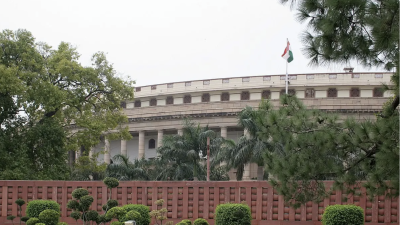
Political representation refers to the way citizens elect officials to represent their interests. It is crucial in a democracy. In India, this system is defined by the Constitution. Various levels of government exist, including local, state, and national. Each level has its own representatives. These officials are accountable to the electorate. Effective representation ensures diverse voices are heard in decision-making processes.
The 131st Constitutional Amendment Bill, proposing 33% reservation for women in Parliament and state assemblies, was rejected in the Lok Sabha. The Bill did not secure the required...
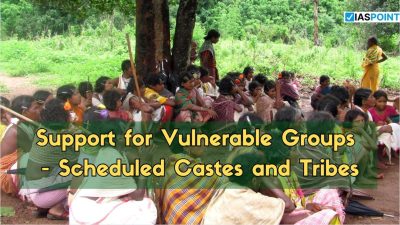
Definition of Scheduled Castes and Scheduled Tribes Scheduled Castes (SCs) are communities in India that have historically faced social discrimination. They are recognised in the Constitution of India...
Historical Context Women in leadership roles in India have a rich historical background. Early leaders such as Rani Lakshmibai and Sarojini Naidu paved the way for women's political...
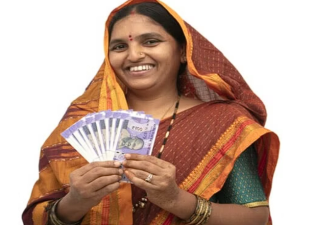
Recent developments in Madhya Pradesh highlight important steps towards women empowerment. Chief Minister Mohan Yadav has initiated financial transfers to various beneficiaries under key schemes. This initiative aims...
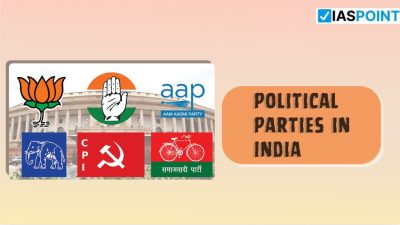
Political parties organise candidates for elections and represent diverse interests. Members typically share similar political ideologies. Political parties in India can be classified into national and state parties....
Parliamentary committees are small groups formed by members of Parliament (MPs) to perform specific functions. They scrutinize legislation, examine policies, conduct inquiries, and oversee the functioning of government...