
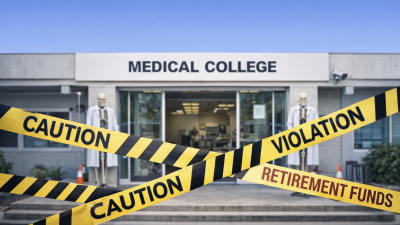
The National Medical Commission (NMC), India’s apex regulatory body for medical education and practice, has come under scrutiny for ongoing violations in medical colleges across the country. Concerns have been raised regarding the enforcement of standards, quality of education, and adherence to prescribed guidelines. These issues have sparked debates on the effectiveness of the NMC in regulating medical education and ensuring the competence of future healthcare professionals.
Role and Mandate of the National Medical Commission
The NMC was established in 2020, replacing the Medical Council of India (MCI), with the objective to improve transparency, reduce corruption, and enhance the quality of medical education. It oversees the accreditation of medical colleges, sets educational standards, and regulates medical practitioners. The commission also conducts the National Exit Test (NEXT), which serves as a licentiate exam for medical graduates.
Nature of Violations in Medical Colleges
Reports indicate that several medical colleges continue to violate NMC regulations. Common issues include inadequate infrastructure, shortage of qualified faculty, and non-compliance with student admission norms. Some institutions have been accused of inflating student intake beyond approved capacity. These lapses compromise the quality of training and may affect the competence of graduating doctors.
Implications for Medical Education and Healthcare
The persistence of violations undermines the credibility of medical education in India. Poorly regulated institutions risk producing undertrained doctors, impacting healthcare delivery. This is especially critical given the growing demand for qualified medical professionals in the country. It also raises concerns about the effectiveness of regulatory oversight and the need for stricter enforcement mechanisms.
Measures and Recommendations for Improvement
To address these challenges, experts suggest strengthening inspection protocols and increasing transparency in the accreditation process. The NMC could enhance monitoring through digital audits and periodic reviews. Encouraging stakeholder participation, including students and faculty, in reporting violations may improve compliance. Additionally, punitive actions against defaulters should be swift and consistent to deter malpractice.
What to Study for UPSC Exams?
- Medical Education Regulatory Framework in India
- Quality Assurance in Higher Education
- Healthcare Workforce Challenges
- Role of Professional Councils in India
- Impact of Regulatory Bodies on Public Health
Medical Education Regulatory Framework in India
India’s medical education is regulated by statutory bodies like the National Medical Commission (NMC), established in 2020 replacing the Medical Council of India (MCI). The framework includes accreditation of medical colleges, setting curricula, and licensing practitioners. The NMC conducts the National Exit Test (NEXT) as a licentiate exam. Regulations cover infrastructure, faculty qualifications, and student admissions. The framework aims to standardize education quality and ensure competent healthcare professionals. Enforcement challenges and periodic inspections are integral parts. Other allied health professions have separate councils under similar regulatory mechanisms.
Quality Assurance in Higher Education
Quality assurance in higher education involves systematic evaluation of institutions, curricula, faculty, and infrastructure to maintain standards. In India, bodies like the National Board of Accreditation (NBA) and National Assessment and Accreditation Council (NAAC) oversee quality. Parameters include teaching-learning processes, research output, student services, and governance. Accreditation status affects funding and recognition. Continuous monitoring, feedback mechanisms, and compliance with regulatory norms form the basis. Quality assurance promotes global competitiveness and employability of graduates.
Healthcare Workforce Challenges
India faces shortages and uneven distribution of healthcare workers, including doctors, nurses, and paramedics. Rural and remote areas suffer from acute deficits. Challenges include inadequate training capacity, brain drain, and skill mismatches. Rapid population growth and disease burden increase demand. Regulatory and infrastructural gaps affect workforce quality. Gender disparities and retention issues persist. Policy measures focus on increasing seats, incentivizing rural service, and skill development.
Role of Professional Councils in India
Professional councils in India regulate education and practice standards across various fields like medicine, nursing, pharmacy, and engineering. Examples include NMC, Dental Council of India, Pharmacy Council, and Bar Council. They set curricula, conduct exams, grant licenses, and enforce ethical codes. Councils ensure uniformity, protect public interest, and maintain professional integrity. They advise government policies and resolve disciplinary matters. Councils are statutory bodies established under respective Acts of Parliament.
Impact of Regulatory Bodies on Public Health
Regulatory bodies influence public health by ensuring quality education and competent healthcare providers. They maintain standards for training, licensing, and practice to safeguard patient safety. Effective regulation reduces medical errors, promotes ethical practice, and enhances service delivery. Conversely, weak oversight may lead to underqualified practitioners and compromised care. Regulatory frameworks also facilitate workforce planning and public trust. They interact with health policies to align education with national health goals.
Last Modified: April 9, 2026